
Abscess Dog Meaning: What Pet Owners Need To Know
Abscess Dog Meaning: What Pet Owners Need To Know
If you have ever noticed a painful lump or swelling on your dog and wondered what it might mean, you are not alone. Many pet owners in Fort Mill and surrounding communities encounter this concern and search for answers about what an abscess is and how it affects their dog's health. Understanding "abscess dog meaning" is essential for recognizing when veterinary care is needed and how you can help your dog recover comfortably. At Greenway Animal Hospital, located at 887 Gold Hill Rd Suite D and E, Fort Mill, SC 29708, our compassionate veterinary team is here to guide you through identifying, treating, and preventing abscesses in dogs. In this blog, we will explain what an abscess is, discuss common causes, outline key symptoms to watch for, review treatment options, and provide guidance on when to schedule an appointment for your dog. We will also share tips on home care and prevention, ensuring you feel confident supporting your dog's well-being every step of the way.
Recognizing an Abscess in Dogs: Signs and Symptoms Every Pet Owner Should Watch For
An abscess is a localized collection of pus that forms in response to infection, trauma, or foreign material trapped under the skin. When searching for "abscess dog meaning," you are likely hoping to understand how to identify this condition in your own pet. Common signs include a sudden swelling or lump that may feel warm, firm, or even soft to the touch. Your dog might show signs of pain when the area is touched or may lick, chew, or scratch at the spot frequently. The skin over an abscess may appear red, swollen, or even have a visible wound or scab. In some cases, you may notice a foul odor or see discharge if the abscess breaks open and drains.
Additional symptoms can include lethargy, loss of appetite, fever, or reluctance to play and move as usual. Some abscesses are easy to spot under the skin, while others may form in the mouth, around the teeth, or even deeper within the body where they are harder to see. If your dog is suddenly acting uncomfortable or you notice any of these warning signs, it is important to reach out to your veterinarian for an evaluation. At Greenway Animal Hospital, our sick visit services can help determine the cause of your dog's symptoms and provide the right treatment plan.
What Causes Abscesses in Dogs?
Understanding abscess dog meaning involves learning what triggers these painful swellings in the first place. The most common cause of an abscess in dogs is a bacterial infection introduced through a break in the skin. This can happen after a bite from another animal, a scratch, a puncture wound, or even a thorn or splinter becoming embedded. When bacteria enter the body, the immune system reacts by sending white blood cells to the area, resulting in pus formation and swelling.
Dental abscesses are also common in dogs, often arising from infected or broken teeth, periodontal disease, or trapped food and debris under the gumline. Sometimes abscesses can develop internally, such as around organs or within muscle tissue, especially if there is a deeper infection or an injury that is not visible from the surface. In rare cases, foreign bodies like grass awns or foxtails can migrate under the skin, causing an ongoing source of infection. Dogs with weakened immune systems or those who roam outdoors frequently may be at increased risk for developing abscesses.
How Abscesses Are Diagnosed and Treated by Your Veterinarian
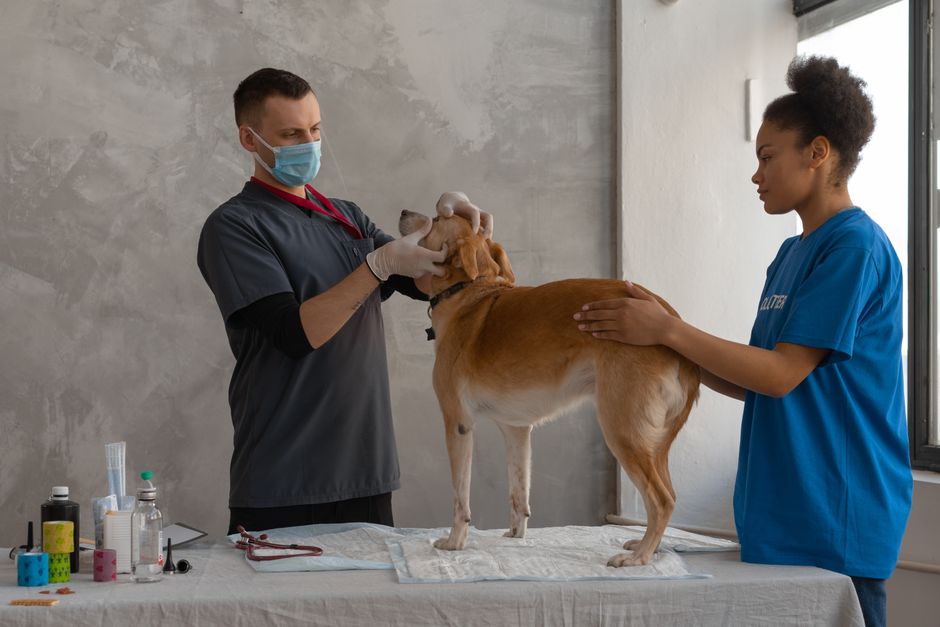
When you bring your dog to Greenway Animal Hospital with a suspected abscess, our veterinary team will begin with a thorough physical examination. We may ask about your dog's recent activities, behaviors, and any injuries you have noticed. For abscesses located under the skin, a hands-on evaluation often reveals the extent of swelling, pain, and whether the abscess has ruptured.
In some cases, diagnostic tests such as in-house laboratory work, digital radiology, or veterinary ultrasound may be recommended, especially if the abscess is deep, large, or not responding to standard care. These tools can help rule out underlying causes and ensure the best possible treatment plan.
Treatment of an abscess typically involves draining the pus, cleaning the infected area, and administering antibiotics to control the infection. In cases of dental abscesses, our veterinary team may recommend pet oral surgery or dental radiographs to evaluate and treat the affected tooth. Pain relief and anti-inflammatory medications are also commonly prescribed to keep your dog comfortable during recovery. Your veterinarian will provide detailed instructions on how to care for your dog's wound at home and schedule follow-up visits to monitor healing.
Home Care and Prevention: Supporting Your Dog’s Health
After professional treatment, caring for your dog at home plays an important role in recovery. Your veterinarian will show you how to gently clean the wound, apply any prescribed topical medications, and administer oral antibiotics as directed. It is crucial to prevent your dog from licking, scratching, or biting at the healing area; sometimes an Elizabethan collar is recommended to protect the site.
Keeping the wound clean and dry, monitoring for signs of redness, swelling, or discharge, and watching for changes in your dog's behavior are important steps during the healing process. If you notice any worsening of symptoms or if your dog seems increasingly uncomfortable, contact your veterinarian promptly.
Preventing abscesses starts with regular grooming, frequent checks for wounds or foreign objects after outdoor activities, and maintaining good dental hygiene. Routine wellness exams and dental care allow your veterinarian to catch potential issues early and address any risk factors before they lead to infection. For dogs with a history of abscesses or those who spend significant time outdoors, additional preventive strategies may be discussed during your visit to Greenway Animal Hospital.
When to Seek Veterinary Care for Your Dog’s Abscess
Knowing when to schedule an appointment with your veterinarian is vital for your dog's health and comfort. You should contact your veterinary team if you notice any swelling, redness, or pain on your dog's body; if your dog develops a fever, becomes lethargic, or refuses to eat; or if there is any foul-smelling discharge, pus, or bleeding from a wound. Do not attempt to drain or treat an abscess at home, as this can worsen the infection and delay healing.
Professional care is especially important if the abscess is near the eyes, mouth, or joints, if it is not improving within a day or two, or if your dog seems to be in significant discomfort. Timely veterinary intervention helps prevent complications, speeds healing, and reduces the risk of the infection spreading to other parts of the body. At Greenway Animal Hospital, we encourage pet owners in Fort Mill and nearby areas to reach out at the first sign of concern. Our experienced veterinarians are committed to providing gentle, effective care in a supportive environment.
Understanding Abscess Dog Meaning and Finding the Right Care in Fort Mill
Abscesses in dogs can be alarming, but with prompt recognition and professional veterinary care, most dogs recover quickly and comfortably. Understanding "abscess dog meaning" empowers you to spot the signs early, seek timely help, and support your dog's healing at home. If you have noticed unusual swelling, pain, or other symptoms in your dog, do not wait—schedule an appointment with our veterinary team at Greenway Animal Hospital. Our sick visit services and advanced diagnostics are available to help assess and treat your dog's condition with compassion and expertise.
For pet owners searching for a "vet near me" in Fort Mill or surrounding communities, Greenway Animal Hospital offers comprehensive care tailored to your dog's unique needs. Contact us today at (803) 239-4477 or visit us at 887 Gold Hill Rd Suite D and E, Fort Mill, SC 29708 to discuss any concerns about abscesses or your dog's health. Our compassionate veterinarians are here to support you and your four-legged family members every step of the way.
This blog is intended for informational purposes only and should not replace professional veterinary care. If you are concerned about your dog’s health, please contact your veterinarian for an individualized assessment and treatment plan.




.svg)


