
Can Dogs Get Cavities? Dental Facts for Fort Mill Pet Owners
Can Dogs Get Cavities? Dental Facts for Fort Mill Pet Owners
If you have ever wondered, “Can dogs get cavities?” you are not alone. Many pet owners in Fort Mill and surrounding communities are concerned about their dog's dental health and want to know how to prevent painful problems before they start. At Greenway Animal Hospital, our team of veterinarians is dedicated to keeping your dog's smile healthy and pain-free. In this blog, we will answer the question about canine cavities, explain the signs of dental issues you should watch for, discuss why dental problems develop in the first place, and share what you can do at home to protect your dog's teeth. We will also cover how our experienced veterinary team supports your pet’s dental health here at our modern facility on 887 Gold Hill Rd Suite D and E, Fort Mill, SC 29708 with comprehensive care, including professional dental cleanings, dental radiographs, and advanced treatment options.
Let’s explore what you need to know to keep your dog’s teeth and gums healthy for years to come.
Recognizing Dental Problems in Dogs: What Pet Owners Should Watch For
Dental disease is one of the most common health issues facing dogs, yet it often goes unnoticed until there is pain or infection. While the question “can dogs get cavities?” is important, it is just one piece of a much larger dental health picture. Cavities, also known as caries, are relatively rare in dogs compared to humans, but other dental issues are quite common.
Key symptoms of dental problems in dogs include persistent bad breath, visible tartar on the teeth, red or bleeding gums, difficulty chewing, pawing at the mouth, and reluctance to eat crunchy foods. Some dogs may also show decreased interest in toys or treats that require chewing. If you notice that your dog is drooling more than usual, dropping food, or seems to be in pain when eating, these are signs that a dental evaluation is needed. Dogs are skilled at hiding discomfort, so subtle changes in behavior or eating habits can be a clue that something is wrong.
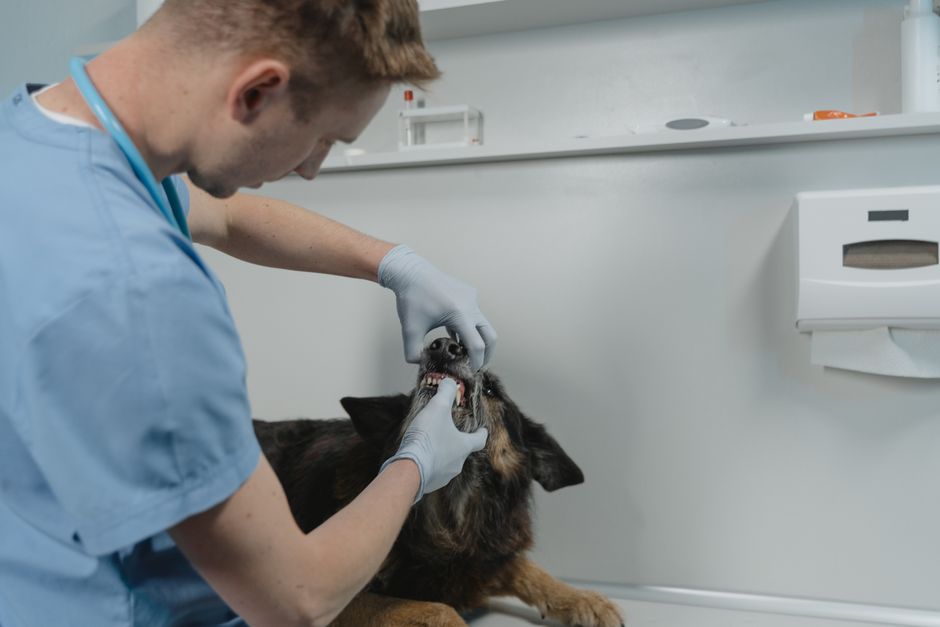
To spot dental issues early, it is helpful to regularly check your dog’s mouth at home. Look for discolored teeth, swollen gums, or any obvious holes in the teeth. While true cavities are uncommon, they can occur, so keep an eye out for brown or black spots on the surface of the teeth, especially the molars. If your dog allows, gently lift their lips to inspect their teeth and gums every few weeks. Remember, any sudden changes in your pet’s appetite, mood, or energy may also be related to oral pain.
Can Dogs Get Cavities? Understanding the Causes and Risk Factors
The answer to “can dogs get cavities?” is yes, but with some important differences from people. Cavities in dogs develop when bacteria in the mouth produce acids that erode the tooth enamel, creating a hole or defect in the tooth structure. However, due to differences in diet, tooth shape, and oral bacteria, cavities are much less common in dogs than in humans. Estimates suggest that fewer than 10 percent of dogs will develop true cavities during their lifetime.
Several factors can increase the risk of cavities in dogs. These include genetics, the shape and alignment of the teeth, and diet—especially if your dog eats a lot of soft, sticky foods that cling to the teeth. Dogs with crowded or crooked teeth are more likely to trap food and bacteria, which can contribute to decay. Underlying health problems, such as diabetes, can also affect oral health. In most cases, dogs are more likely to suffer from periodontal disease, which affects the gums and supporting structures of the teeth, rather than classic cavities.
Dental disease in dogs is a progressive condition, meaning it worsens over time if left untreated. Bacteria can work their way beneath the gum line, causing inflammation, infection, and even bone loss. The best way to prevent dental problems, including cavities, is a combination of good home care and regular professional dental cleanings. Our veterinary team uses advanced diagnostic tools like dental radiographs to detect issues that may not be visible during a routine oral exam.
Treatment Options for Cavities and Other Dental Problems in Dogs
If your veterinarian discovers a cavity or other dental problem during a checkup, several treatment options are available—many of which are similar to those used for people. The approach depends on the severity and location of the problem, as well as your dog’s overall health.
For minor cavities, treatment may involve removing the decayed portion of the tooth and restoring it with a special filling material designed for veterinary use. However, most cases of dental disease in dogs involve more advanced problems, such as fractured teeth, severe decay, or infection beneath the gum line. In these situations, pet tooth extractions or dental surgery may be necessary to relieve pain and prevent further complications.
Every dental procedure at Greenway Animal Hospital includes a thorough examination, pre-anesthetic bloodwork, and the use of dental radiographs to assess tooth roots and bone health. Our veterinary professionals prioritize your dog’s comfort and safety, using gentle techniques, effective pain management, and advanced equipment. After treatment, you will receive detailed instructions for at-home care and follow-up to ensure your dog recovers smoothly.
It is important to remember that untreated dental problems can lead to significant pain, difficulty eating, and even infections that affect other organs. That is why early detection and timely treatment are key to maintaining your dog’s quality of life.
Preventing Dental Disease and Cavities at Home
While not every dental problem can be prevented, there are many steps you can take at home to reduce your dog’s risk of cavities and other oral health issues. The foundation of good dental care is daily or regular tooth brushing with a pet-safe toothpaste. Brushing helps remove plaque before it hardens into tartar, which is much more difficult to remove without professional cleaning. If your dog is new to tooth brushing, start slowly and make it a positive experience with praise and treats.
In addition to brushing, offering dental chews and toys designed to clean teeth can help reduce plaque buildup. Some dogs benefit from special dental diets or treats that promote oral health. Providing fresh water at all times and avoiding sugary or sticky foods also makes a difference.
Even with the best home care, professional dental cleanings under anesthesia are essential for most dogs. These cleanings allow our veterinary team to thoroughly remove tartar above and below the gum line, examine each tooth closely, and address problems before they become serious. During your dog’s dental cleaning appointment, we will also provide guidance on the best at-home care routine for your individual pet.
Regular wellness exams are another key part of prevention. During these visits, we check your dog’s teeth, gums, and overall health, catching any issues early. By working together, you and our veterinary team can help your dog enjoy fresh breath, strong teeth, and a healthy smile for a lifetime.
When Should You Schedule a Dental Exam for Your Dog?
Knowing when to visit the veterinarian can make all the difference for your dog’s dental health. You should schedule an appointment if you notice symptoms such as bad breath, red or swollen gums, visible tartar, loose or broken teeth, or any signs of pain when eating. Dogs with changes in appetite, drooling, or bleeding from the mouth should also be evaluated right away. Even if your dog is not showing obvious signs, annual dental checkups are recommended for all adult dogs, and some breeds may benefit from more frequent exams.
If you ever find yourself searching for a “vet near me” because you are concerned about your dog’s dental health, Greenway Animal Hospital is here to help. Our team of veterinarians provides compassionate and thorough care, answering your questions and guiding you through every step of the process. We also offer telemedicine consultations for certain concerns, making it easy to get advice and decide if an in-person visit is needed.
Prompt attention to dental problems can prevent pain, infection, and more costly treatments down the line. Remember, maintaining your dog’s dental health is an important part of their overall well-being and happiness.
Protect Your Dog’s Smile with Greenway Animal Hospital in Fort Mill
Caring for your dog’s teeth is one of the most important ways you can support their long-term health. While the answer to “can dogs get cavities?” is yes, cavities are rare compared to other dental issues like periodontal disease. Still, regular dental care—both at home and with your veterinarian—is the best way to prevent discomfort and protect your dog’s smile. Our veterinary team at Greenway Animal Hospital is committed to providing personalized, gentle dental care for every pet, whether you need routine cleaning, advanced treatment, or guidance on home care.
If you are ready to schedule a dental exam or have questions about your dog’s oral health, call our team at (803) 239-4477 or visit us at 887 Gold Hill Rd Suite D and E, Fort Mill, SC 29708. You can also explore our services for professional dental cleanings, pet tooth extractions, and dental surgery to learn more about how we help protect your pet’s health at every stage of life.
When searching for a veterinarian near me in Fort Mill and the surrounding area, trust our experienced team to care for your dog’s dental needs with compassion and expertise. We look forward to helping your pet enjoy a happier, healthier smile for years to come.
This blog is intended for informational purposes only and does not replace professional veterinary care. Always consult your veterinarian for specific advice and diagnosis regarding your pet’s health.




.svg)


