
Do Dogs Have Baby Teeth? What Puppy Owners Should Know
Do Dogs Have Baby Teeth? What Puppy Owners Should Know
Welcoming a new puppy into your home is an exciting time filled with firsts—first cuddles, first wags, and, of course, the first signs of teething. Many pet owners are surprised to discover that, just like humans, dogs do have baby teeth. Understanding your puppy’s dental development is an important part of ensuring their long-term health and comfort. At Greenway Animal Hospital in Fort Mill, SC, our veterinary team is dedicated to helping local families nurture healthy, happy puppies right from the start. In this guide, we’ll answer the common question “do dogs have baby teeth,” cover the stages of puppy teething, share tips for dental care at home, and explain when to seek professional help. Whether you’re a first-time puppy owner or simply want the best for your growing dog, you’ll find everything you need to support your pup’s healthy smile.
Spotting Teething Signs: How to Recognize When Your Puppy Has Baby Teeth
If you’re wondering, “do dogs have baby teeth,” the answer is yes—puppies, like children, are born with a set of temporary teeth that eventually fall out as their adult teeth emerge. Most puppies start developing their baby teeth, also called deciduous teeth, at about three weeks of age. By six weeks, your puppy may have a full mouth of tiny, sharp teeth.
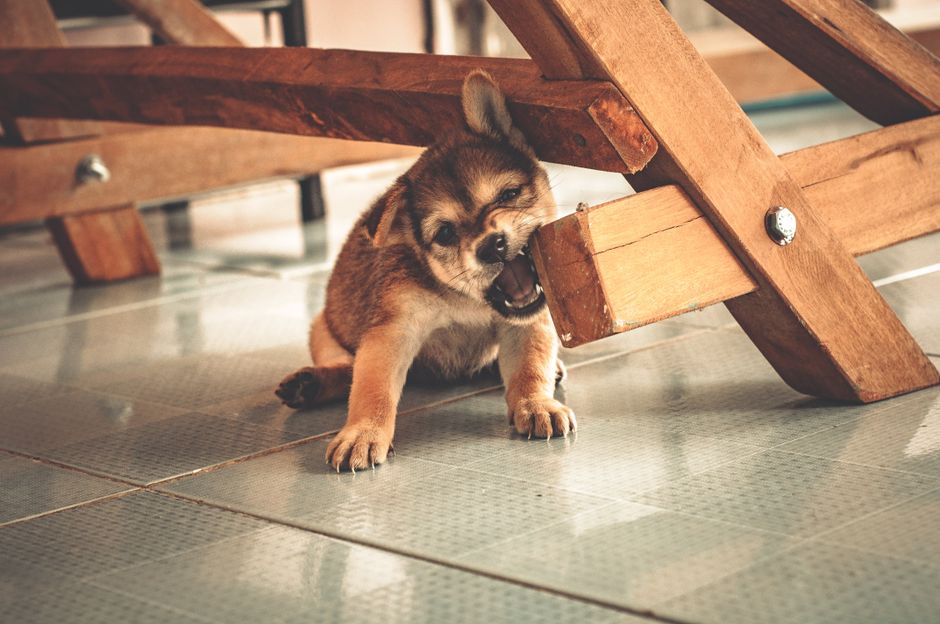
As your puppy’s teeth begin to come in, you might notice some changes in their behavior. Common signs of teething include increased chewing on toys, household objects, or even your fingers. Puppies may drool more than usual, seem slightly irritable, or have mild swelling in their gums. Occasionally, you might spot small blood spots on chew toys or see a missing tooth altogether—both are normal parts of the process.
Teething puppies also tend to mouth or nip more frequently. This is their way of relieving discomfort as new teeth push through the gums. If your puppy seems to be chewing everything in sight, it’s a good indicator that their baby teeth are coming in or being replaced.
Puppy Dental Development: Why Do Dogs Have Baby Teeth?
Puppies are born without teeth, but their baby teeth erupt quickly to help them begin eating solid food. In total, puppies develop 28 baby teeth, which are much sharper and smaller than the 42 permanent adult teeth that will eventually replace them.
The process begins when your puppy is about three weeks old. Deciduous incisors, canines, and premolars emerge in stages, allowing the puppy to begin chewing and exploring new foods. By around six months of age, most puppies start losing their baby teeth as adult teeth come in. The roots of the baby teeth are reabsorbed by the body, and the crown falls out—often unnoticed by owners.
This natural progression is important for proper mouth development. Baby teeth guide the growth of adult teeth and help shape the jaw. If baby teeth do not fall out on their own, they can lead to overcrowding, misalignment, or other dental problems later in life. Our veterinary team at Greenway Animal Hospital closely monitors dental development during puppy wellness visits and is always available to answer your questions about what to expect as your puppy grows.
Managing Teething and Dental Discomfort in Puppies
Teething is a normal part of puppyhood, but it can be uncomfortable for your young dog. Providing safe, appropriate chew toys is one of the best ways to soothe sore gums and support healthy dental habits. Look for toys designed specifically for puppies, as these are gentle enough for sensitive mouths but durable enough to withstand sharp baby teeth.
Cold washcloths, frozen rubber toys, or specialty puppy teething rings can also offer relief. Rotate toys often to keep your puppy interested and prevent destructive chewing on furniture, shoes, or other off-limits items. Providing a consistent routine and lots of positive reinforcement for chewing the right things will help guide your puppy through this stage.
In some cases, puppies may experience a slight decrease in appetite or mild gum bleeding during teething. These symptoms are usually temporary. However, if your puppy is refusing to eat, losing weight, or seems excessively uncomfortable, it’s important to contact a veterinarian for guidance.
Keeping Puppy Teeth Healthy: At-Home Dental Care Tips
Establishing good dental habits early on can set your puppy up for a lifetime of healthy teeth and gums. Start by gently handling your puppy’s mouth and teeth from a young age. Use your finger or a soft toothbrush to get your puppy accustomed to having their teeth touched. Once your puppy is comfortable, you can introduce a pet-safe toothpaste and begin brushing a few times per week.
Encourage chewing on dental toys or treats that are designed to reduce plaque and tartar buildup. Avoid giving your puppy hard objects like bones, antlers, or hooves, as these can break delicate baby teeth. Instead, choose products recommended by your veterinarian.
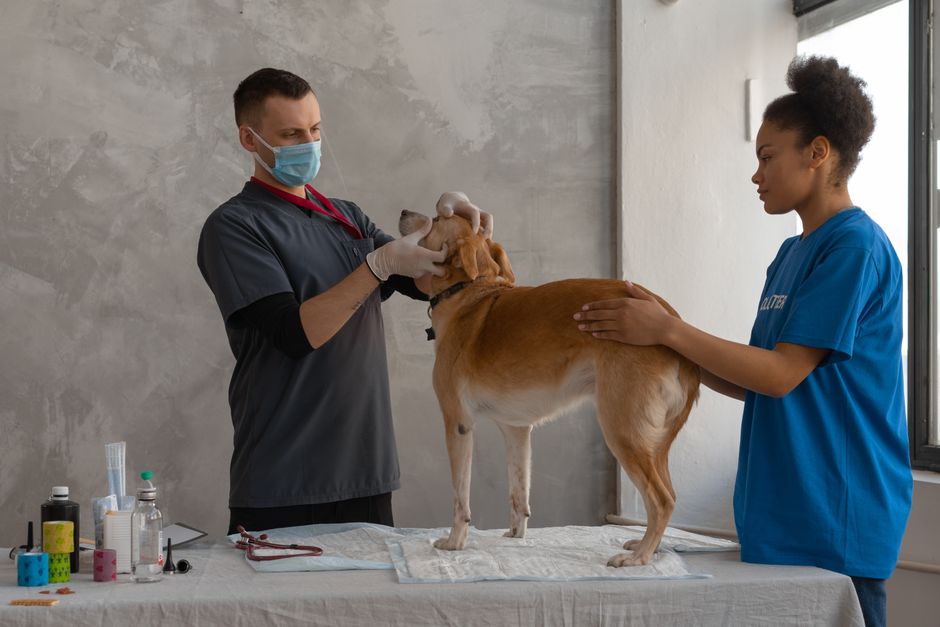
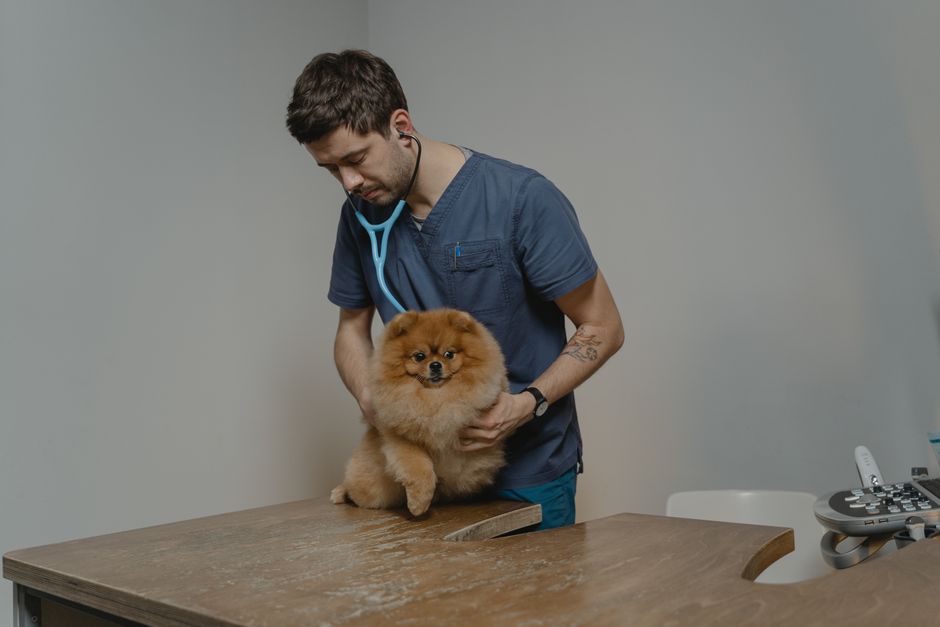
Regular check-ups with your veterinary team are essential. During puppy wellness exams, we will examine your puppy’s mouth to look for retained baby teeth, misalignment, or early signs of dental disease. These visits are a great opportunity to discuss professional dental services, such as pet dental cleanings and dental radiographs, which are important for maintaining oral health as your puppy matures.
When to Seek Veterinary Care for Puppy Teeth
Most puppies lose their baby teeth naturally, but there are times when professional help is needed. If you notice that adult teeth are coming in while baby teeth remain firmly in place, your puppy may have a retained deciduous tooth. This situation can lead to overcrowding, abnormal bite, or even infection if not addressed promptly.
Other warning signs to watch for include persistent bad breath, significant swelling or bleeding in the gums, reluctance to eat or chew, or obvious pain when your puppy is using their mouth. If you find broken, loose, or abnormally positioned teeth, it’s important to schedule an appointment with your veterinarian.
Some puppies require dental procedures to remove retained or problematic baby teeth. Our team at Greenway Animal Hospital is experienced in pet tooth extractions and can provide thorough evaluations with dental radiography when needed. Prompt intervention ensures your puppy’s mouth develops properly and helps prevent long-term dental issues.
Setting the Stage for Lifelong Dental Health
As your puppy grows, they transition from baby teeth to a full set of adult teeth—usually by seven months of age. This is the perfect time to reinforce healthy habits, such as daily tooth brushing and routine veterinary dental check-ups. Consistent care at home, paired with professional support from your veterinary team, helps keep your dog’s mouth pain-free and healthy.
Our veterinarians can guide you in selecting the best dental products, answer questions about teething, and address any concerns about your puppy’s oral health. Early attention to dental care not only prevents problems like tartar and gum disease but also contributes to your dog’s overall wellbeing and comfort.
Your Puppy’s Smile Starts Here: Contact Greenway Animal Hospital in Fort Mill, SC
Every puppy deserves a healthy start, and understanding the answer to “do dogs have baby teeth” is a key part of supporting your growing companion. If you have questions about your puppy’s teething process, need advice on dental care, or want to schedule a dental check-up, our veterinary team at Greenway Animal Hospital is here to help.
We welcome pet owners from Fort Mill and surrounding communities who want the very best for their dogs. To schedule an appointment or discuss concerns about your puppy’s teeth, call us at (803) 239-4477 or visit our conveniently located 887 Gold Hill Rd Suite D and E, Fort Mill, SC 29708. If you’re searching for a veterinarian near me who understands the unique needs of puppies, our compassionate team is ready to support your family. Let us help your puppy grow into a happy, healthy adult—starting with a bright, strong smile.
For more information on maintaining your dog’s oral health as they grow, explore our comprehensive pet dental cleaning services or talk to us about dental radiographs and tooth extractions if needed. Your partner in lifelong pet health, Greenway Animal Hospital is here for every stage of your dog’s journey.



.svg)


