
Dog Park Safety: Protecting Your Pet in Hot Humid Fort Mill
Dog Park Safety: Protecting Your Pet in Hot Humid Fort Mill
Summer in Fort Mill brings long, sunny days that many pet owners love to spend outdoors—especially at local dog parks. While watching your dog play, run, and socialize is a highlight of the season, the hot and humid August weather in South Carolina can pose serious risks to your pet’s health. At Greenway Animal Hospital, located at 887 Gold Hill Rd Suite D and E, Fort Mill, SC 29708, our veterinary team frequently sees pets affected by heat-related issues after outdoor adventures. This blog will help you recognize the signs of overheating, understand why dogs are particularly susceptible in our climate, and offer practical steps to keep your dog safe at the park this summer. We will also outline when it is time to call your veterinarian, ensuring your pet’s well-being is always the top priority.
Recognizing Heat-Related Problems in Your Dog at the Park
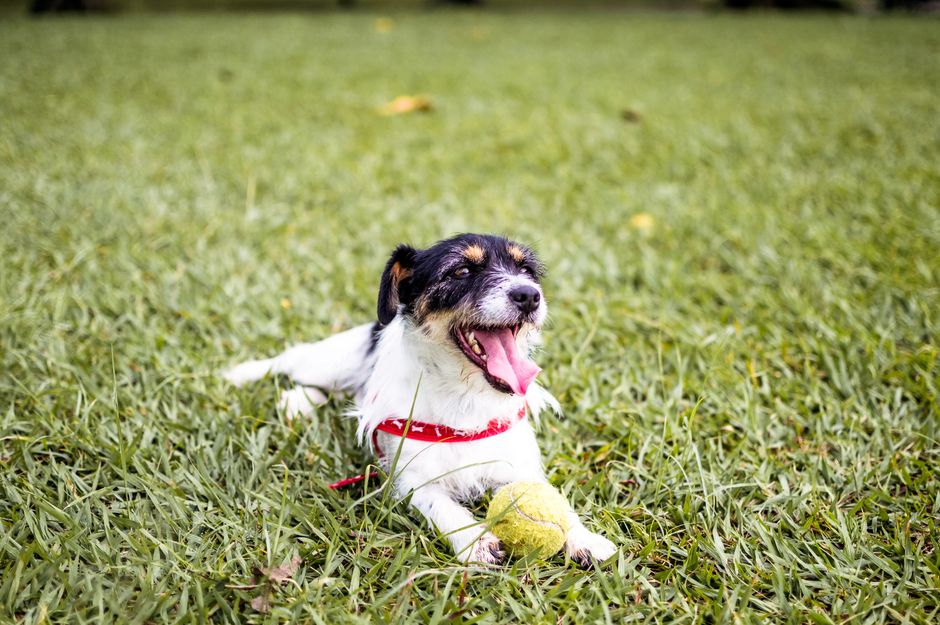
Dogs can develop heat exhaustion or heatstroke quickly in Fort Mill’s hot, humid environment, especially during August when temperatures and humidity levels climb. It is vital for pet owners to recognize early warning signs before a fun outing becomes an emergency. Symptoms of overheating in dogs include excessive panting that does not subside with rest, drooling that is thicker or heavier than usual, and a bright red or pale tongue and gums. Other warning signs are lethargy, weakness, confusion, vomiting, diarrhea, and collapse. In severe cases, dogs may experience seizures or lose consciousness. If your dog is showing any of these signs while at the park, immediate action is necessary to prevent life-threatening complications.
Why Heat and Humidity Are So Dangerous for Dogs
Understanding why dogs struggle with heat, especially in humid climates like Fort Mill, can help you make safer choices for your pet during outdoor play. Unlike humans, dogs cannot sweat from most of their body; instead, they rely on panting to cool down. High humidity interferes with this process, making it harder for dogs to release heat effectively. Factors such as dark or thick coats, flat-faced breeds like Bulldogs and Pugs, overweight pets, and older dogs all increase the risk of overheating. In addition, dogs often do not realize when they need to stop, especially when they are excited or distracted by other dogs at the park. The combination of hot pavement, minimal shade, and intense physical activity can raise your dog’s body temperature rapidly, putting them at risk for heat exhaustion or heatstroke.
What to Do If Your Dog Overheats: Immediate Steps and Professional Care
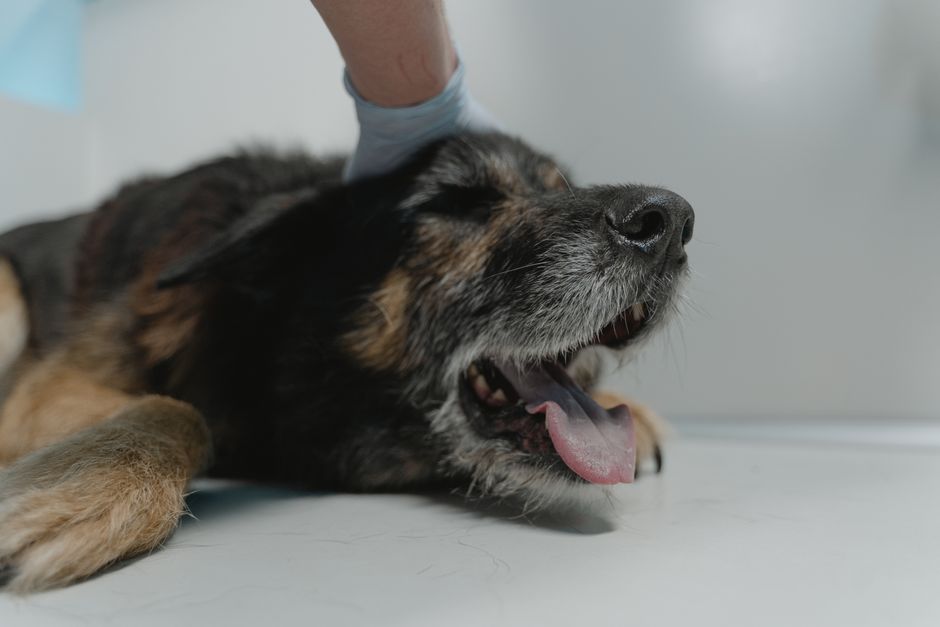
If you suspect your dog is overheating at the park, act quickly. Move your pet to a shaded, cool area and offer small amounts of cool water; do not force them to drink large quantities at once. You can use a damp, cool (not cold) cloth to gently wet your dog’s paws, chest, and belly, which may help with cooling. Avoid using ice or very cold water, as rapid cooling can cause further complications. Even after initial care, it is crucial to contact your veterinarian as soon as possible, since heatstroke can cause organ damage that is not immediately visible. Our veterinary team at Greenway Animal Hospital can provide a thorough assessment, supportive care, and monitoring for complications. If your dog is showing serious symptoms such as collapse, seizures, or unresponsiveness, call us right away for a sick visit evaluation. Timely professional intervention is essential for the best possible outcome.
Preventing Heat-Related Illness: Smart Dog Park Strategies
Prevention is always better than treatment, especially when it comes to heat-related health issues. The best way to protect your dog is to plan park visits during the cooler parts of the day, such as early morning or late evening. Always bring fresh water and a portable bowl, offering frequent breaks for hydration. Pay close attention to your dog’s energy level, and encourage rest in shaded areas to help them cool down between bursts of play. For breeds that are particularly sensitive to heat, consider skipping the park on especially humid or hot days and opting for indoor play instead. Keeping your dog up to date with regular wellness examinations is also important; these visits allow our veterinarians to assess your pet’s risk factors and provide tailored advice for their age, breed, and health status.
When to Seek Veterinary Care for Heat-Related Concerns
Knowing when to seek help can save your dog’s life. If your dog is panting excessively, seems confused or unsteady, vomits, has diarrhea, or collapses, do not wait—contact Greenway Animal Hospital immediately. Even if your dog seems to recover after cooling down, complications can develop hours later. Our veterinary team is here to provide prompt assessment and care. If you are ever in doubt about your dog’s symptoms after time at the park, it is always better to err on the side of caution and schedule a visit. We also recommend keeping our phone number saved in your contacts so you can reach us quickly in case of an emergency: (803) 239-4477.
Keeping Your Dog Safe All Summer Long
Enjoying the dog park is one of the joys of summer, but Fort Mill’s hot and humid weather requires extra vigilance from pet owners. By watching for signs of heat stress, understanding your dog’s individual risk factors, and taking proactive steps to prevent overheating, you can help your pet stay safe and happy all season. If you have any concerns about your dog’s ability to tolerate summer activities, or if you want personalized advice for your pet’s breed, age, or health needs, our veterinary professionals at Greenway Animal Hospital are here to help. Whether you need a wellness examination, guidance on heat safety, or a prompt sick visit evaluation, we are dedicated to supporting the health of your pet in Fort Mill and surrounding communities.
If you are searching for a "vet near me" who understands the unique challenges of keeping pets healthy in the Carolinas, look no further than Greenway Animal Hospital. To schedule an appointment or ask a question, call us at (803) 239-4477 or visit us at 887 Gold Hill Rd Suite D and E, Fort Mill, SC 29708. Let us partner with you to keep your dog healthy, comfortable, and ready for all the fun that summer brings.
This blog is intended for informational purposes only and does not replace professional veterinary care. If you are concerned about your pet’s health, contact your veterinarian immediately.


.svg)


