
How to Identify Digestive Issues in Dogs and Cats
How to Identify Digestive Issues in Dogs and Cats
If your dog or cat has ever had an upset stomach, you know how stressful it can be for both of you. Concerns like vomiting, diarrhea, appetite changes, or unusual bathroom habits can leave any pet parent worried about what’s going on inside their furry friend. At Greenway Animal Hospital, we understand how important it is to catch digestive issues early, and our compassionate team in Fort Mill, SC is dedicated to keeping your pets healthy and happy through every stage of life. We offer comprehensive veterinary services, including advanced diagnostics and personalized care plans, so you never have to face pet digestive problems alone.
In this guide, you’ll learn how to recognize the early signs of digestive issues in dogs and cats, understand why they happen, explore treatment and prevention strategies, and know when it’s time to seek help from a veterinarian near me. We’ll also explain how pet diagnostic laboratory services in Fort Mill can provide answers and relief for your pet’s tummy troubles. Our goal is to give you the knowledge and resources you need to support your pet’s wellbeing—because at Greenway Animal Hospital, every pet is family.
Recognizing the Signs of Digestive Problems in Dogs and Cats
Digestive issues can show up in many ways, and sometimes the symptoms are subtle at first. Key signs that your pet may be having digestive trouble include vomiting, diarrhea, constipation, and changes in appetite. You might also notice your dog or cat straining to go to the bathroom, having accidents in the house, or showing signs of discomfort such as whining or hiding. Other symptoms can include bloating, excessive gas, drooling, and even weight loss over time. Dogs may eat grass or lick their lips frequently, while cats might suddenly refuse their favorite foods or stop grooming themselves as much.
It’s important to remember that not all digestive symptoms are obvious right away. For example, a normally playful dog who seems unusually tired, or a cat that spends more time alone, may be showing subtle signs of an upset stomach. Persistent gurgling sounds from the belly, a change in stool consistency, or repeated attempts to vomit without producing anything are all red flags that deserve attention. If you notice any combination of these symptoms, especially if they persist for more than a day or worsen quickly, it’s time to consider a wellness examination or a sick visit with your veterinarian.
What Causes Digestive Issues in Pets?
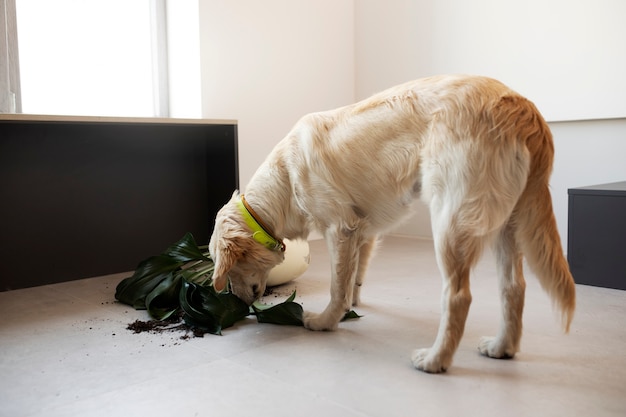
Understanding why digestive problems start can help you prevent them in the future. Common causes of dog vomiting and diarrhea, as well as similar issues in cats, range from eating something inappropriate to more serious underlying health conditions. Dietary indiscretion is one of the most frequent culprits—dogs are notorious for sampling trash, table scraps, or outdoor debris, while cats may nibble on plants or unfamiliar foods. Sudden changes in diet, new treats, or spoiled food can also upset the digestive system.
Beyond food-related causes, infections from bacteria, viruses, or parasites are a leading reason for gastrointestinal symptoms. Stress, especially during changes in the household or routine, can trigger tummy trouble in both dogs and cats. Some pets have sensitivities or allergies that lead to chronic digestive problems, while others may develop more serious conditions such as inflammatory bowel disease, pancreatitis, or organ dysfunction as they age.
Certain breeds are more prone to specific issues, and local factors—like the warm, humid climate in Fort Mill, SC—can increase the risk of parasites or food spoilage, especially in summer months. Toxins, medications, and even hairballs (especially in long-haired cats) are additional sources of digestive trouble. With so many possible causes, it’s important to consult your veterinary team for a thorough diagnosis.
How We Diagnose and Treat Digestive Problems in Fort Mill
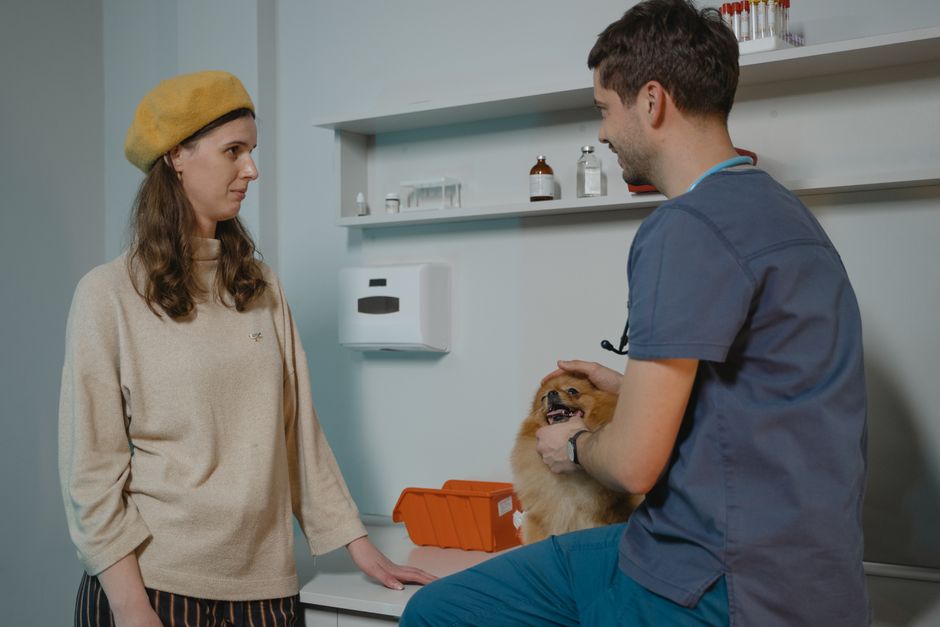
Once you’ve noticed symptoms, a visit to Greenway Animal Hospital for pet diagnostic laboratory services in Fort Mill is the next step toward relief. Our veterinary professionals start by asking about your pet’s history, recent diet changes, and any exposure to toxins or stress. During the physical examination, we’ll check for signs of dehydration, abdominal pain, or obstructions that could explain the symptoms.
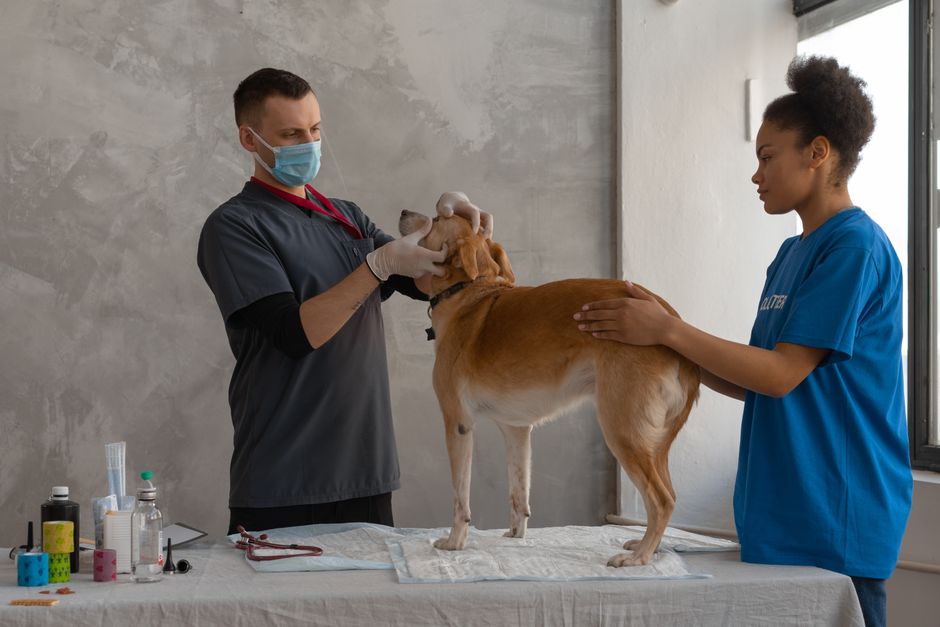
When more information is needed, our in-house diagnostic laboratory allows us to quickly run bloodwork, urinalysis, fecal exams, and imaging such as digital radiographs or ultrasounds. These tests help us identify infections, inflammatory conditions, organ issues, and parasites. For example, a fecal exam can reveal intestinal worms, while blood tests might point to pancreatitis or liver problems.
Treatment options depend on the underlying cause, but our approach always focuses on comfort, safety, and long-term wellness. For mild cases, supportive care at home may be enough—this could involve a bland diet, hydration, and close monitoring. In more serious cases, treatments might include prescription medications, fluids for dehydration, or hospitalization if your pet is very ill. If an obstruction, tumor, or chronic disease is found, our surgical and medical expertise ensures your pet receives the tailored care they need.
Our veterinary team will guide you through every step, explaining test results and treatment plans in clear language so you always feel informed and empowered. We believe that early intervention, made possible by comprehensive pet diagnostics near me, gives pets in Fort Mill, SC the best chance for a full and speedy recovery.
What You Can Do at Home to Prevent and Manage Digestive Upsets
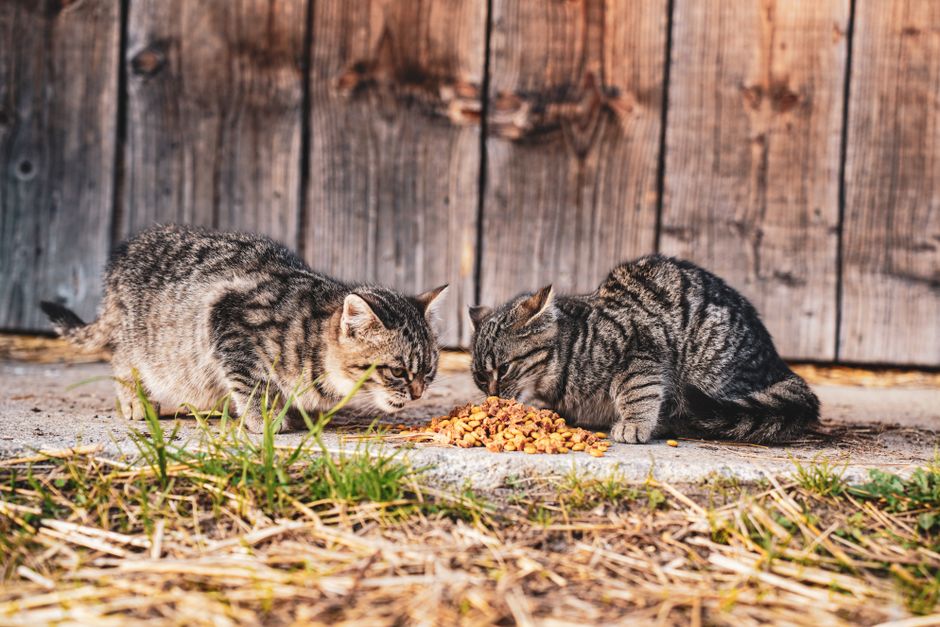
While some digestive issues are unavoidable, many can be prevented with proactive care. Feeding your pet a high-quality, balanced diet and avoiding sudden food changes are key steps. Always store food properly, especially in the warm, humid seasons that are common in Fort Mill, SC, to reduce the risk of spoilage or contamination. Keep household plants, chemicals, and medications out of reach, and never give your pet table scraps or unfamiliar treats.
Regular wellness exams with your veterinarian help catch early signs of trouble before symptoms worsen. Parasite prevention, tailored to our region’s risks, plays a major role in avoiding infections that lead to digestive distress. For pets with known sensitivities, your veterinary team can recommend specific diets or supplements to support a healthy gut. If your pet has a sensitive stomach, avoid stressful changes in routine whenever possible, and introduce new foods gradually.
At home, watch for changes in eating habits, stool appearance, or energy levels, and keep a record of any concerning patterns. If your dog or cat does develop mild symptoms, withholding food for a short period (for dogs, never for very young or tiny breeds) and offering small amounts of bland food can sometimes help; however, always check with your veterinarian before trying home remedies, especially for cats. Prompt attention to early signs helps prevent minor upsets from turning into serious pet digestive problems in Fort Mill.
When to Seek Veterinary Care for Digestive Issues
Knowing when to call your veterinary team can make all the difference for your pet’s health. Immediate attention is needed if your pet experiences repeated vomiting or diarrhea lasting more than 24 hours, blood in the stool or vomit, severe lethargy, pain, bloating, or signs of dehydration such as dry gums and sunken eyes. Young puppies and kittens, seniors, and pets with chronic health conditions are especially vulnerable and should be seen at the first sign of trouble.
If you’re unsure whether symptoms warrant a visit, remember that it’s always better to err on the side of caution. Your veterinarian can help determine if your pet needs urgent care, diagnostic testing, or simple at-home management. At Greenway Animal Hospital, we encourage you to schedule an appointment or reach out for advice whenever you notice unusual behavior. Our sick visit services are designed to address concerns like vomiting, diarrhea, and appetite loss quickly and compassionately.
For ongoing or severe pet digestive problems in Fort Mill, our veterinary professionals are equipped to provide advanced care and support. Never hesitate to seek help if you feel something isn’t right; early diagnosis and treatment can save lives.
Compassionate Support for Pet Digestive Problems in Fort Mill
Digestive issues can be distressing, but you don’t have to face them alone. By recognizing early warning signs, understanding potential causes, and seeking timely care, you can help your pet return to their happy, healthy self. Greenway Animal Hospital is committed to providing quality veterinary services near me, with a focus on personalized care and ongoing support for your entire family. We encourage all pet parents to schedule a wellness examination or reach out for pet diagnostics near me whenever concerns arise.
If your pet is showing signs of vomiting, diarrhea, or digestive discomfort, don’t wait for symptoms to worsen. Call our caring team at (803) 239-4477 or visit us at 887 Gold Hill Rd Suite D and E, Fort Mill, SC 29708 to schedule an appointment. Your pet’s comfort and wellbeing are always our top priority, and we’re proud to be the trusted vet near me for families in Fort Mill and surrounding communities. For additional information or resources, you can also visit reputable sources like the American Veterinary Medical Association or Cornell University College of Veterinary Medicine.
Remember, early intervention and regular checkups are the best way to keep your pet’s digestive system healthy for years to come. We’re here for you every step of the way.


.svg)


