
How To Keep Your Cat Calm During Summer Storms
How To Keep Your Cat Calm During Summer Storms
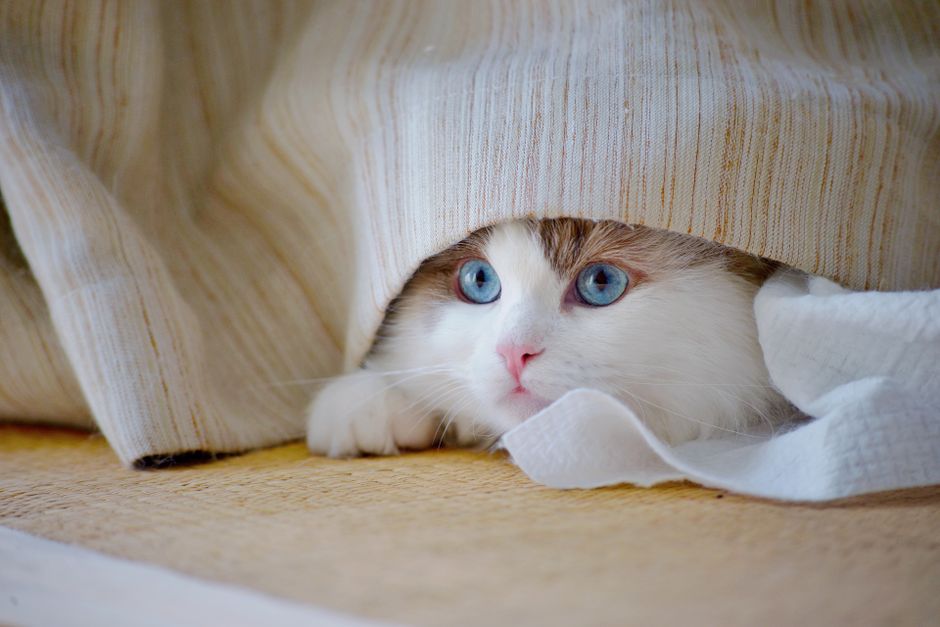
Summer in Fort Mill can bring beautiful evenings, but it also brings plenty of thunderstorms—often loud, unpredictable, and unsettling, especially for our feline companions. If you have ever found your cat hiding under the bed or pacing anxiously as thunder rumbles outside, you are not alone. Many cat owners in Fort Mill and surrounding communities struggle to help their cats cope with summer storms. At Greenway Animal Hospital, our team of veterinarians understands how distressing this can be for both you and your cat. That is why we have created this comprehensive guide to help you recognize the signs of storm anxiety, understand why it happens, and learn what you can do to keep your cat comfortable when the weather gets rough.
In this post, we will explore how to spot storm-related stress in your cat, discuss what causes these anxious behaviors, and offer practical, vet-recommended strategies for calming your cat during thunderstorm season. You will also find guidance on when it is time to seek professional help, including how our behavior consultations can support cats with severe anxiety. Whether your cat hides at the first sign of rain or seems unfazed until the thunder cracks, you will discover actionable steps to make summer storms a little less frightening for your feline friend.
Recognizing Storm Anxiety in Cats
Cats may be masters at masking their emotions, but storm anxiety often brings out obvious—and sometimes subtle—signs that something is wrong. Recognizing these cues is the first step in helping your cat feel safe when thunder, lightning, and heavy rain roll in.
Key symptoms of storm anxiety in cats include hiding in closets, under beds, or in other secluded areas of your home, as well as pacing, vocalizing, or meowing more than usual. Some cats may tremble, pant, or drool, while others might refuse food or seem jumpy at every sound. You might also notice changes in litter box habits, such as urinating outside the box during storms. In some cases, cats may become overly clingy, seeking reassurance from you, or display aggressive behaviors like hissing or swatting if approached while anxious.
Knowing your cat’s normal behavior helps you spot these changes quickly. If you notice your cat consistently retreating or showing heightened anxiety during summer storms, it is likely they are experiencing weather-related stress.
Why Do Cats Get Anxious During Thunderstorms?
Understanding why your cat reacts so strongly to storms can make it easier to empathize with their fear and address it effectively. Cats are highly sensitive creatures, with acute hearing and a strong instinct to seek safety in the face of perceived threats.
The loud noises, flashes of lightning, shifts in barometric pressure, and even the electrical changes that accompany thunderstorms can be overwhelming for a cat’s finely tuned senses. Some cats may have negative associations with storms due to past experiences, such as getting caught outside during heavy rain or experiencing a frightening event indoors during a previous storm.
Genetics and personality also play a role; some cats are naturally more anxious or reactive to change. In multi-cat households, one cat’s anxiety can sometimes influence others, creating a tense household dynamic whenever storm clouds gather. Ultimately, storm anxiety is rooted in your cat’s instinctual drive to seek safety and avoid danger, which can make even a mild thunderstorm feel like a major event.
Professional Support and Treatment Options for Storm Anxiety
Not every cat will need professional intervention for storm anxiety, but for some, the fear is so intense that home strategies alone are not enough. At Greenway Animal Hospital, our veterinary team offers a range of solutions tailored to your cat’s unique needs, ensuring their comfort and wellbeing remain a top priority.
When you schedule an appointment at our Fort Mill location, we start with a thorough evaluation to rule out underlying medical conditions that could be contributing to your cat’s anxiety. For cats with persistent or severe storm phobia, behavior modification plans are often the most effective solution. These plans involve gradual desensitization to the sounds and sensations of storms, paired with positive reinforcement to build confidence.
In certain cases, our veterinarians may recommend prescription anti-anxiety medications or pheromone therapy to help ease your cat’s distress during storm season. Pheromone diffusers, which mimic natural calming signals, can create a soothing environment for your cat. We may also suggest dietary supplements or over-the-counter products designed to reduce stress, though these should always be discussed with your veterinarian before use.
For families seeking additional guidance, our behavior consultations provide expert support for managing anxiety and developing practical techniques that fit your household. Telemedicine appointments are also available for follow-up support, especially when you need advice between in-person visits.
Home Strategies for Calming Your Cat During Thunderstorms
While professional care is invaluable for severe cases, many cats benefit from simple, thoughtful changes to their home environment during stormy weather. Creating a safe, quiet space for your cat to retreat to can make a big difference. This might be a cozy bed in a quiet room, a covered cat condo, or even a cardboard box lined with familiar bedding. Cats often feel safer in enclosed, elevated areas, so consider placing their safe space on a sturdy shelf or in a closet away from windows.
Running white noise machines, playing calming music, or using a fan can help mask the sound of distant thunder. Closing windows and curtains not only dulls the noise but also blocks flashes of lightning that can startle your cat. If your cat tends to seek comfort from you, staying nearby and offering gentle reassurance can help, but avoid forcing interactions if your cat prefers solitude.
For cats who become extremely anxious, pheromone diffusers or sprays can provide additional support. Offering treats, interactive toys, or puzzle feeders during storms can help distract your cat and create positive associations with stormy weather. The key is to remain calm yourself; cats often pick up on human stress, so a relaxed, steady presence will help your cat feel safer.
When to Seek Veterinary Care for Storm Anxiety
It is important to recognize when your cat’s storm anxiety requires more than just home care. If your cat’s fear is so severe that they are injuring themselves, refusing to eat or drink, or displaying destructive behaviors, it is time to reach out for professional help. Cats who experience ongoing anxiety that disrupts daily life, or who develop medical issues such as urinary problems or gastrointestinal upset during storms, should also be evaluated by a veterinarian.
If you are unsure whether your cat’s behavior is normal or cause for concern, trust your instincts and contact our veterinary team. Our behavior consultations are designed to help cat owners address anxiety in a supportive, compassionate setting. Remember, early intervention can prevent anxiety from escalating and improve your cat’s overall quality of life.
Supporting Your Cat Through Every Storm
Thunderstorm season in Fort Mill does not have to be a time of stress for you and your cat. By learning to recognize the signs of storm anxiety, understanding what triggers your cat’s fear, and taking proactive steps at home, you can make summer storms far more manageable. Our team of veterinarians at Greenway Animal Hospital is here to support you every step of the way, offering personalized care and expert guidance tailored to your cat’s unique needs.
If you are searching for a veterinarian near me who understands feline anxiety and delivers compassionate, comprehensive care, look no further than Greenway Animal Hospital. Schedule an appointment at our conveniently located 887 Gold Hill Rd Suite D and E, Fort Mill, SC 29708 or call us at (803) 239-4477 to discuss your cat’s needs and learn more about how our behavior consultations can help. Your cat deserves to feel safe and secure, no matter what the weather brings—and together, we can make every season a little less stormy.
If you have immediate concerns about your cat’s health or wellbeing, please contact our veterinary team promptly for guidance. This blog is intended for informational purposes only and should not replace professional veterinary advice or care for specific medical conditions.



.svg)


