
How to Prevent and Treat Seasonal Allergies in Fort Mill Pets

How to Prevent and Treat Seasonal Allergies in Fort Mill Pets
As February settles into Fort Mill and the surrounding communities, many pet owners notice their dogs or cats scratching more than usual or sneezing unexpectedly. If your furry family member seems uncomfortable, you are not alone—seasonal allergies are a common challenge for pets in our region, especially during the winter months when environmental allergens shift both indoors and out. At Greenway Animal Hospital, located at 887 Gold Hill Rd Suite D and E, Fort Mill, SC 29708, our team of compassionate veterinarians is dedicated to helping you recognize, manage, and prevent allergy symptoms so your pet can enjoy every season in comfort. In this guide, we will explore the signs of seasonal allergies in pets, the underlying causes, available treatments, and proactive strategies to keep allergies at bay. You will also discover how our comprehensive services—from wellness exams to diagnostics and telemedicine—can support your pet’s health all year long.
Recognizing the Signs: How to Tell if Your Pet Has Seasonal Allergies
Many pet owners wonder whether their pet’s scratching or sneezing is just a passing irritation or the sign of a deeper issue. Seasonal allergies can present in a variety of ways, some subtle and others more pronounced. In dogs and cats, key symptoms include persistent itching, licking at the paws, rubbing the face, or shaking the head. You may also notice hair loss in certain areas, redness of the skin, or the development of hot spots. Additionally, some pets experience watery eyes, sneezing, or even mild coughing—signs that often get mistaken for other illnesses. For certain pets, allergies may also trigger behavioral changes such as restlessness, irritability, or disrupted sleep, which can indicate discomfort or frustration.
If your pet shows any of these signs, it’s important to pay attention to when symptoms occur. Seasonal allergies often worsen during specific times of year, such as late winter and early spring, when pollen counts start to rise or indoor allergens accumulate due to closed windows and increased heating. While occasional scratching or sneezing is normal, persistent or worsening symptoms should not be ignored, as they can quickly lead to skin infections or secondary problems.
Understanding Why Seasonal Allergies Happen in Fort Mill Pets
Seasonal allergies, also known as atopic dermatitis or atopy, occur when a pet’s immune system overreacts to environmental substances that are otherwise harmless. In Fort Mill, common allergens include tree and grass pollens, mold spores, dust mites, and even certain types of indoor debris that become more concentrated in winter. Pets are often exposed to these allergens through their skin, nose, or mouth. Unlike humans, who tend to develop respiratory symptoms, dogs and cats primarily show allergic reactions through their skin.
The local climate in Fort Mill and nearby areas can exacerbate these issues. Mild winters can encourage plants to release pollen earlier, while increased humidity may boost mold growth indoors. Additionally, spending more time inside during colder months means pets are exposed to indoor allergens for longer periods. Some breeds are genetically more susceptible to allergies, including retrievers, terriers, and brachycephalic (short-nosed) cats and dogs. However, any pet can develop seasonal allergies at any stage of life.
Professional Allergy Treatment and Management Options
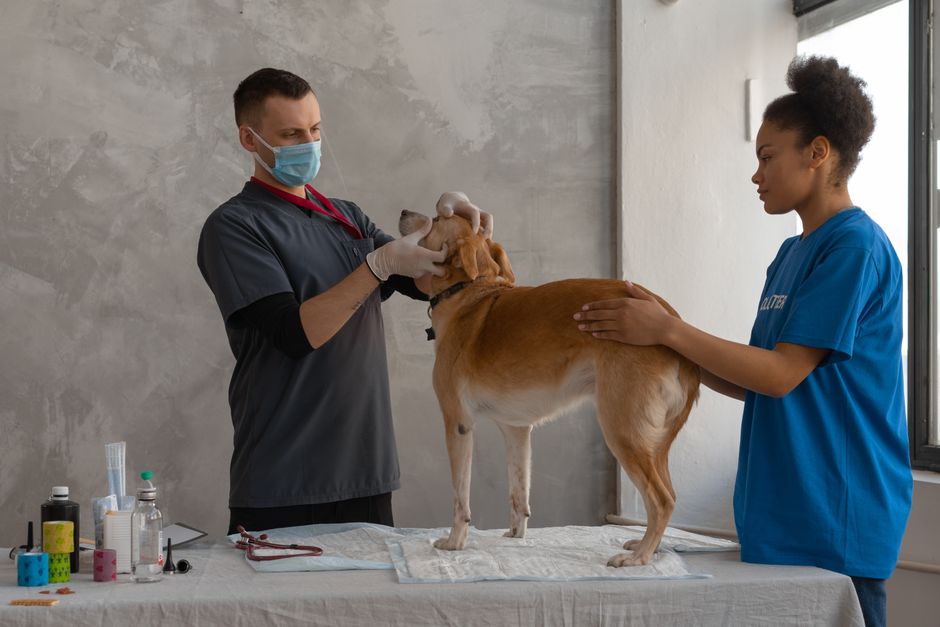
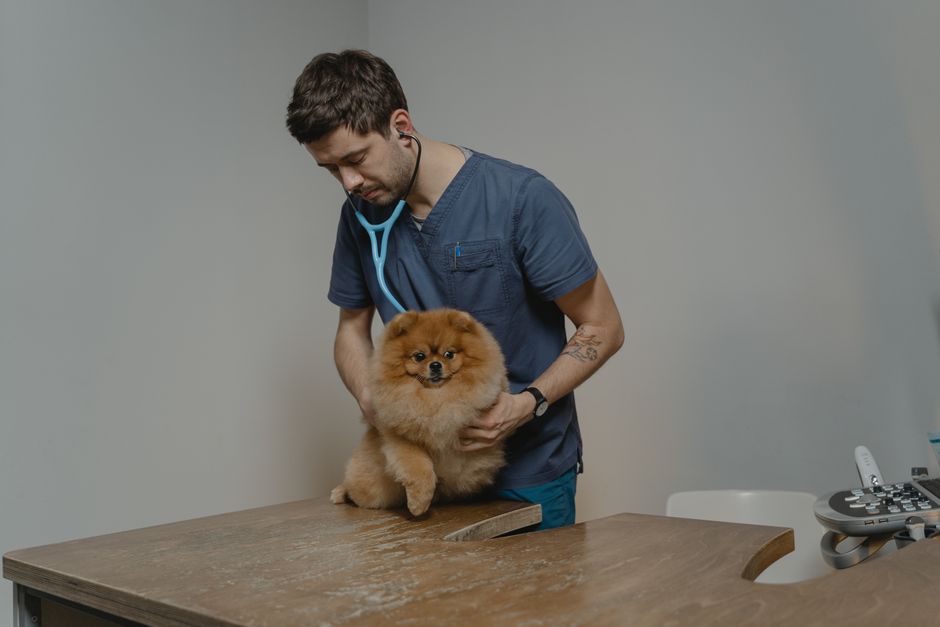
When allergy symptoms persist or interfere with your pet’s quality of life, partnering with a veterinary team is essential for effective relief. At Greenway Animal Hospital, our approach to allergy care begins with a thorough history and physical examination. During your pet’s visit, our veterinarians may recommend diagnostic tests to identify the specific triggers and rule out other conditions such as parasites or infections. Our in-house diagnostic laboratory allows for rapid analysis of skin scrapings, blood work, and other samples so we can tailor a treatment plan to your pet’s needs.
Treatment options for seasonal allergies involve several approaches. Medicated shampoos and topical therapies can help soothe inflamed skin and remove allergens from the coat. In some cases, oral or injectable medications such as antihistamines, steroids, or newer biologics may be prescribed to control itching and inflammation. For pets with recurring or severe symptoms, our veterinarians may discuss allergy testing and the potential for immunotherapy, which gradually desensitizes your pet’s immune system to the offending allergens.
We also recognize that allergies can affect your pet’s behavior and wellbeing. If you notice changes in activity or mood, our behavior consultations offer an additional layer of support, helping to address anxiety or other concerns that may arise alongside allergy symptoms. For pets who have difficulty coming to the clinic, we offer house calls and telemedicine consultations to ensure every family in Fort Mill and surrounding communities can access the care they need.
Preventing Allergies and Supporting Your Pet at Home
While some level of exposure to environmental allergens is inevitable, there are practical steps you can take to minimize your pet’s discomfort. Regular bathing with a veterinarian-approved shampoo can help wash away pollen and dust, especially after outdoor walks. Wiping your dog’s paws and coat with a damp cloth before coming inside reduces the amount of allergen they bring into the home. Frequent washing of pet bedding, vacuuming with a HEPA filter, and using air purifiers can all contribute to a cleaner indoor environment.
Additionally, maintaining your pet's overall health with a consistent wellness routine is key. Up-to-date vaccinations and parasite prevention help reduce the risk of secondary infections that can complicate allergies. Scheduling a wellness examination each year allows our veterinarians to detect early signs of allergies and recommend preventive care strategies tailored to your pet’s specific risk factors. For pets with known allergies, dietary adjustments or supplements may provide extra support, although these changes should always be made in consultation with your veterinary team.
If you suspect your pet is developing allergies, early intervention is the best way to prevent symptoms from escalating. Our telemedicine services provide convenient access to veterinary advice when you need quick answers or follow-up care without leaving your home.
Knowing When to Seek Veterinary Care for Pet Allergies
While mild symptoms can sometimes be managed at home, there are clear situations where a visit to Greenway Animal Hospital is necessary. If your pet’s itching is severe, causing broken skin, bleeding, or infection, prompt veterinary attention is needed to prevent complications. Other warning signs include sudden hair loss, swelling of the face or paws, difficulty breathing, or signs of pain. These symptoms may indicate a more serious reaction or underlying illness that requires immediate care.
Persistent sneezing, coughing, or discharge from the eyes or nose should also be evaluated by our veterinarians, as these can be signs of respiratory involvement or secondary infections. If your pet’s behavior changes significantly, such as loss of appetite, lethargy, or increased aggression, this may be a sign that their discomfort is affecting their overall wellbeing.
During your visit, our veterinary professionals will gather a detailed history, perform a comprehensive examination, and recommend appropriate diagnostics and treatments. We encourage you to reach out at the first sign of concern rather than wait for symptoms to worsen. Scheduling a sick visit is the best way to ensure your pet receives timely relief and avoids more serious health issues.
Take Action for Your Pet’s Comfort: Schedule an Appointment in Fort Mill
Allergies do not have to diminish your pet’s quality of life, even during challenging seasons. By recognizing the early signs, understanding the local causes, and working closely with a dedicated veterinary team, you can help your pet stay healthy and comfortable all year long. At Greenway Animal Hospital, we are proud to serve Fort Mill and the surrounding communities with advanced diagnostic tools, compassionate care, and a family-oriented approach that puts your pet’s wellbeing first.
If you are searching for a veterinarian near me who understands the unique challenges of seasonal allergies in our region, our team at 887 Gold Hill Rd Suite D and E, Fort Mill, SC 29708 is here to help. Schedule an appointment today by calling (803) 239-4477, and let us provide the personalized solutions your pet deserves. For ongoing support, explore our telemedicine services or ask about preventive care programs during your next visit. Together, we can keep your pet happy, healthy, and allergy-free no matter the season.
This article is intended for informational purposes and should not replace professional veterinary advice. If you are concerned about your pet’s health, please contact your veterinarian directly.



.svg)


