
Preparing Your Pet for a Healthy Fall in Fort Mill
Preparing Your Pet for a Healthy Fall in Fort Mill
As September arrives and the weather in Fort Mill, SC begins to shift, many pet owners find themselves asking how to best support their dog or cat through the seasonal transition. Fall in our region often brings lingering heat, increased rainfall, and a host of environmental changes that can affect your pet’s health and daily routine. At Greenway Animal Hospital, our team understands just how important it is to keep your four-legged family members happy and healthy as the seasons change. In this blog, we’ll guide you through essential tips for preparing your pet for autumn in Fort Mill, including how to adjust routines, recognize seasonal health risks, and when to schedule a wellness examination at our modern, full-service veterinary hospital. Whether you’re new to the area or a lifelong resident, our veterinarians are here to help you and your pet make the most of the beautiful fall months ahead.
Recognizing Fall Health Concerns in Dogs and Cats
The transition from summer to fall in the Carolinas can bring both relief and new challenges for pets. While cooler mornings may motivate your dog to linger outdoors or your cat to seek sunbeams by the window, the seasonal shift also introduces risks that are easy to overlook. Common signs that your pet may be struggling with seasonal changes include sneezing or coughing, increased scratching or licking, changes in appetite, or lethargy. You may also notice muddy paws after walks due to the fall rain, or see your pet tracking in more allergens and debris from outside.
Another concern in early fall is the resurgence of fleas and ticks, which thrive in the warm, damp conditions typical of Fort Mill’s autumn. Pets with seasonal allergies might display symptoms such as red, itchy skin or excessive grooming. If your pet seems restless at night, is shaking their head, or develops a new cough, these could signal issues exacerbated by the changing climate, such as respiratory irritation or ear infections. Observing your pet’s behavior closely during this time can help you catch issues early and seek care when needed.
Why Fall Brings New Challenges for Pets in Fort Mill
Understanding why fall in Fort Mill poses unique risks for pets can empower you to take proactive steps. The region’s September weather is often characterized by warm afternoons and frequent rain showers, creating ideal conditions for parasites like fleas, ticks, and mosquitoes. These pests can transmit diseases and cause significant discomfort for your pet if left unchecked. Additionally, falling leaves and standing water offer breeding grounds for molds and bacteria, which can trigger allergies or gastrointestinal upset in curious pets who sniff or taste things they shouldn’t.
Daylight hours begin to dwindle, which can disrupt your pet’s exercise schedule and influence their mood or energy levels. Some pets may become less active, while others might be more anxious due to changing household routines, especially as children return to school or family members adjust their work schedules. If your pet spends more time outdoors during the cooler weather, they may be exposed to mushrooms, acorns, and other hazards that are more common in the fall. Being aware of these seasonal factors helps you create a safer, healthier environment for your pet.
Professional Veterinary Care: What to Expect in the Fall
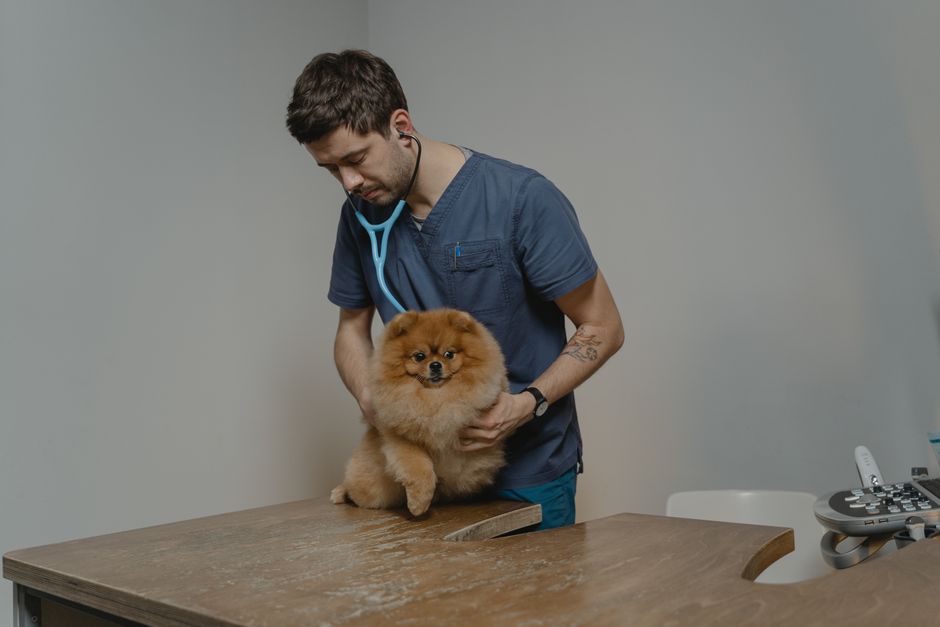
Scheduling a comprehensive wellness examination is one of the best ways to support your pet’s health as fall arrives. At Greenway Animal Hospital, our veterinarians take the time to discuss your pet’s lifestyle, review their vaccination status, and assess their overall well-being with a focus on seasonal risks particular to Fort Mill and surrounding communities. During a fall checkup, we often recommend updating parasite prevention, reviewing your pet’s diet and weight, and screening for early signs of allergies or chronic conditions that can flare with seasonal changes.
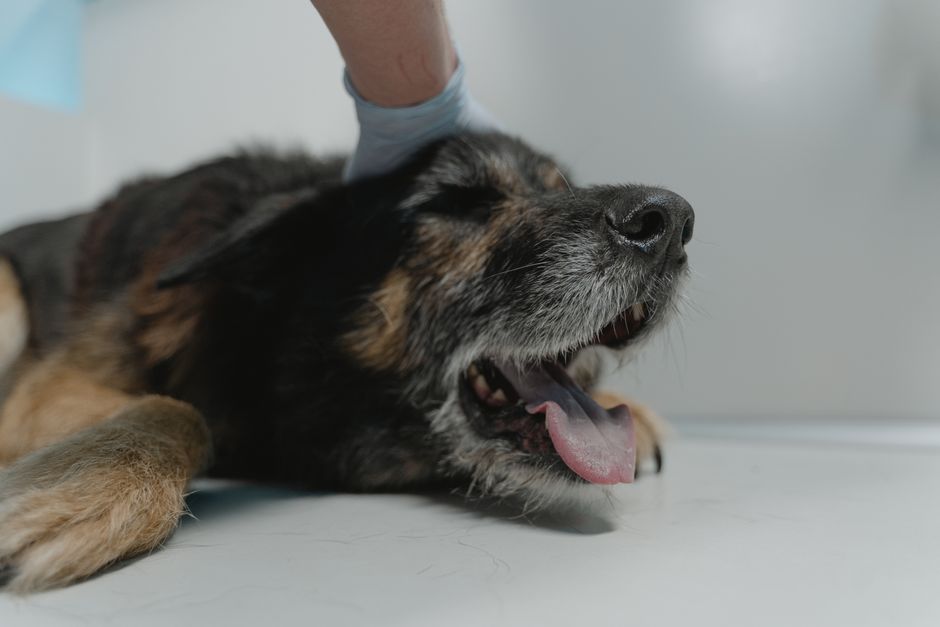
If your pet is showing concerning symptoms, such as persistent coughing, frequent scratching, or digestive upset, our team is equipped with in-house diagnostics to quickly evaluate their condition. We can also advise on specific fall hazards, such as toxic plants or mushrooms common to local parks and yards, and recommend tailored preventive measures. Should your pet require treatment for a seasonal illness or infection, our veterinary team will guide you through the process, from diagnostics to medication and follow-up care, ensuring your pet receives the highest standard of attention.
Preventing Fall Illnesses: Home Care Tips for Pet Owners
Taking a proactive approach at home can go a long way in protecting your pet during the fall. Consistent parasite prevention is crucial; continue your chosen flea, tick, and heartworm medications as recommended by your veterinarian, since pests remain active well into the autumn months in Fort Mill. After outdoor walks, check your dog or cat for ticks and promptly clean muddy paws to prevent skin irritation. Wiping your pet’s coat with a damp cloth can help remove pollen and other allergens, reducing the risk of skin flare-ups or respiratory symptoms.
With more rain and decaying foliage, supervise your pet to prevent them from ingesting mushrooms, acorns, or other potentially harmful items. If your pet has a history of allergies, consider washing bedding more frequently and using air purifiers indoors to minimize exposure to airborne triggers. Adjust your pet’s exercise routine to take advantage of cooler mornings or evenings, and monitor for signs of stiffness or joint discomfort, which can sometimes emerge as temperatures drop. Always provide fresh water, as hydration remains important even in cooler weather. Introducing these simple changes can keep your pet comfortable and healthy throughout the season.
When to Seek Veterinary Care for Fall Health Concerns
While many seasonal challenges can be managed at home, certain signs warrant prompt veterinary attention. Seek a professional evaluation if your pet is experiencing persistent sneezing, coughing, or difficulty breathing, as these may indicate respiratory infections or allergies requiring treatment. Signs of skin infection, such as red, oozing, or foul-smelling areas, should not be ignored. If your pet develops sudden lethargy, vomiting, diarrhea, or loss of appetite, schedule a sick visit appointment as these symptoms can worsen quickly.
Pets who have ingested unknown mushrooms or plants, or who exhibit severe itching, swelling, or hives, may need urgent assessment to rule out poisoning or allergic reactions. Ear infections, which often flare up in the fall, are signaled by head shaking, ear scratching, or unusual odor. If you notice any of these issues, reaching out to our veterinary team at Greenway Animal Hospital ensures your pet receives timely care. Remember, early intervention can often prevent minor issues from becoming more serious health concerns.
Supporting Your Pet’s Well-Being All Season Long
Preparing your dog or cat for a healthy fall in Fort Mill means staying alert to seasonal changes and partnering with a veterinary team you trust. At Greenway Animal Hospital, we are dedicated to supporting pet owners through every stage of their companion’s life—from routine wellness examinations to urgent sick visits and preventive guidance. Our modern hospital in 887 Gold Hill Rd Suite D and E, Fort Mill, SC 29708 offers extended appointment times, personalized attention, and a compassionate approach that puts your pet’s comfort first.
If you have questions about your pet’s health this fall or want to schedule a seasonal checkup, please call us at (803) 239-4477. For those searching for a veterinarian near me in the Fort Mill area, Greenway Animal Hospital is here to provide the highest quality of care for your beloved companion. Let us help you and your pet enjoy a safe, vibrant, and healthy autumn together.


.svg)


