
Rethinking Picky Eaters: Helping Your Cat or Dog Eat Better
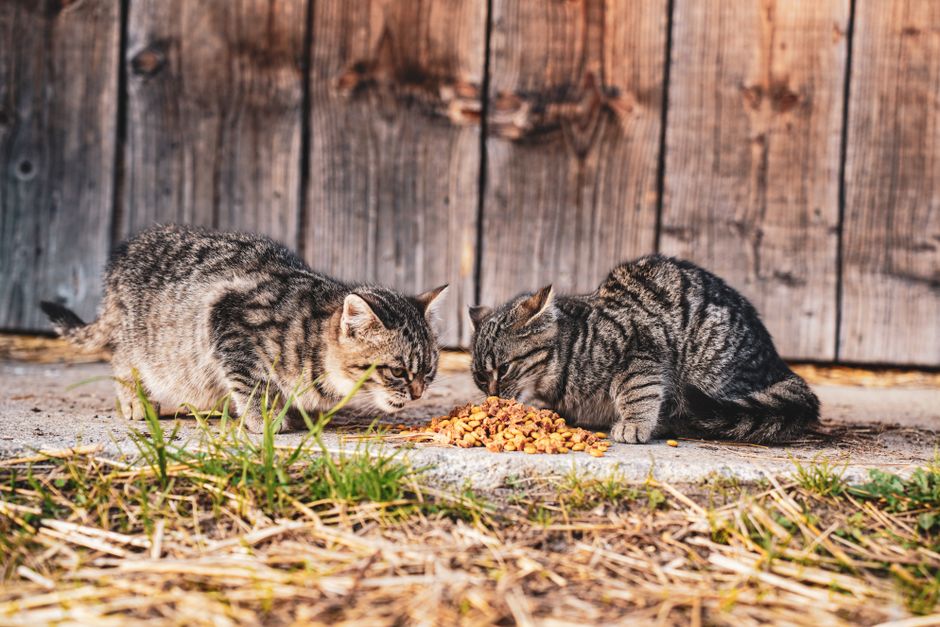
Rethinking Picky Eaters: Helping Your Cat or Dog Eat Better
Is your cat or dog suddenly turning up their nose at food, refusing favorite meals, or eating less than usual? You are not alone; many pet owners in Fort Mill and surrounding communities have experienced the frustration and worry that comes with a picky eater. At Greenway Animal Hospital, we understand how concerning it can be to see your beloved companion lose interest in eating. As a modern, full-service veterinary hospital located at 887 Gold Hill Rd Suite D and E, Fort Mill, SC 29708, our team is committed to helping you get to the bottom of picky eating, so your dog or cat can return to enjoying healthy, happy mealtimes. In this blog, we will explore how to recognize true picky eating, the underlying causes, practical management strategies, and when it is time to schedule a veterinary visit. Let’s make September the month your four-legged friend rediscovers their appetite and mealtime becomes a joy again.
Recognizing When Your Cat or Dog Is a Picky Eater
Many pet owners wonder whether their cat or dog is truly a picky eater or if something more serious is at play. True picky eating often presents as selective interest in certain foods, hesitation before eating, or reluctance to eat new flavors. Some pets may eat treats or table scraps but avoid their regular food, while others may show excitement for meals on some days but not others. It is important to watch for patterns such as skipping meals, sniffing and walking away, or pushing food around the bowl.
However, a sudden or prolonged change in appetite can signal an underlying health issue rather than simple fussiness. Warning signs to consider include weight loss, vomiting, diarrhea, drooling, difficulty chewing, or changes in drinking habits. Cats, in particular, are prone to hiding illness, so a decrease in appetite should always be taken seriously. If your dog or cat is leaving food uneaten for more than a day or two, or if appetite changes are accompanied by other symptoms, it is time to take a closer look.
For a thorough evaluation of your pet’s overall health and appetite, a wellness examination with our veterinary team can help pinpoint any concerns early. Recognizing the difference between a picky eater and a pet experiencing illness is the first step toward the right solution.
Understanding Why Cats and Dogs Become Picky Eaters
There are a number of reasons why your dog or cat may become finicky at mealtime. Some are behavioral, some are medical, and others are related to their environment or feeding routine.
Medical causes often top the list when a pet’s eating habits change. Dental disease, for example, can make chewing painful, especially in older pets or those with tartar buildup, loose teeth, or inflamed gums. Other health issues such as gastrointestinal discomfort, kidney disease, infections, or medication side effects can also reduce a pet’s appetite.
Behavioral factors are common in both cats and dogs. Stress from changes in the household, the introduction of a new pet, or even moving the food bowl to a new location can disrupt eating habits. Some pets may develop food aversions if they associate a negative experience, such as nausea, with a particular food. Offering too many treats or frequent changes in diet can also encourage pickiness, as your pet may hold out for tastier options.
Environmental factors play a role, too. Cats, for example, are sensitive to the freshness and texture of their food; stale or spoiled food, noisy feeding areas, or dirty bowls can all contribute to mealtime reluctance. Dogs may become distracted by household activity or feel nervous if another pet is nearby during feeding.
If you are unsure whether a change in appetite is behavioral or medical, our in-house diagnostic laboratory can help identify or rule out underlying physical health problems. Understanding the root cause is essential for effective management.
Practical Strategies to Help Your Picky Eater
Once you have determined that your pet’s pickiness is not due to illness, there are several effective strategies to encourage better eating habits. Start by establishing a consistent feeding routine; serve meals at the same times each day and avoid leaving food out for extended periods. Offering measured portions and removing uneaten food after 15 to 20 minutes can help reinforce regular eating patterns.
For pets who have developed a preference for treats or table food, gradually reduce these extras and focus on nutritionally complete meals. Try warming your pet’s food slightly to enhance aroma, or add a small amount of warm water or low-sodium broth to make dry kibble more appealing. Rotating between different protein sources or food textures within the same brand can sometimes reignite interest, but avoid frequent, drastic changes, which may upset your pet’s stomach.
For cats, be attentive to bowl cleanliness and placement. Ensure bowls are washed daily, kept away from litter boxes, and placed in quiet, low-traffic areas. Some cats prefer wide, shallow dishes to avoid whisker fatigue. For dogs, mealtime can be made more engaging by using puzzle feeders or feeding toys that encourage natural foraging behavior.
If stress or anxiety is affecting your pet’s appetite, consider a behavior consultation with our veterinary professionals. Strategies may include environmental enrichment, desensitization to triggers, or calming pheromone products in the feeding area.
The Link Between Dental Health and Appetite
Oral discomfort is a frequently overlooked cause of picky eating in cats and dogs. Dental disease can make every bite painful, leading pets to avoid food entirely or eat only soft foods. Signs of dental trouble include bad breath, drooling, dropping food, pawing at the mouth, or favoring one side when chewing.
Our veterinary team at Greenway Animal Hospital offers comprehensive dental cleaning services to address tartar, plaque, and early gum disease, as well as pet tooth extractions for more advanced dental problems. Keeping your pet’s mouth healthy is an important part of maintaining their appetite and overall wellbeing.
How to Prevent Picky Eating at Home
Prevention is often the best medicine when it comes to picky eating. Start by feeding a high-quality, balanced diet that is appropriate for your pet’s age and health status. Establishing regular meal times, avoiding excessive treats, and sticking to one type or brand of food can help reinforce healthy habits.
Creating a calm, predictable environment around mealtime can reduce stress for both cats and dogs. For multi-pet households, consider feeding pets separately to prevent competition or anxiety. Always keep food and water bowls clean, and store food in airtight containers to maintain freshness.
Introducing new foods gradually over several days can prevent digestive upset and increase acceptance. If you need to switch diets for any reason, mix a small amount of the new food with the old, increasing the proportion slowly.
Monitoring your pet’s weight and body condition regularly can help you spot changes early. If you notice a decrease in appetite, address it promptly rather than waiting for the problem to resolve on its own.
When to Schedule a Veterinary Visit for Appetite Changes
While occasional pickiness is normal for many cats and dogs, a sudden or persistent decline in appetite requires prompt attention. If your pet refuses food for more than 24 hours, shows signs of illness such as vomiting, diarrhea, lethargy, or weight loss, it is time to consult your veterinarian. Cats, especially, are at risk for liver problems if they stop eating for even a short period.
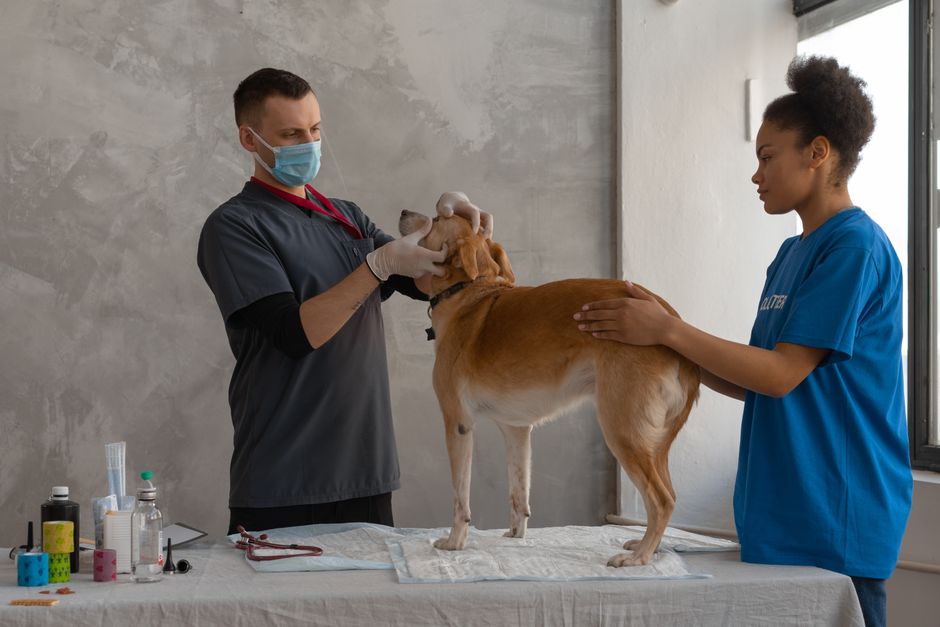
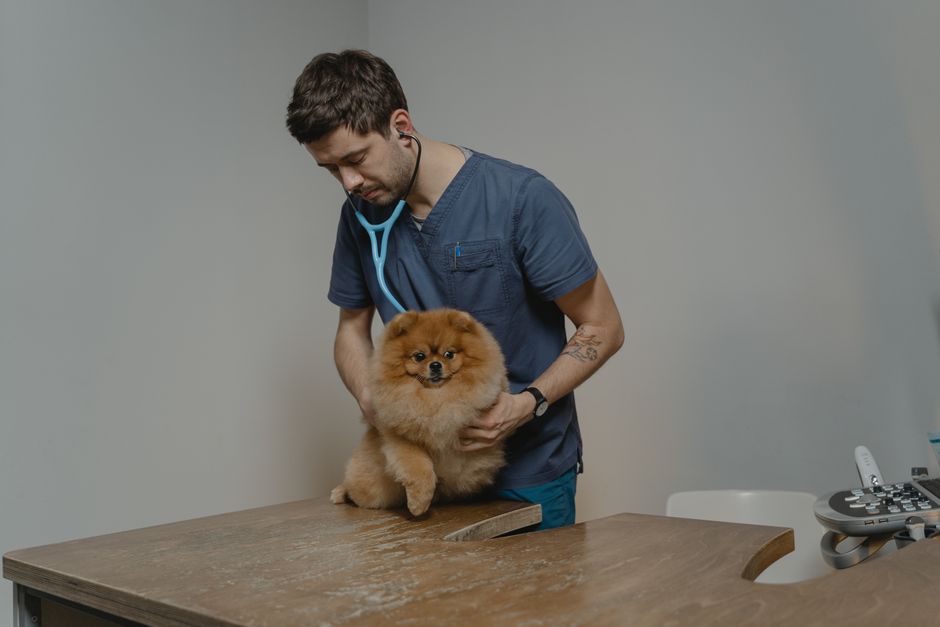
Our team at Greenway Animal Hospital is here to help with sick visits for pets experiencing appetite changes or other health concerns. During your visit, we will conduct a thorough examination, discuss your pet’s history, and may recommend diagnostic tests to rule out medical issues. Early intervention can prevent minor problems from becoming serious health concerns.
If your pet has dental disease, our pet dental cleaning services and pet tooth extractions are available to address oral pain that may be affecting appetite. For pets with behavioral or stress-related eating issues, a behavior consultation can provide tailored strategies to help your companion enjoy mealtime again.
Supporting Your Cat or Dog’s Health and Happiness at Mealtime
Helping your picky eater become a happy, healthy companion at mealtime often involves a combination of patience, observation, and veterinary support. By understanding the signs of picky eating, uncovering potential causes, and implementing practical solutions, you can make a real difference in your pet’s quality of life. Remember, your cat or dog relies on you to notice changes and act promptly when something seems off.
If you are searching for a veterinarian near me who truly cares about your pet’s wellbeing and offers compassionate, personalized attention, Greenway Animal Hospital is here to help. Our experienced veterinary team is dedicated to supporting you and your four-legged family member every step of the way.
To schedule an appointment or discuss your pet’s eating habits with our veterinarians, call (803) 239-4477 or visit our Fort Mill location. For pets experiencing a sudden loss of appetite, unusual symptoms, or ongoing feeding struggles, do not hesitate to request a sick visit or wellness examination with our team. Together, we can help your cat or dog rediscover the joy of mealtime and support their lifelong health.
This article is intended for informational purposes only and does not replace professional veterinary advice. If you have concerns about your pet’s health or eating habits, always consult with your veterinarian.


.svg)


