
Spring Rain Safety Tips for Fort Mill Pet Owners

Spring Rain Safety Tips for Fort Mill Pet Owners
Springtime in Fort Mill brings a welcome burst of green and the gentle sound of rain showers, but for local pet owners, the season also introduces a unique set of challenges. Chilly, rainy days in March can transform neighborhood walks into muddy adventures and increase the risk of certain health issues for both dogs and cats. At Greenway Animal Hospital, we understand how much you care about your pet’s comfort and wellbeing. Our team of veterinarians in Fort Mill is dedicated to helping you navigate the spring wet weather safely, so your furry family members remain happy and healthy all season long.
In this blog, we’ll guide you through the most important rainy season safety tips for pets in our area. We’ll cover how to spot signs of wet-weather discomfort or illness, what causes springtime hazards, and how you can manage muddy paw troubles and prevent common problems at home. When it’s time for a professional checkup or you have concerns about your pet’s health, you’ll also learn when to schedule an appointment with our compassionate veterinary team at Greenway Animal Hospital.
Recognizing Spring Weather Challenges for Pets
As the rain begins to fall and temperatures fluctuate, you might notice your dog or cat behaving differently. Some pets eagerly dash outside regardless of the weather, while others become hesitant or even hide away during storms. Recognizing how spring weather impacts your pet is the first step in keeping them safe and comfortable.
Common signs that your pet is struggling with rainy or damp conditions include reluctance to go outside, excessive licking or chewing at their paws, sneezing or coughing after outdoor exposure, and changes in energy level. You might also see muddy paw prints across your floors or notice clumps of wet fur that never seem to dry. These signs can be more than just messy inconveniences; they can sometimes signal underlying health issues such as skin irritation, respiratory discomfort, or even the early stages of infection.
For example, a dog that develops redness between the toes or a cat that begins sneezing after being caught in the rain may need a closer look. If you notice persistent scratching, a strong odor, or swelling on the paws, these are signals that your pet could benefit from a professional wellness examination. Paying close attention to your pet’s behavior during the spring rainy season helps you catch problems early and keep them feeling their best.
Why Do Spring Rains Pose Risks for Dogs and Cats?
Spring’s cooler, wetter days create the perfect environment for certain hazards that affect Fort Mill pets. Mud, standing water, and increased allergens can all contribute to discomfort or illness, especially for animals who spend time outdoors.
Mud and water can harbor bacteria, fungi, and parasites, which may lead to skin infections or gastrointestinal upset if your pet ingests contaminated puddles or licks their dirty paws. Additionally, wet fur and muddy paws can trap moisture against the skin, leading to hot spots, fungal infections, or cracked, irritated paw pads. In many cases, allergens such as pollen, mold, and grass spores are more prevalent during spring, becoming trapped in damp fur and triggering allergic reactions.
For cats and dogs with longer coats, keeping the fur dry can be a particular challenge. Breeds with dense undercoats or pets that enjoy rolling outside are more likely to develop mats or tangles, which can hide skin problems. If your pet spends time in areas with standing water, there is also a risk of exposure to parasites like giardia or leptospirosis, especially if they drink from puddles.
Finally, rainy weather often means more time indoors, which can sometimes lead to behavioral changes. Some pets become restless or anxious when their outdoor play is limited, while others may develop undesirable behaviors, such as inappropriate urination, if regular routines are disrupted. Professional behavior consultations can help if you notice lasting changes in your pet’s mood or habits during spring.
Professional Veterinary Care for Spring-Related Pet Health Concerns
When wet weather leads to persistent skin or respiratory issues, or your pet seems especially uncomfortable, it’s time to consult with a veterinarian. At Greenway Animal Hospital, we see a variety of springtime concerns, from muddy paw infections to allergy flare-ups and even seasonal respiratory illnesses.
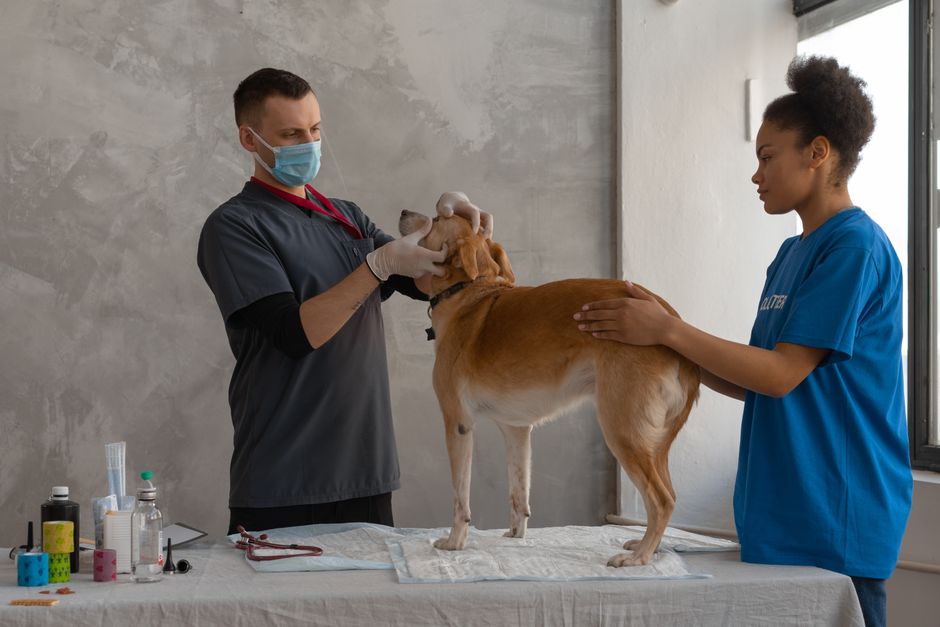
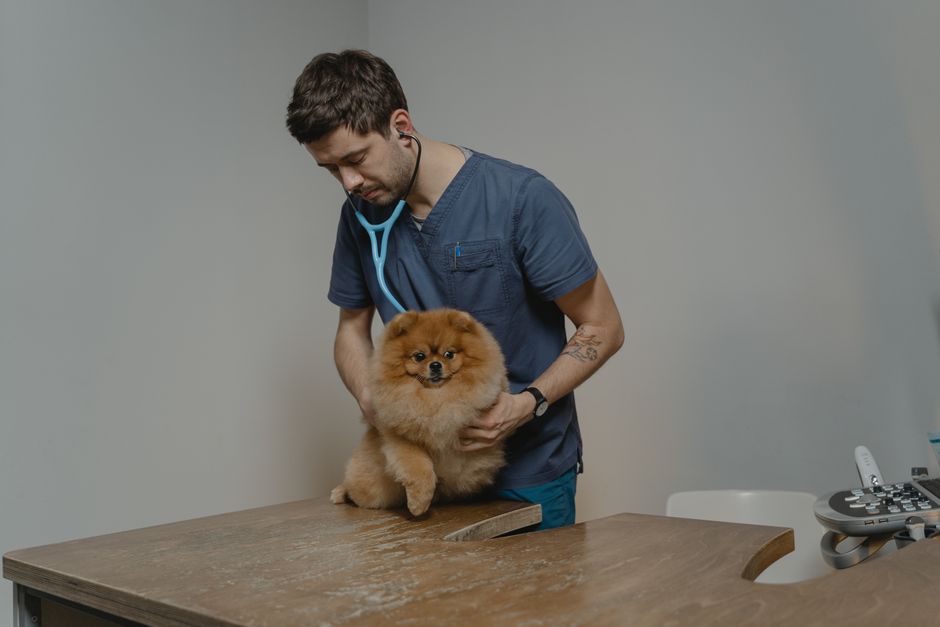
A typical visit for spring-related issues may begin with a thorough physical examination, during which our veterinary team checks your pet’s skin, ears, and paws for signs of infection or irritation. If we suspect allergies or a more serious condition, we may recommend additional diagnostic testing through our pet diagnostic lab. This can include skin cytology, bloodwork, or even advanced imaging if warranted.
For pets suffering from muddy paw troubles, treatment approaches often involve gentle cleaning of the affected area, topical or oral medications to control infection, and recommendations for at-home paw care. If allergies are to blame, our veterinarians may suggest antihistamines, dietary changes, or medicated shampoos tailored to your pet’s needs.
Respiratory symptoms such as sneezing or coughing should never be ignored, as these can sometimes indicate more serious infections. We offer a full suite of services, including wellness examinations, to ensure your pet receives the care they deserve as the seasons change. Catching problems early and following tailored treatment plans help prevent complications and support your pet’s ongoing wellbeing.
At-Home Prevention and Spring Pet Care Tips
Keeping your pet comfortable and healthy during Fort Mill’s rainy spring weather starts with a few practical steps at home. Begin by establishing a consistent routine for drying paws and fur after every outdoor excursion. Using a soft towel and gently inspecting between the toes helps remove mud, moisture, and any hidden debris. For dogs who love to splash, investing in a waterproof coat or rain boots can reduce direct exposure to wet ground.
Regular grooming is crucial, especially for long-haired pets. Brushing out tangles and mats not only keeps the coat clean but also allows you to check for any early signs of skin problems. If your pet is prone to skin or ear infections, ask your veterinarian about appropriate cleaning solutions or preventive products during your next wellness visit.
Cleaning and drying your pet’s favorite resting spots will also help prevent the buildup of dampness and allergens indoors. Wiping muddy paws at the door and using washable mats can keep your home cleaner and reduce the risk of skin irritation.
For pets affected by spring allergens or who seem restless from spending more time indoors, providing plenty of enrichment and play is essential. Puzzle toys, indoor fetch, and gentle training exercises can help keep your pet’s mind and body active until the sun returns.
If you notice behavioral changes that persist, such as anxiety during storms or increased indoor accidents, professional behavior consultations can offer valuable support. Our team is here to discuss safe, effective strategies for making your pet’s environment as stress-free as possible.
When to Schedule a Veterinary Visit for Spring Weather Concerns
While many springtime annoyances can be managed at home, there are times when a professional evaluation is the safest choice. You should contact your veterinarian if your pet develops persistent redness, swelling, or sores on the skin or paws; has difficulty breathing; begins to limp; or experiences repeated episodes of vomiting or diarrhea after being outside. Ongoing coughing, sneezing, or any discharge from the eyes or nose also warrant a call.
If you are ever uncertain about whether your pet’s symptoms require veterinary attention, our team at Greenway Animal Hospital is always happy to provide guidance. We encourage you to schedule an appointment promptly if you have concerns about muddy paws, allergy symptoms, or any unusual changes in your pet’s behavior this spring. Timely intervention can prevent minor issues from progressing into more serious health problems.
For those seeking a "vet near me" in Fort Mill and the surrounding communities, Greenway Animal Hospital offers comprehensive spring wellness services, including diagnostics, preventive care, and behavioral support. We are committed to supporting your pet’s health throughout every season, rain or shine.
Keeping Your Pet Safe and Happy This Spring
Spring in Fort Mill brings its share of soggy walks and muddy adventures, but with proactive care and a little preparation, your pet can enjoy the season safely. Watch for signs of wet-weather discomfort, keep up with regular grooming, and create a cozy, dry space indoors for your furry friend. When in doubt about your pet’s health, don’t hesitate to reach out for professional support.
If you are ready to schedule a spring wellness examination or have questions about your pet’s comfort during rainy weather, our veterinary team at Greenway Animal Hospital is here to help. You can find us at 887 Gold Hill Rd Suite D and E, Fort Mill, SC 29708. Call (803) 239-4477 to book your next visit and discover how we can keep your pet healthy, happy, and mud-free this spring. For more information about our comprehensive services, including wellness examinations and behavior consultations, visit our website or get in touch with our caring local veterinary professionals today.
This blog is intended for informational purposes only and does not replace professional veterinary advice. Always consult your veterinarian for specific concerns about your pet’s health.


.svg)


