
How to Protect Pets From Spring Allergies in Fort Mill

How to Protect Pets From Spring Allergies in Fort Mill
As spring arrives in Fort Mill, the burst of blooming flowers and green trees can mean more than just beautiful scenery; it often brings a wave of seasonal allergies for both people and pets. If your dog or cat has suddenly started scratching, sneezing, or licking their paws more than usual, you are not alone in wondering what is going on. At Greenway Animal Hospital, our veterinarians frequently see an uptick in allergy-related symptoms in pets during this time of year, making it a common concern for many local families. Whether you are trying to figure out if your pet’s discomfort is caused by allergies or want to know how to keep them comfortable as pollen counts rise, this blog will help you understand springtime allergies in pets, recognize the signs, and know when to seek professional care. Our family-oriented veterinary team at 887 Gold Hill Rd Suite D and E, Fort Mill, SC 29708 is here to help your pet feel their best all season long. We will explore common allergy symptoms, what triggers them, and practical steps you can take at home, as well as how services like wellness examinations and diagnostic laboratory testing at Greenway Animal Hospital can support your pet’s health this spring.
Recognizing Spring Allergy Symptoms in Your Dog or Cat
It is easy to overlook the signs of allergies in pets, since they can look different from typical human allergy symptoms. While some pets may have watery eyes or sneeze, others might display less obvious changes in their skin or behavior. Key symptoms to watch for include frequent scratching or licking, especially around the paws, belly, ears, or face. Some pets will develop red, inflamed skin, or you may notice hair loss in areas where they chew or rub. Chronic ear infections, head shaking, or a musty odor from the skin can also point to underlying allergies.
In cats, allergies sometimes show up as excessive grooming or small scabs on the skin, often along the back or neck. Dogs may develop hot spots, which are moist, irritated patches of skin that can become infected if not treated promptly. Other signs are less specific, such as increased sneezing, coughing, watery eyes, or a runny nose. If your normally playful pet is suddenly more irritable or less active, allergies could be a contributing factor. Noticing these changes early on allows you to seek support before symptoms worsen or complications arise.
What Causes Spring Allergies in Fort Mill Pets?
Spring allergies in pets are typically caused by environmental allergens that become more prevalent as temperatures rise in Fort Mill and surrounding communities. The most common culprits are pollens from trees, grasses, and weeds that are carried by the wind and collect on your pet’s coat and skin. Mold spores, which thrive in damp conditions, and dust mites in your home can also trigger allergic reactions in sensitive pets.
Unlike humans, who often develop respiratory symptoms, pets with allergies frequently experience issues with their skin. This condition, known as atopic dermatitis, occurs when the immune system overreacts to substances like pollen or mold, leading to inflammation and itching. Some pets are genetically predisposed to develop allergies, so breeds such as retrievers, terriers, and certain cats may be more likely to struggle with springtime symptoms. Additionally, pets who spend a lot of time outdoors during peak pollen months or who have had previous allergy flare-ups are at higher risk.
How Greenway Animal Hospital Diagnoses and Treats Pet Allergies
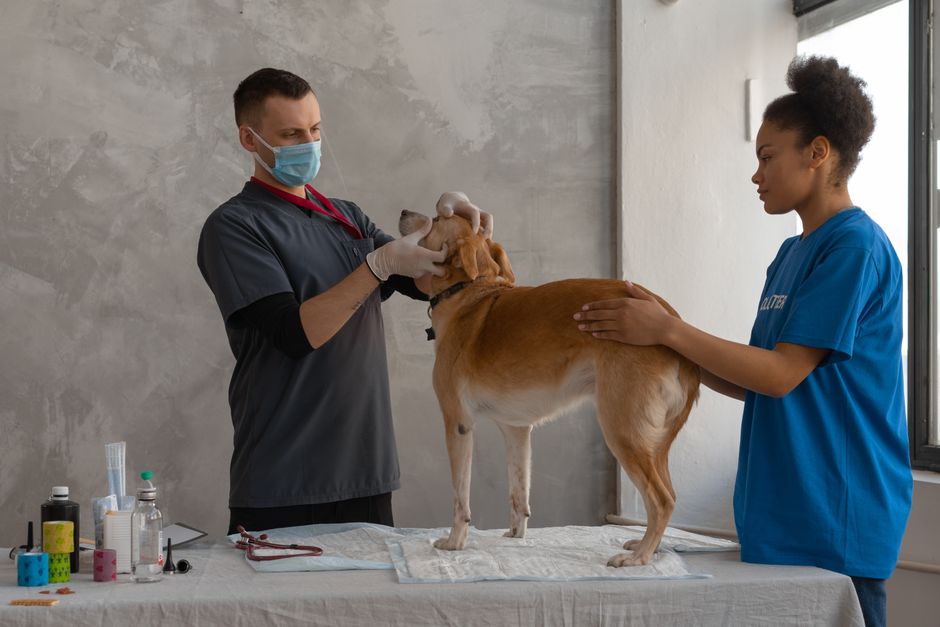
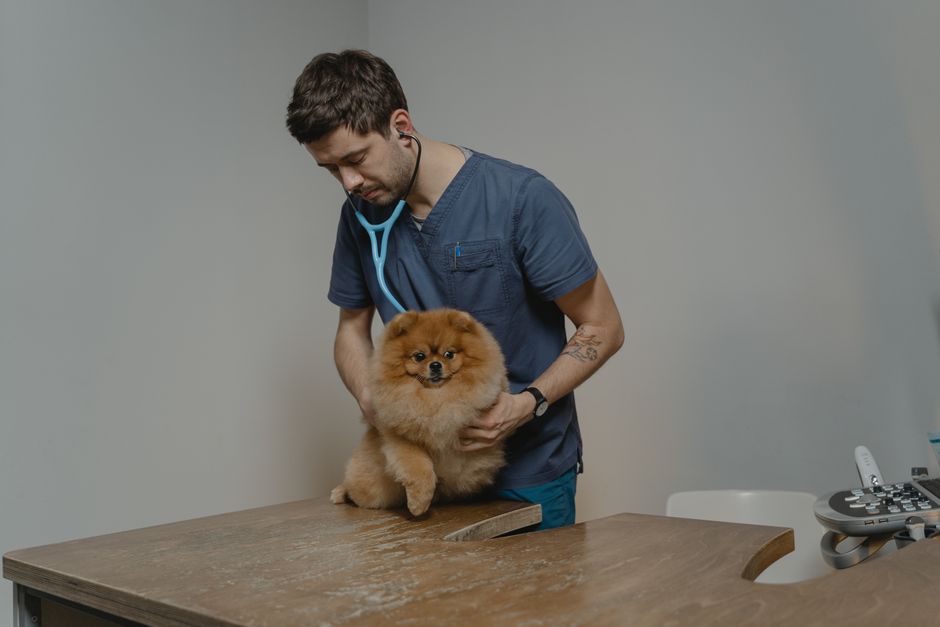
When your pet is suffering from persistent itching, skin irritation, or other signs of allergies, our veterinarians at Greenway Animal Hospital in Fort Mill are here to help. The process begins with a thorough history and physical examination, where we ask detailed questions about your pet’s environment, diet, and daily routines. Our comprehensive pet exams allow us to assess for underlying conditions that might mimic allergy symptoms, such as infections or parasites.
If allergies are suspected, our team may recommend diagnostic laboratory testing to rule out other causes and identify the specific type of allergy affecting your pet. This might involve skin scrapings, cytology (studying samples under the microscope), or blood tests to check for secondary infections or to help guide treatment.
Treatment options are tailored to each pet’s needs and may include prescription antihistamines, medicated shampoos, topical creams, or in some cases, oral or injectable medications to reduce inflammation and itching. For pets with recurrent or severe symptoms, immunotherapy (allergy shots) may be discussed, which can help desensitize the immune system over time. Our veterinary professionals always prioritize the most effective, least invasive options to keep your pet comfortable.
We also provide guidance on managing your pet’s environment, such as bathing schedules, changes to bedding, or altering outdoor routines during peak pollen times. In some cases, telemedicine consultations can be a helpful tool for follow-up care or to assess your pet’s progress from the comfort of your home.
Practical Steps You Can Take at Home to Help Your Pet
While professional care is essential for moderate to severe allergies, there are several ways you can support your dog or cat at home. Regularly wiping your pet’s paws and coat with a damp cloth after outdoor walks can remove pollen before it causes irritation. Frequent bathing with a veterinarian-recommended shampoo can help soothe itchy skin and reduce allergen buildup, but it is important to avoid over-bathing, as this can dry out the skin.
Keeping your home environment as allergen-free as possible is another important step. Vacuuming carpets and washing your pet’s bedding weekly removes pollen, dust, and dander. Using air purifiers and keeping windows closed during high pollen days can limit exposure. Monitoring local pollen counts and choosing to walk your dog during times when pollen levels are lowest, typically early morning or after rain, can also make a difference.
Feeding a balanced diet with supportive nutrients, such as omega-3 fatty acids, may help strengthen your pet’s skin barrier and reduce inflammation. If you notice any changes in your pet’s behavior or skin during the spring, keeping a diary of symptoms can be helpful when discussing treatment plans with your veterinarian.
When to Seek Veterinary Care for Spring Allergies
Although mild allergies can sometimes be managed at home, there are certain situations where professional help is crucial. If your pet’s itching leads to raw or bleeding skin, if you notice open sores, or if your pet develops a fever, lethargy, or loss of appetite, a veterinary visit should not be delayed. Repeated ear infections, persistent licking or chewing, and any sudden changes in breathing or swelling of the face or paws are also reasons to contact us right away.
Our veterinarians at Greenway Animal Hospital are experienced in diagnosing and treating spring allergies, as well as distinguishing them from other skin and health conditions. If you are unsure whether your pet’s symptoms warrant a visit, our sick visit services are designed to evaluate new or worsening signs of illness, including allergies. Prompt care helps prevent complications such as infections or chronic discomfort and ensures your pet enjoys a comfortable, happy spring.
Supporting Your Pet’s Health This Spring: Schedule an Appointment Today
Spring allergies can be frustrating for both pets and their families, but with the right knowledge and support, your dog or cat can enjoy the season in comfort. By recognizing the signs of allergies early, addressing environmental triggers, and partnering with a trusted veterinary team, you play a key role in your pet’s well-being. At Greenway Animal Hospital, we are committed to providing personalized care, thorough examinations, and ongoing support for every pet who walks through our doors.
If you are searching for a caring "vet near me" in Fort Mill to help with springtime allergy symptoms, our veterinarians are ready to help. Schedule an appointment for a wellness examination, allergy assessment, or sick visit by calling (803) 239-4477. You can also visit us at 887 Gold Hill Rd Suite D and E, Fort Mill, SC 29708 for compassionate, comprehensive veterinary care. Together, let’s keep your pet healthy and happy through every season.
This blog is intended for informational purposes only and should not be used as a substitute for professional veterinary advice. If you have concerns about your pet’s health, please consult your veterinarian.



.svg)


