
Pet Nutrition Tips for Optimal Wellness at Every Age

Pet Nutrition Tips for Optimal Wellness at Every Age
Pet owners want to give their companions the healthiest, happiest lives possible, and one of the most important ways to do that is by providing excellent nutrition. Yet with so many pet foods and dietary trends on the market, it can be confusing to know what your dog or cat truly needs—especially as they move from playful puppy or kittenhood into adulthood and eventually their golden years. At Greenway Animal Hospital, our veterinary team in Fort Mill, SC understands how crucial nutrition is for lifelong health. In this guide, we’ll share expert insights and wellness tips for pets at every stage of life, helping you make informed choices about what goes into your pet’s bowl.
Whether you’re seeking advice for a kitten, an adult dog, or a senior cat, our family-oriented approach at Greenway Animal Hospital means you’ll receive personalized recommendations during every visit. We’re proud to serve Fort Mill and surrounding communities with comprehensive veterinary care, including guidance on pet nutrition and preventive wellness programs. If you ever have questions about your pet’s diet, or if you’d like to schedule a wellness examination to ensure your pet’s nutritional needs are being met, our compassionate veterinary professionals are here to help. You can even explore how a wellness examination can support your pet’s nutritional journey.
Recognizing Nutrition-Related Problems in Pets
Understanding when your pet may be experiencing nutrition-related issues is essential for proactive care. Common signs of dietary problems include changes in appetite, weight gain or loss, dull or flaky coats, excessive shedding, lethargy, digestive upsets such as vomiting or diarrhea, and behavioral changes like increased irritability or restlessness. In kittens and puppies, symptoms like poor growth, lack of energy, or frequent illnesses can also signal nutritional gaps. For adult and senior pets, decreased muscle mass, dental problems, or chronic skin issues may point to a need for dietary adjustments.
Pets with food sensitivities might scratch excessively, have recurring ear infections, or experience gastrointestinal discomfort. Sometimes, subtle changes—such as a dog that is less enthusiastic about playtime or a cat that sleeps more than usual—can indicate that a pet’s current diet is not meeting their needs. It’s important to remember that nutrition plays a significant role not just in physical health, but also in your pet’s quality of life and behavior.
If you notice any of these changes in your pet, it’s a good idea to discuss them with a veterinarian near you. Our veterinary team at Greenway Animal Hospital can help identify whether nutritional factors are contributing and recommend tailored solutions. For those searching for a “vet near me” or “pet nutrition advice in Fort Mill,” our clinic is dedicated to supporting your pet’s individual needs.
Why Pet Nutrition Matters Throughout Every Life Stage
Every pet’s nutritional needs evolve dramatically from the time they’re a newborn to their senior years. Puppies and kittens require calorie-dense food with higher levels of protein, fat, vitamins, and minerals to support rapid growth and development. Essential nutrients during this stage include DHA for brain development, calcium and phosphorus for healthy bones, and antioxidants to bolster the immune system. Feeding a diet specifically formulated for puppies or kittens is critical to prevent deficiencies or imbalances that could impact growth.
As pets transition into adulthood, their metabolism slows and their nutritional needs shift toward maintaining a healthy weight, strong muscles, and a vibrant coat. Adult dogs and cats benefit from a balanced blend of proteins, healthy fats, and easily digestible carbohydrates. Portion control becomes more important, as overfeeding can lead to obesity and associated health concerns.
Senior pets, on the other hand, often require fewer calories but more targeted nutrients. Diets rich in antioxidants, omega-3 fatty acids, and joint-supporting ingredients like glucosamine can help manage age-related changes. Senior pets also face an increased risk of dental disease and kidney issues, making it crucial to select foods that support oral and organ health.
Lifestyle factors such as activity level, breed, and underlying medical conditions also influence dietary choices at every stage. For example, a highly active working dog in Fort Mill’s warm climate may need a diet with more calories and electrolytes, while a small senior cat living indoors might benefit from a calorie-controlled, easily digestible formula.
How Veterinary Professionals Support Pet Nutrition in Fort Mill
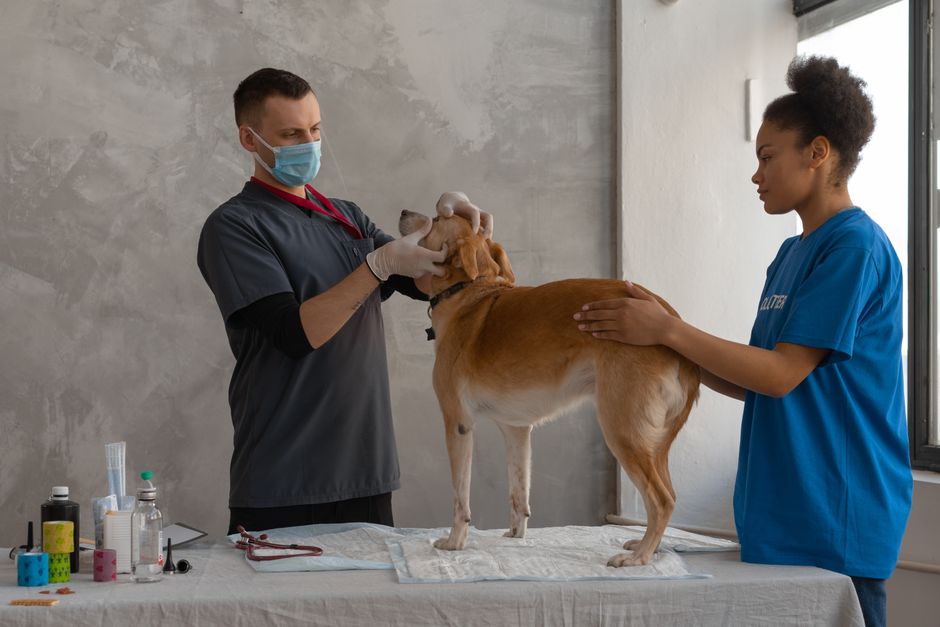
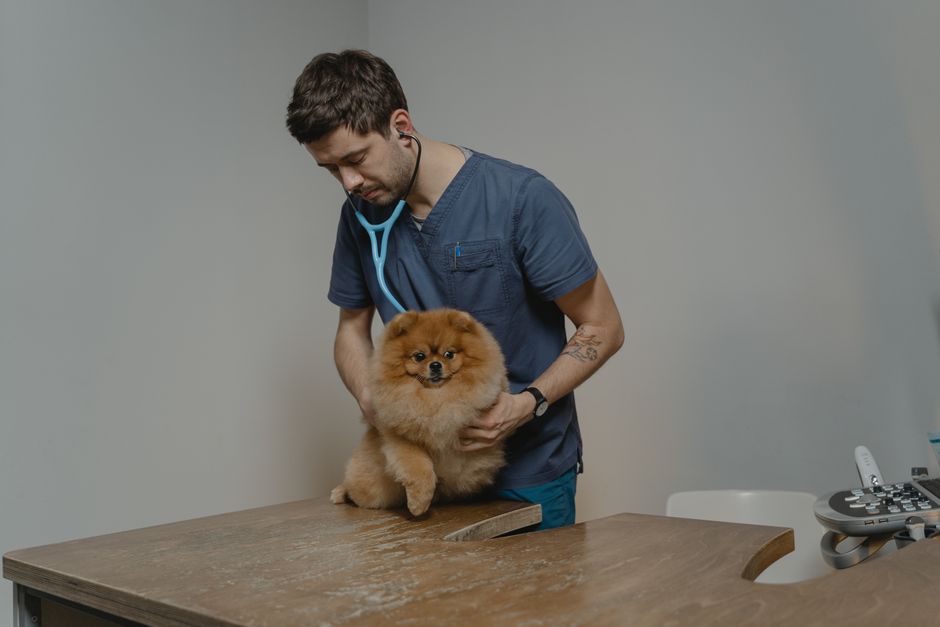
When it comes to optimizing your pet’s diet, working closely with a veterinary professional is invaluable. At Greenway Animal Hospital, our veterinarians take the time to understand your pet’s unique lifestyle, health status, and preferences before making personalized recommendations. During routine wellness exams, we assess your pet’s weight, body condition, dental health, and any changes in energy or mobility that could relate to nutrition.
We may recommend specific foods based on your pet’s age, breed, and medical history. For example, a puppy with a sensitive stomach might do best on a limited-ingredient diet, while an older dog with joint pain could benefit from a senior formula with added omega-3s. If your pet has special requirements—such as managing diabetes, kidney disease, or allergies—our team will guide you toward prescription or therapeutic diets designed to address these needs.
For pet owners interested in dental health, proper nutrition can play a key role in maintaining healthy teeth and gums. Crunchy kibble, dental chews, and dental diets can help reduce tartar buildup. To further support oral wellness, our clinic offers professional dental cleaning services in Fort Mill, ensuring your pet’s mouth stays healthy as part of a comprehensive care plan.
Behavioral issues, such as anxiety or hyperactivity, can sometimes be improved through dietary management. Our behavior consultations include discussions about how nutrition might influence your pet’s mood or behavior, providing holistic solutions for overall wellbeing.
Home Care and Prevention: Steps for Supporting Your Pet’s Nutrition
Pet owners play a central role in maintaining and improving their pet’s nutrition at home. The first step is choosing a high-quality, age-appropriate commercial diet that meets guidelines set by veterinary nutritionists. Look for foods labeled as “complete and balanced” for your pet’s life stage, and avoid making sudden changes to your pet’s diet, as this can upset their stomach.
Portion control is just as important as food selection. Measuring your pet’s meals, feeding at set times, and avoiding table scraps can help prevent obesity and digestive issues. Fresh, clean water should always be available, especially during warmer months in Fort Mill when pets may be prone to dehydration.
Treats and supplements should be given in moderation, with less than ten percent of daily calories coming from treats. For pets with specific health concerns, your veterinarian may suggest supplements such as omega-3 fatty acids, joint support, or probiotics.
Regular check-ups are a cornerstone of preventive care. During a wellness examination, our veterinary team can monitor your pet’s weight, assess body condition, and make timely recommendations for dietary adjustments. For pets with ongoing health issues, periodic diagnostic testing at our in-house lab can help track how nutrition is impacting overall wellness.
Remember, feeding a homemade or raw diet can be risky unless it’s been formulated by a veterinary nutritionist. Nutritional imbalances or contamination can cause serious health problems, so always consult with your veterinarian before making major dietary changes.
When to Seek Veterinary Guidance for Pet Nutrition
While many pet owners do their best to provide excellent nutrition, there are times when professional help is essential. It’s important to contact your veterinarian if your pet experiences persistent vomiting, diarrhea, rapid weight loss or gain, skin problems, or changes in appetite that last more than a few days. Puppies and kittens who fail to thrive or grow as expected should be evaluated promptly to rule out underlying nutritional deficiencies or medical issues.
Senior pets with new or worsening symptoms—such as increased thirst, changes in urination, difficulty eating, or signs of pain—also require timely veterinary assessment. These can be signs of age-related diseases that benefit from dietary adjustments and medical care. For any pet, if you’re unsure about how much or what type of food to feed, or if you’re considering a new diet trend, it’s wise to schedule a consultation.
At Greenway Animal Hospital, we encourage you to reach out whenever you have questions about your pet’s nutrition. Our veterinary professionals in Fort Mill, SC are here to offer guidance, whether you’re looking for a “quality veterinary services near me” or specialized advice for managing a chronic condition.
Supporting Your Pet’s Wellness Through Every Stage of Life
Providing the right nutrition at every stage of your pet’s life is one of the most impactful things you can do for their long-term health and happiness. By recognizing signs of nutritional issues, understanding the shifting needs of your growing or aging companion, and working closely with a local veterinary team, you can ensure your pet thrives from puppyhood or kittenhood into their senior years.
If you’re ready to optimize your pet’s diet or have concerns about their eating habits, we invite you to schedule an appointment with our compassionate veterinary team at Greenway Animal Hospital. We offer comprehensive wellness examinations, dental care, and preventive programs designed to keep your pet healthy in Fort Mill and the surrounding communities. For those searching for a “vet near me” who truly cares about your pet’s unique needs, our clinic is committed to being your trusted partner in every aspect of their care.
To learn more about our approach to pet nutrition in Fort Mill or to book your next visit, call (803) 239-4477 or visit us at 887 Gold Hill Rd Suite D and E, Fort Mill, SC 29708. Your pet’s wellness is our priority, and we look forward to supporting you with expert advice, personalized care, and ongoing support throughout every stage of your companion’s life. For more information on nutrition and wellness tips for pets, explore our website or connect with our veterinary professionals today.
This article is intended for educational purposes only and does not replace professional veterinary care. Always consult your veterinarian for specific advice regarding your pet’s health and nutrition.



.svg)


