
Why Is My Cat or Dog Drinking More Water Than Usual?

Why Is My Cat or Dog Drinking More Water Than Usual?
As a pet owner in Fort Mill, you know your cat or dog’s daily routines better than anyone. When you notice your pet drinking more water than usual, it’s natural to feel concerned and wonder if this increased thirst is a sign of something more serious. At Greenway Animal Hospital, located at 887 Gold Hill Rd Suite D and E, Fort Mill, SC 29708, our veterinary team often hears this question from caring pet parents—especially during January, when cooler weather and changes in routine might make behavior shifts more noticeable.
In this blog, we’ll explore what increased thirst in pets looks like, what could be causing your cat or dog to drink more water, and how our comprehensive pet diagnostic laboratory services in Fort Mill can help uncover the reason behind this change. We’ll also guide you on when to seek veterinary attention, share practical home care tips, and explain how a wellness examination with our veterinary professionals can provide peace of mind. If you’re searching for a “vet near me” who puts your pet’s health first, Greenway Animal Hospital is here to support you with personalized, attentive care.
Recognizing Increased Thirst in Pets: What Should You Watch For?
Many pet owners wonder how much water is too much, or if their pet is simply drinking more due to drier air or increased activity. Recognizing increased thirst in pets starts with noticing changes in their usual habits. Key signs that your dog or cat may be drinking more than normal include frequently empty water bowls, asking to go outside for bathroom breaks more often, or using the litter box with unusual frequency. You might also see your cat or dog seeking out water from faucets, toilets, or unusual places, which could indicate they are not feeling satisfied by their usual water intake.
While some pets naturally drink more after exercise or on warm days, persistent changes in drinking behavior—especially when combined with other symptoms—warrant a closer look. Other signs to watch for are increased urination, changes in appetite, unexpected weight loss or gain, and lethargy. Pet owners in Fort Mill and surrounding communities should pay attention if their pet’s water consumption suddenly spikes and doesn’t return to normal within a day or two.
If you’re unsure whether your pet’s thirst is abnormal, consider keeping a simple log of how often you refill their water bowl and any changes you notice in their bathroom habits. This information can be helpful for your veterinarian during a sick visit, as it provides valuable context for understanding your pet’s overall health.
Why Is My Pet Drinking More Water? Understanding the Causes
There are several reasons why you might observe increased thirst in pets. Some causes are mild and temporary, while others may signal an underlying health problem that requires professional attention. Understanding these causes can help you decide when to schedule a comprehensive pet exam in Fort Mill.
Common causes of increased thirst in dogs and cats include environmental changes, such as a shift to drier winter air in January or increased physical activity. However, persistent or unexplained increases in water intake often point to medical conditions that need veterinary evaluation. Medical reasons for a pet drinking more water can include diabetes mellitus, kidney disease, liver disease, urinary tract infections, and some hormonal disorders such as Cushing’s disease. Certain medications, especially those for allergies or inflammation, can also cause pets to drink and urinate more frequently.
Sometimes, increased thirst is a body’s way of compensating for fluid loss due to vomiting or diarrhea. In senior pets, or those with a history of chronic illness, this symptom can be especially important to address early. For example, a middle-aged dog that suddenly starts emptying their water bowl several times a day may be signaling the onset of diabetes, while an older cat who drinks more and has frequent litter box trips could be developing kidney issues.
It’s important to remember that while increased thirst in pets is a helpful clue, it rarely tells the whole story on its own. Only a thorough examination by a veterinarian and appropriate diagnostic testing can uncover the real reason behind this change in behavior.
Veterinary Diagnostics in Fort Mill: How We Find the Cause
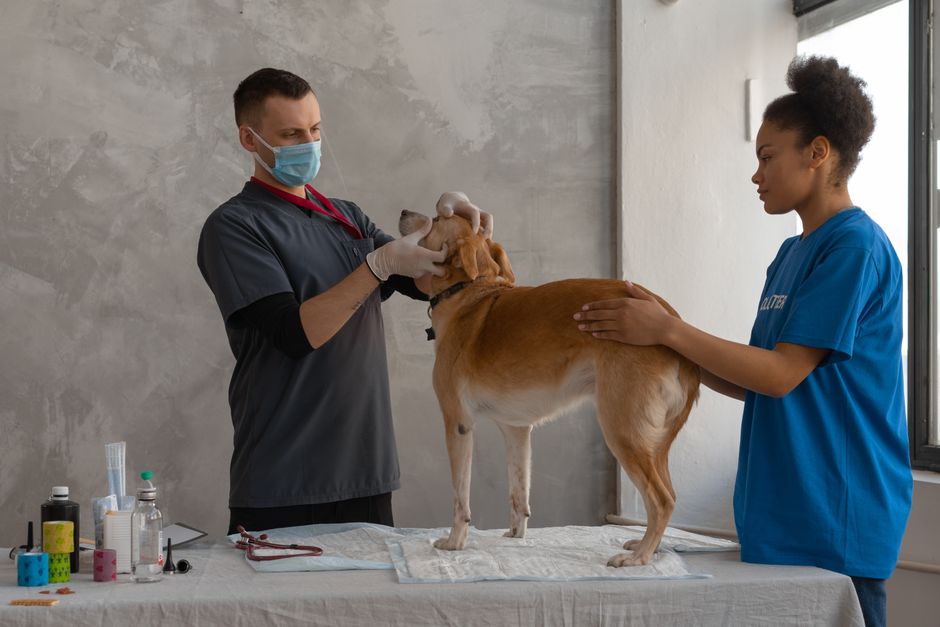
When you bring your pet to Greenway Animal Hospital with concerns about increased thirst, our veterinarians will begin with a detailed health history and a hands-on physical exam. We’ll ask questions about your pet’s water intake, appetite, urination patterns, and any other changes you’ve noticed. This is where your observations and any logs you’ve kept can be especially helpful.
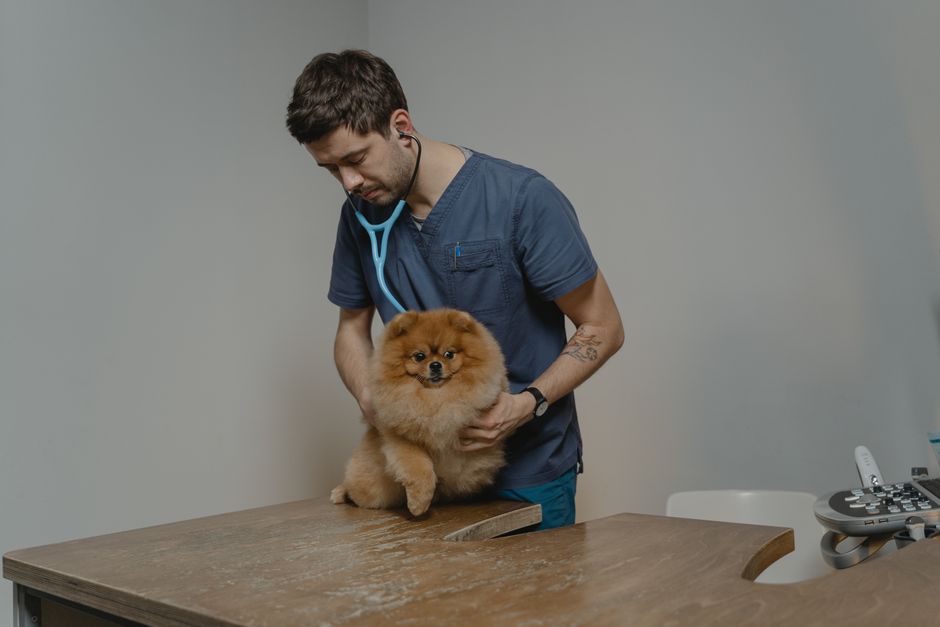
Our next step often involves in-house testing using our pet diagnostic laboratory services in Fort Mill. These diagnostics allow us to quickly analyze bloodwork, urine, and other samples to look for signs of diabetes, kidney dysfunction, liver issues, or infections. In some cases, we may recommend advanced imaging such as ultrasounds or digital radiology to visualize organs and detect abnormalities that aren’t apparent through lab work alone.
For example, a pet with significantly elevated kidney values on bloodwork may benefit from an ultrasound to assess the structure of the kidneys and look for stones or tumors. Similarly, if a dog’s blood sugar is high, we can run additional tests to confirm diabetes and determine the best treatment plan.
The combination of physical examination, advanced laboratory testing, and imaging helps us pinpoint the exact cause of your pet’s symptoms. Our goal is always to provide answers as quickly as possible so that we can begin an effective treatment plan tailored to your pet’s unique needs.
Managing Increased Thirst in Pets: What Treatment Looks Like
Treatment for increased thirst in pets depends entirely on the underlying cause identified during the diagnostic process. At Greenway Animal Hospital, our approach to pet drinking more water is always individualized and grounded in comprehensive care.
If diagnostics reveal diabetes, treatment options involve insulin therapy, dietary changes, and close monitoring of blood glucose. For kidney disease, management may include prescription diets, fluid therapy, and medications to support kidney function and control symptoms. Urinary tract infections are typically addressed with targeted antibiotics and supportive care. When hormonal disorders are to blame, our veterinarians may discuss ongoing medication and monitoring to keep your pet comfortable and healthy.
During your visit, we will explain all findings in detail, answer any questions, and provide step-by-step instructions for home care and medication if needed. Our veterinary team will also recommend regular follow-up visits and repeat testing to ensure your pet is responding well to treatment and to adjust the plan as necessary.
For complex cases or those requiring specialized care, we can coordinate with local veterinary specialists as part of our commitment to the highest quality care in Fort Mill and nearby communities.
Home Care and Prevention: Supporting Your Pet’s Hydration and Health
While some causes of increased thirst in pets are outside your control, there are steps you can take at home to support your pet’s well-being and reduce the risk of certain conditions. Ensuring your pet always has access to clean, fresh water is essential. Some pets are more likely to drink enough water if you offer multiple water bowls throughout your home or use a pet water fountain to keep the water moving and appealing.
Routine wellness examinations with your veterinarian are one of the best ways to catch early signs of disease that can cause increased thirst. Preventive care—such as regular bloodwork, urinalysis, and monitoring body weight—can help identify problems before they become more serious. For pets prone to urinary tract problems, your veterinarian may suggest specific diets or supplements to support urinary health.
Managing your pet’s weight through portion control and regular exercise can also reduce the risk of diabetes and other illnesses that lead to increased thirst. Additionally, avoid giving your pets salty treats or table scraps, as these can contribute to dehydration and increased water intake.
If your pet is taking medication, follow your veterinarian’s instructions closely and keep an eye out for any changes in thirst or urination, reporting these promptly. Being proactive about your pet’s health gives them the best chance at a long, happy life.
When Should You Bring Your Pet to the Veterinarian?
It’s always better to err on the side of caution when you notice significant changes in your pet’s drinking habits. You should schedule an appointment with your veterinarian in Fort Mill if your cat or dog is drinking noticeably more water for more than a day or two, or if increased thirst is accompanied by symptoms such as vomiting, diarrhea, unexplained weight loss, loss of appetite, increased urination, or lethargy.
Sudden or severe changes—such as a dog that cannot stop drinking or urinating, or a cat that becomes weak and listless—should be treated as urgent, and you should contact your veterinarian as soon as possible. These symptoms may indicate serious medical conditions that require prompt diagnosis and treatment.
Keep in mind that early intervention often leads to better outcomes and a smoother recovery for your pet. Whether you’re noticing subtle changes or dramatic symptoms, Greenway Animal Hospital is here to help with comprehensive veterinary diagnostics in Fort Mill and ongoing support for you and your pet.
Take the Next Step: Schedule a Comprehensive Pet Exam with a Vet Near Me
Noticing your cat or dog drinking more water than usual can be worrying, but you don’t have to face these concerns alone. At Greenway Animal Hospital, our compassionate veterinarians are dedicated to helping pets and their families find answers and solutions in a welcoming, family-oriented environment. We combine advanced pet diagnostic laboratory services in Fort Mill with individualized care plans to address every aspect of your pet’s health.
If you’re searching for the best veterinarian near me or need a comprehensive pet exam to investigate increased thirst in pets, we invite you to schedule an appointment at our Fort Mill location. You can call us at (803) 239-4477 or visit our website to request a visit. Our veterinary team will listen carefully to your concerns, perform any necessary pet diagnostics, and answer all of your questions with empathy and expertise.
Remember, changes in your pet’s thirst can be an early sign of health issues, and timely veterinary care makes all the difference. Let us help you keep your furry family member healthy and happy for years to come. Schedule your pet’s wellness examination today and experience the difference of quality veterinary services near me at Greenway Animal Hospital.
Disclaimer: This blog is for informational purposes only and is not a substitute for professional veterinary advice. If you have concerns about your pet’s health, please consult with your veterinarian directly.



.svg)


