
Winter Dog Walking Tips for Fort Mill’s Cool, Wet Months
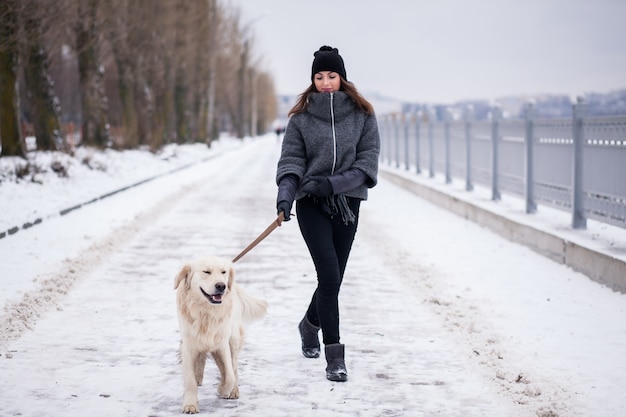
Winter Dog Walking Tips for Fort Mill’s Cool, Wet Months
When winter settles into Fort Mill and the surrounding communities, dog owners know that the season brings not only crisp, invigorating walks but also a new set of challenges for both pets and people. Shorter daylight hours, cooler temperatures, and frequent rain can make keeping your dog active a bit more complicated. At Greenway Animal Hospital, our veterinary team understands how important daily walks are for your dog’s wellbeing, even in the cool and wet months. In this blog, we’ll share practical winter dog walking tips tailored for pet care in Fort Mill winter, including strategies for managing mud, protecting paws, and adapting your walk routines to the local climate. You’ll also learn how our wellness examination services in Fort Mill support your dog’s year-round health and why preventive care is especially important during the winter season.
If you’re searching for a “vet near me” who understands the unique needs of your pet during South Carolina’s winter, you’re in the right place. Our compassionate approach and extended appointment times at 887 Gold Hill Rd Suite D and E, Fort Mill SC 29708 ensure that your dog’s health and comfort are always our priority.
Recognizing When Winter Dog Walking Tips Matter for Your Pet
Winter in Fort Mill might not bring heavy snow, but the combination of rain, mud, and chilly winds can still impact your dog’s routine. Knowing when your dog is struggling with the season’s challenges is the first step in providing the right support. Common signs that your pet may need extra help during winter walks include reluctance to go outside, shivering or visibly shaking, lifting paws frequently due to cold or discomfort, and increased licking or biting at their feet after walks. Additionally, if your dog seems less energetic, develops coughing or sneezing, or starts to limp or show signs of skin irritation, these may signal that the winter climate is affecting their wellbeing.
Changes in behavior, such as increased anxiety or restlessness, can also occur when dogs are unable to burn off energy due to shorter walks or unfavorable weather. For some pets, the dampness and mud can lead to ear or skin infections, while dogs with arthritis or joint conditions may find cold, damp weather particularly uncomfortable. Watching for these signs helps you determine when to adjust your walking routine or consult your local veterinary professionals for guidance.
Understanding Why Winter Brings Challenges for Dog Walks in Fort Mill
The cooler months in Fort Mill present a unique mix of environmental factors that can challenge even the most enthusiastic canine walker. Persistent rain creates muddy trails, slippery sidewalks, and puddles that can harbor bacteria or irritants. The chilly wind and lower temperatures may not seem extreme, but for smaller breeds, seniors, and dogs with thin coats, even mild cold can become uncomfortable quite quickly. Seasonal yard treatments and de-icing products, while less common than in snowy regions, may still appear on driveways and sidewalks, posing a risk to your dog’s paws.
In addition to physical discomfort, the disruption of daily routines caused by early sunsets and inclement weather can trigger stress or behavioral issues in some dogs. Boredom and pent-up energy may lead to undesirable behaviors indoors. The risk of respiratory illnesses also rises slightly during wet, colder months, especially for puppies and senior dogs. Understanding these factors emphasizes the importance of adapting your approach to pet care in Fort Mill winter to keep your dog both safe and content.
Managing Mud, Moisture, and Cold During Winter Dog Walks
As winter progresses, adapting your walking routine becomes essential to maintaining your pet’s health and happiness. Choosing the right time of day for walks is important; midday usually offers the warmest temperatures and the best light. If possible, aim for shorter, more frequent walks to minimize time in the cold and wet. Outfitting your dog with a waterproof coat or sweater, especially for breeds with short hair or those sensitive to cold, can make walks more comfortable. Paw protection is crucial during wet, muddy months; wiping your dog’s feet after each walk helps remove moisture, mud, and any harmful residues they may have picked up along the way.
When planning your route, opt for paved paths or grassy areas that drain well to minimize exposure to deep mud and standing water. After walks, thoroughly dry your dog’s paws and underbelly to prevent irritation or infection. For dogs prone to skin issues or allergies, gentle paw soaks with warm water can help remove irritants. If your pet is dealing with behavioral changes due to limited exercise and routine disruption, consider seeking support from our behavior consultations, where our veterinarians can guide you in creating positive outlets for your dog’s energy during winter.
Preventing Winter-Related Health Problems: Home Care for Fort Mill Dogs
Taking proactive steps at home can make a big difference in your dog’s winter wellbeing. Regular grooming, including trimming long hair around the paws, helps reduce the amount of mud and debris your dog carries indoors. Keeping nails trimmed gives better traction on slippery surfaces. Monitor your dog’s skin and pads for cracks, redness, or swelling, and apply a veterinarian-recommended paw balm if needed. Provide a warm, dry place for your dog to rest after outdoor activity, and wash any gear—such as coats or booties—frequently to prevent bacteria buildup.
Indoor play can be a valuable supplement to outdoor walks. Engage your dog with interactive toys, treat puzzles, or short training sessions to keep them mentally and physically stimulated when the weather is too harsh for long walks. Adjust your dog’s diet if their activity level decreases, and always ensure fresh water is available. For dogs with chronic health conditions, keep an eye on any changes and schedule a wellness examination if you notice new or worsening symptoms. Preventive steps like these are a vital part of pet care in Fort Mill winter, ensuring that your pet stays healthy and happy all season long.
When to Schedule a Veterinary Visit for Winter Walking Concerns
While most dogs adjust well to the change in seasons, there are times when a visit to your veterinary team is the safest choice. If your dog develops persistent coughing, sneezing, or difficulty breathing after walks, or if you notice lameness, swelling, or open wounds on their paws, it’s time to seek professional care. Other urgent signs include ongoing lethargy, loss of appetite, vomiting, or diarrhea, particularly after being outdoors. Dogs who suddenly show a fear of going outside, or who develop significant behavior changes, may benefit from a veterinary assessment to rule out pain or illness.
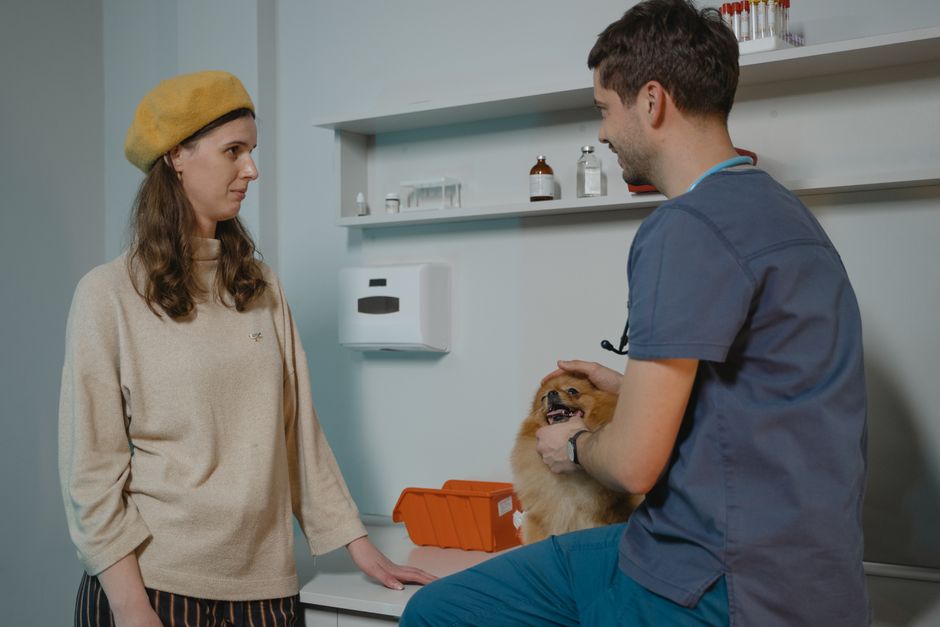
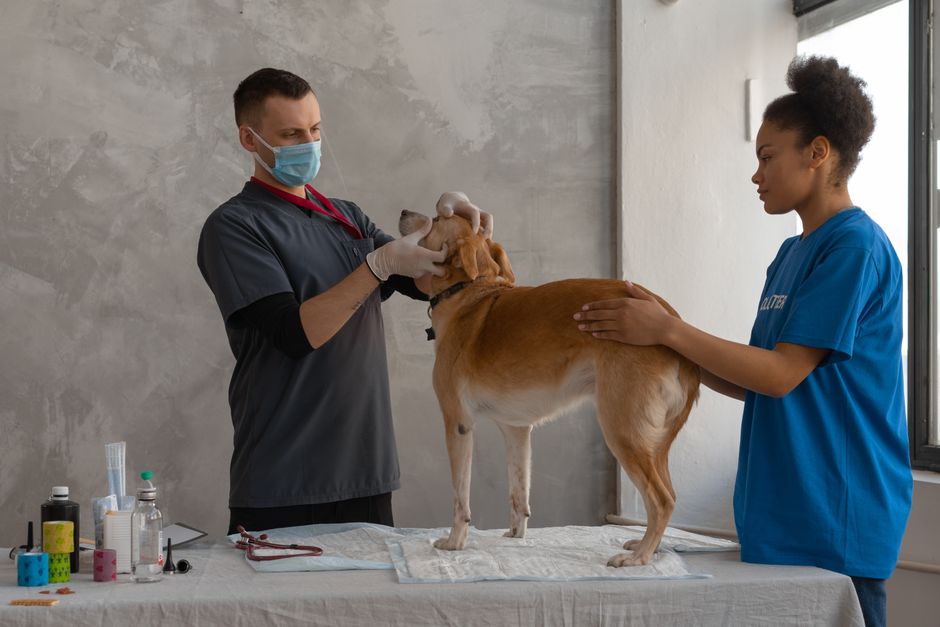
For pets with chronic health issues such as arthritis, diabetes, or respiratory problems, even minor changes in their condition during winter should prompt a call to your veterinarian. If your dog’s vaccinations are not up to date, cold and wet months can increase the risk of certain illnesses, so consider scheduling vaccination services to provide optimal protection. Our veterinary professionals at Greenway Animal Hospital are always here to help you navigate the unique challenges of winter dog walking and ensure that your pet receives quality veterinary services in Fort Mill.
Supporting Your Dog’s Winter Health: Greenway Animal Hospital Is Here for You
Keeping your dog active and healthy during the cool, wet months of a Fort Mill winter doesn’t have to be a struggle. By recognizing the signs that your pet needs extra support, understanding how the season affects their wellbeing, and taking proactive steps to manage mud, moisture, and cold, you can ensure many happy, safe walks together. If you have concerns about your pet’s health, behavior, or routine this winter, we encourage you to schedule an appointment with our experienced team of veterinarians. Whether your pet needs a wellness examination, advice on seasonal pet care, or help managing a winter-related illness, Greenway Animal Hospital is your trusted resource for compassionate, comprehensive care.
Our friendly veterinary team is proud to serve Fort Mill and surrounding communities from our convenient location at 887 Gold Hill Rd Suite D and E, Fort Mill SC 29708. If you are searching for a quality vet near me who can guide you through pet care in Fort Mill winter, call us at (803) 239-4477 or visit our website to schedule your appointment. Together, we’ll make sure your pet stays healthy, active, and joyful all winter long.
This blog is intended for informational purposes only and does not substitute for professional veterinary advice. Always consult your veterinarian for personalized recommendations regarding your pet’s health.


.svg)


