
Do Dogs Have Baby Teeth? Puppy Teething Facts
Do Dogs Have Baby Teeth? Puppy Teething Facts Every Pet Owner in Fort Mill Should Know
Have you ever wondered, "Do dogs have baby teeth?" If you’re a new puppy owner in Fort Mill or the surrounding communities, you might find yourself noticing tiny teeth on the floor or feeling your puppy’s gentle nibbling turn into more determined chewing. Understanding how puppy teeth develop, when they fall out, and how to help your growing dog through the teething process is an important part of responsible pet ownership. At Greenway Animal Hospital, conveniently located at 887 Gold Hill Rd Suite D and E, Fort Mill, SC 29708, our veterinary team is dedicated to guiding you through every stage of your puppy’s dental health. In this guide, we’ll explore the timeline of puppy teething, what to expect as your dog’s mouth matures, tips for easing discomfort, and when to seek professional help. Whether you’re witnessing your puppy’s first tooth fall out or preparing for their first dental visit, you’ll find practical advice tailored to your needs.
Recognizing Puppy Teething: Signs Your Dog Is Losing Baby Teeth
Teething can be a confusing and sometimes messy time for both puppies and their owners. Many pet owners first realize their dog has baby teeth when they spot small, needle-like teeth on the floor or notice an uptick in chewing behavior. Key signs that your puppy is teething include increased drooling, a stronger urge to chew on toys or household objects, occasional mild bleeding from the gums, and sometimes a decrease in appetite due to oral discomfort. It’s common for puppies to nip or mouth at hands more frequently during this period as they try to soothe their irritated gums. If your puppy is suddenly more interested in gnawing on things or seems a bit fussier than usual, these could be normal symptoms of teething. However, if you notice excessive bleeding, swelling, strong odors, or a refusal to eat or drink, it’s a good idea to schedule an appointment with our veterinary team for a thorough oral examination.
Do Dogs Have Baby Teeth? Understanding the Puppy Dental Timeline
The answer to the question "Do dogs have baby teeth?" is a definite yes. Just like humans, puppies are born without teeth, and their first set of teeth—often called "deciduous" or "milk teeth"—begin to erupt at around three weeks of age. By the time your puppy is six to eight weeks old, they usually have a full set of 28 baby teeth. These tiny teeth are sharper and smaller than adult teeth, making them noticeable when your puppy nibbles during play.
The transition from baby teeth to adult teeth happens quickly. By four months of age, most puppies start losing their baby teeth as the permanent teeth push through the gums. The process typically continues until they are about six months old, at which point your dog should have a complete set of 42 adult teeth. This is why you might find tiny teeth around your home or notice gaps in your puppy’s smile during this stage. It’s important for pet owners to monitor the teething process to make sure all baby teeth fall out and the adult teeth erupt properly. In some cases, a baby tooth may not fall out on its own, leading to "retained deciduous teeth," which can cause dental crowding or misalignment.
Why Do Puppies Chew So Much? The Science Behind Teething
Chewing is a natural instinct for teething puppies. When adult teeth begin to emerge, the pressure and discomfort in the gums motivate puppies to chew on toys, furniture, or anything they can find. This behavior helps loosen baby teeth and relieves some of the soreness associated with the teething process. You may notice your puppy seeking out cooler objects, as the cold can provide a soothing effect on inflamed gums. Encouraging safe chewing is crucial at this stage to protect both your belongings and your puppy’s developing mouth.
If your puppy is especially persistent with chewing or seems to be avoiding food, it could be due to tender gums. While some discomfort is normal, extreme pain or reluctance to eat for more than a day should prompt a call to your veterinarian. Our team at Greenway Animal Hospital can offer advice on safe chew toys and provide recommendations for soothing teething discomfort.
Professional Care During Puppy Teething: What to Expect at the Vet
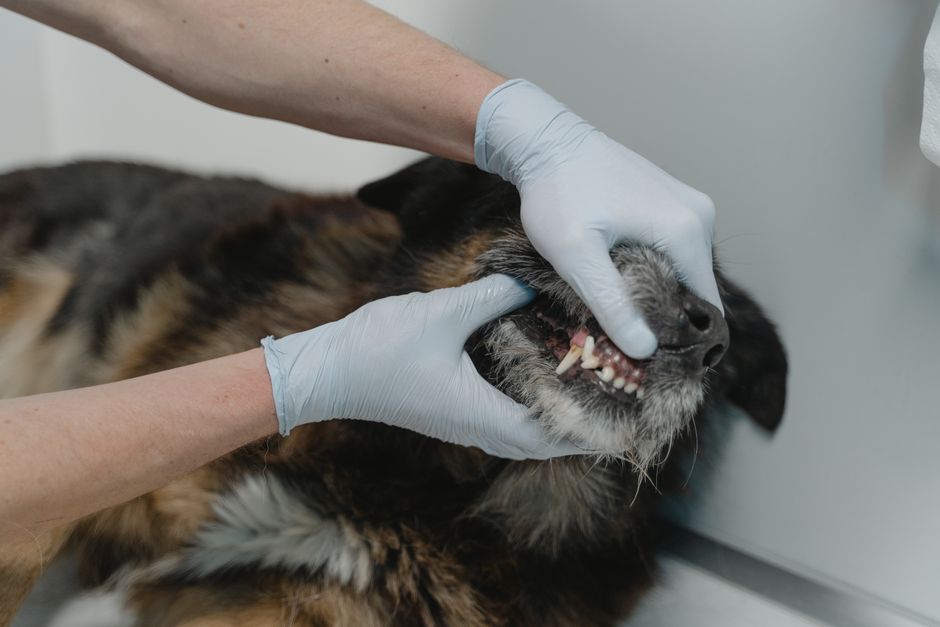
Regular veterinary visits play an important role in monitoring your puppy’s dental health during the teething period. Our veterinarians in Fort Mill will examine your puppy’s mouth as part of their wellness exams to ensure teeth are erupting in the correct order, baby teeth are falling out on schedule, and there are no signs of oral infections or complications. A common issue we watch for is retained baby teeth, which can require removal to prevent overcrowding or misaligned adult teeth.
If concerns arise—such as persistent baby teeth or abnormal bite alignment—your veterinarian may recommend further evaluation, including dental radiographs and dental imaging services for pets. These advanced diagnostics help us assess the roots and development of both baby and adult teeth. In rare cases, a minor procedure may be needed to extract a retained tooth, ensuring your puppy’s adult smile develops correctly.
At-Home Puppy Teething Care: Helping Your Dog Through the Process
Supporting your puppy through teething involves a combination of patience, supervision, and preventive care. Providing safe, vet-approved chew toys can satisfy their urge to gnaw while protecting your furniture and shoes. Chilled rubber toys or wet washcloths can offer additional relief to sore gums. It’s important to supervise playtime, as small pieces of toys or broken baby teeth could pose a choking risk.
Gently inspecting your puppy’s mouth at home helps you become familiar with their dental development and allows you to spot any retained baby teeth or signs of infection early. As soon as your puppy’s adult teeth begin to emerge, you can start introducing tooth brushing with a pet-safe toothpaste. This early habit sets the stage for lifelong oral health and makes future dental cleanings easier for both you and your dog.
When to Seek Veterinary Help During Puppy Teething
While most puppies breeze through teething with minimal issues, there are times when professional care is necessary. Contact our veterinary team if you notice persistent bleeding, swelling, strong oral odors, a reluctance to eat or drink for more than a day, or any loose baby teeth that do not fall out after adult teeth have erupted. These could be signs of dental infections, retained teeth, or other oral health concerns that require veterinary attention.
If you’re unsure whether your puppy’s teething is progressing normally, a wellness appointment can provide peace of mind. Our veterinarians can identify early warning signs of dental problems, recommend safe home care strategies, and perform procedures such as pet tooth extraction services when needed. Addressing dental concerns early prevents complications that could affect your dog’s comfort and long-term health.
The Importance of Early Dental Care: Setting Your Puppy Up for a Healthy Smile
The foundation for a lifetime of healthy teeth starts during puppyhood. Routine dental exams, proper home care, and professional cleanings help prevent plaque buildup, gum disease, and future tooth loss. At Greenway Animal Hospital, we emphasize the value of early dental care and provide resources for every stage of your pet’s life. Our professional dental cleaning services for pets are available for puppies and adult dogs alike, ensuring your companion’s smile stays bright and healthy.
By partnering with our veterinary team, you gain access to personalized dental care plans, modern diagnostic tools, and compassionate support tailored to your puppy’s unique needs. Whether you have questions about teething, need help selecting chew toys, or want to schedule your puppy’s first dental evaluation, we’re here for you every step of the way.
Frequently Asked Questions About Puppy Teething
How long does puppy teething last?
Most puppies begin teething at around three to four months of age, and the process is typically complete by six to seven months. During this period, your puppy will lose all 28 baby teeth and gain 42 adult teeth. Some breeds may finish teething a bit earlier or later, but this timeline covers the majority of dogs.
Is it normal to find baby teeth on the floor?
Yes, it is completely normal to find tiny, sharp teeth around your home during this stage. Puppies often swallow their baby teeth while chewing, so you might not find every one, but spotting a few on the ground is nothing to worry about.
Can I brush my puppy’s teeth during teething?
You can gently introduce tooth brushing once the adult teeth start erupting. Use a soft-bristled brush and pet-safe toothpaste, and keep sessions short and positive to help your puppy adjust. Early dental hygiene habits will benefit your dog throughout their life.
What if a baby tooth doesn’t fall out?
Retained baby teeth can cause problems by crowding adult teeth or trapping food and bacteria. If you notice a baby tooth that remains after the adult tooth has emerged, schedule a visit with your veterinarian to evaluate if extraction is necessary.
Supporting Your Puppy’s Dental Health in Fort Mill
Understanding the answer to "do dogs have baby teeth" empowers you to support your puppy’s healthy development and prevent dental issues down the road. If you’re looking for a compassionate "vet near me" in Fort Mill or the surrounding area, Greenway Animal Hospital offers comprehensive dental care, from routine checkups to advanced dental procedures. Our dedicated veterinary professionals are here to answer your questions, provide tailored advice, and ensure your puppy’s smile is as healthy as it is adorable.
If you have concerns about your puppy’s teething, want to schedule a dental exam, or need help choosing safe chew toys, contact our team today at (803) 239-4477 or visit us at 887 Gold Hill Rd Suite D and E, Fort Mill, SC 29708. For more information on our full range of dental services, explore our professional dental cleaning services for pets and dental radiographs and dental imaging services for pets. At Greenway Animal Hospital, we’re committed to helping every puppy in Fort Mill grow up with a strong, healthy smile—starting from their very first baby tooth.



.svg)


