
Do Dogs Have Baby Teeth? What Pet Owners Should Know
Do Dogs Have Baby Teeth? What Pet Owners Should Know
If you’re raising a puppy, you may have found yourself asking, “Do dogs have baby teeth?” It’s a common question among pet owners, especially when you notice your puppy chewing relentlessly or even spotting a tiny tooth on the floor. Just like children, puppies go through a teething phase that plays a crucial role in their development and lifelong dental health. At Greenway Animal Hospital in Fort Mill, SC, our veterinary team is dedicated to guiding you through every stage of your dog’s life, from puppyhood to their golden years. In this guide, we’ll explain everything you need to know about puppy teeth, how and when dogs lose their baby teeth, signs of dental concerns, and how regular veterinary dental care supports healthy smiles for years to come.
Whether you’re a first-time dog owner or looking to brush up on puppy care, understanding your dog’s dental milestones can help you ensure the best start for your furry family member. Read on to learn more about what to expect during the teething process, when to schedule a dental checkup, and how Greenway Animal Hospital supports your pet’s oral health in Fort Mill and surrounding communities.
Recognizing Puppy Teething: Signs Your Dog Has Baby Teeth
Understanding whether dogs have baby teeth is the first step to supporting your puppy’s health and comfort. Puppies are born without teeth, but by about three weeks of age, their first set of teeth—also known as deciduous or baby teeth—begin to erupt. By the time your puppy is six to eight weeks old, most will have a full set of 28 baby teeth.
During this stage, you may notice a few telltale signs that your puppy is teething. Increased chewing is one of the most common behaviors, as puppies seek relief from the discomfort of new teeth breaking through the gums. You might observe your puppy gnawing on toys, household objects, or even your fingers. Mild swelling or redness of the gums is also common, and some puppies may have a slight decrease in appetite or increased drooling. Occasionally, you may find a tiny, sharp tooth on the floor or embedded in a favorite toy.
While teething is a normal developmental phase, it’s important to watch for signs of trouble. Persistent bleeding, severe discomfort, or reluctance to eat could indicate a problem that requires veterinary attention. Our veterinarians at Greenway Animal Hospital can help assess your puppy’s mouth and ensure they’re on track for healthy adult teeth.
Why Do Dogs Have Baby Teeth? Understanding the Teething Process
Pet owners often wonder why dogs have baby teeth in the first place. The answer lies in the way puppies grow and develop. Baby teeth are designed to fit comfortably in a puppy’s small mouth, helping them learn to eat solid food and explore the world around them. As puppies mature and their jaws grow, these baby teeth become too small and are naturally replaced by a set of permanent adult teeth.
The timeline for losing baby teeth typically begins around 12 to 16 weeks of age. The process continues until your puppy is about six months old, by which time most dogs have a complete set of 42 adult teeth. This transition period is when you’ll notice the most chewing, and some puppies may experience mild discomfort or gum irritation as the adult teeth push out the baby teeth.
Occasionally, a baby tooth will not fall out on its own—a condition known as a retained deciduous tooth. Retained baby teeth can lead to crowding, improper alignment, and an increased risk of dental disease. If you notice your puppy has both a baby tooth and an adult tooth occupying the same spot, it’s a good idea to schedule an appointment with our team for an evaluation.
Common Dental Concerns During Puppy Teething
While teething is a routine part of puppy development, there can be complications that require veterinary attention. One of the most common concerns is retained baby teeth, which can interfere with the proper placement of adult teeth and make cleaning more difficult. This can lead to tartar buildup, gum inflammation, and eventually periodontal disease.
Symptoms to watch for include persistent bad breath, visible tartar, red or swollen gums, and discomfort while eating. If your puppy is pawing at their mouth, refusing food, or you notice any bleeding, these can be signs of a dental issue that should be addressed promptly.
In some cases, professional intervention may be necessary. Our veterinarians at Greenway Animal Hospital can perform a thorough oral examination, and if needed, recommend pet tooth extraction services to remove retained baby teeth safely and comfortably. Early intervention ensures your puppy’s adult teeth develop correctly, reducing the risk of long-term dental problems.
Professional Dental Care for Puppies at Greenway Animal Hospital
Establishing good dental care routines early is one of the best ways to protect your puppy’s health. At Greenway Animal Hospital, we offer comprehensive dental services tailored to puppies and adult dogs alike. During your puppy’s wellness visits, our veterinarians will examine their mouth, monitor the progress of teething, and check for any signs of retained teeth, misalignment, or gum disease.
If dental issues are found, we may recommend pet dental cleaning services to remove plaque and tartar, or provide advice on at-home tooth brushing techniques. For cases where advanced care is needed, such as abnormal tooth development or oral injuries, our veterinary team can discuss further diagnostics or treatment options, including pet dental surgery services.
Routine dental checkups not only support healthy teeth and gums, but also help prevent future problems that could affect your dog’s overall wellbeing. Our commitment to personalized, gentle care ensures that even the youngest patients feel comfortable and secure during every visit.
At-Home Care: Supporting Your Puppy’s Dental Health
Pet owners play a key role in their puppy’s dental health, especially during the teething phase. Safe, durable chew toys are excellent for soothing sore gums and redirecting unwanted chewing behavior. Always choose products designed for puppies to avoid damaging their delicate baby teeth.
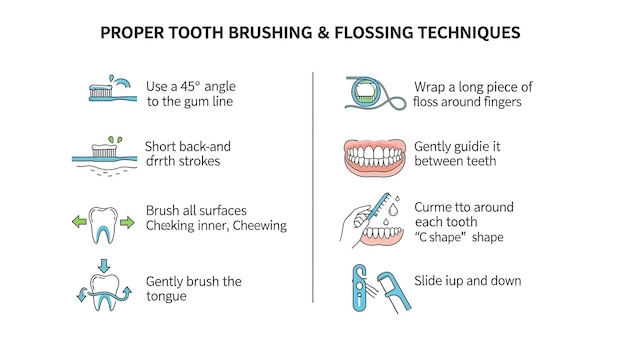
Introducing tooth brushing early sets the stage for a lifetime of good oral hygiene. Begin by gently handling your puppy’s mouth and teeth, using a soft-bristled toothbrush and pet-safe toothpaste. Gradually build up to a consistent brushing routine, aiming for daily or several-times-weekly brushing as your puppy grows.
Keep an eye out for any changes in your puppy’s mouth, such as broken teeth, swelling, or unusual odor. Promptly addressing these issues with your veterinarian helps catch problems before they become serious.
When to Schedule a Veterinary Visit for Your Puppy’s Teeth
Knowing when to seek veterinary care is essential for preventing complications during your puppy’s teething process. Schedule a visit if you notice your puppy has both a baby tooth and an adult tooth in the same area after six months of age, as this may require removal to prevent crowding or misalignment.
Other reasons to contact our veterinary team include persistent bad breath, bleeding gums, difficulty eating, or visible discomfort. Routine wellness exams are the perfect time to discuss your puppy’s dental development and receive professional guidance tailored to their needs.
Our veterinarians at Greenway Animal Hospital are experienced in addressing all aspects of puppy dental care, from monitoring teething milestones to providing advanced treatments when needed. We’re here to answer your questions and help your puppy achieve a healthy, happy smile.
Setting Your Puppy Up for a Lifetime of Healthy Teeth
Understanding the answer to the question, “Do dogs have baby teeth?” can make a world of difference in how you care for your puppy’s mouth. Puppies, just like children, benefit from attentive dental care and regular veterinary checkups. By supporting your puppy through the teething phase and establishing good oral hygiene habits, you lay the foundation for strong, healthy adult teeth.
At Greenway Animal Hospital in 887 Gold Hill Rd Suite D and E, Fort Mill SC 29708, our compassionate veterinary team is committed to providing the highest standard of dental care for every stage of your dog’s life. If you’re searching for a trusted “vet near me” for puppy dental health, look no further than our dedicated professionals. We invite you to schedule an appointment by calling (803) 239-4477 or visiting us in Fort Mill and surrounding communities.
For more information about our dental services, including pet dental cleaning services, pet tooth extraction services, and pet dental surgery services, our team is always ready to help you and your puppy maintain a healthy smile. Let us be your partner in every chapter of your dog’s life, starting with those very first baby teeth.
This article is intended for educational purposes only and should not be considered a substitute for professional veterinary advice. If you have specific concerns about your puppy’s dental health, consult with your veterinarian for personalized recommendations.



.svg)


