
Dog Abscess Tooth: Signs, Risks, and Treatment Options
Dog Abscess Tooth: Signs, Risks, and Treatment Options
When your dog seems uncomfortable at mealtime or develops sudden swelling around the mouth, it’s natural to worry about what’s going on beneath the surface. Dental problems are more common in dogs than many pet owners realize, and one of the most painful issues is a dog abscess tooth. At Greenway Animal Hospital, located at 887 Gold Hill Rd Suite D and E, Fort Mill, SC 29708, our veterinary team understands how distressing it can be to see your companion in pain. In this comprehensive guide, we’ll help you recognize the signs of a dog abscess tooth, explain the underlying causes, discuss the risks to your pet’s health, and review modern treatment options available here in Fort Mill and the surrounding communities. If you think your dog might be suffering from a dental abscess, scheduling an appointment with our compassionate team is the first step to restoring your pet’s health and comfort.
Recognizing the Signs of a Dog Abscess Tooth
Dental abscesses in dogs can develop quickly or progress over time, but the discomfort they cause is always significant. Key symptoms include swelling along the jawline or under the eye, which may appear suddenly or gradually. You might notice your dog pawing at the side of their face, favoring one side while chewing, or refusing hard food and treats altogether. Additionally, a foul odor from the mouth often accompanies an abscess, and you may spot pus or bloody discharge along the gumline. Other signs are drooling, decreased appetite, and general lethargy. Sometimes, a dog with an abscessed tooth will become irritable or withdrawn due to the pain. In advanced cases, the area around the affected tooth can even form a draining tract, releasing pus onto the fur.
It’s important to remember that not every dog will show all these symptoms. Some pets are especially stoic and may only display subtle changes in behavior or appetite. Regular wellness exams and dental checks are key to catching dental problems early, before they become more severe. If you notice any combination of these signs, especially persistent swelling or pain in your dog’s mouth, it’s time to contact a veterinary professional for a thorough evaluation.
What Causes Tooth Abscesses in Dogs?
Understanding why a dog abscess tooth develops can help you take steps to protect your pet’s oral health. The most common cause is advanced periodontal disease, which occurs when bacteria in dental plaque and tartar invade below the gumline. Over time, this bacterial invasion erodes the tooth’s supporting structures, creating pockets where infection can flourish. Eventually, bacteria reach the roots and pulp chamber, triggering a painful abscess.
Other causes are trauma to the tooth, such as a fractured or broken tooth from chewing hard objects like bones, antlers, or rocks. When the enamel and dentin are breached, bacteria gain direct access to the sensitive tissues inside the tooth. Additionally, retained baby teeth, oral tumors, or underlying immune system problems may contribute to abscess formation. Certain breeds with crowded or misaligned teeth may be at higher risk for dental issues, making routine dental care and exams especially important.
Environmental factors, including a diet of primarily soft or sticky foods, can also encourage plaque buildup and subsequent dental disease. Without regular dental cleaning, bacteria have a greater opportunity to proliferate, setting the stage for abscesses to develop.
Risks and Complications of Untreated Dental Abscesses
Leaving a dog abscess tooth untreated can have serious consequences beyond oral pain. The infection can spread to other teeth, leading to widespread dental disease and additional abscesses. In severe cases, the bacteria may enter the bloodstream, potentially causing heart, liver, or kidney complications—a condition known as bacteremia.
Local complications are also a concern. Untreated abscesses can erode the bone of the jaw, weaken the surrounding teeth, and even create facial deformities if the infection causes significant tissue damage. Chronic pain can lead to marked changes in your dog’s personality, diminishing their quality of life. For these reasons, prompt veterinary intervention is essential whenever an abscessed tooth is suspected.
How Our Veterinary Team Diagnoses a Dog Abscess Tooth
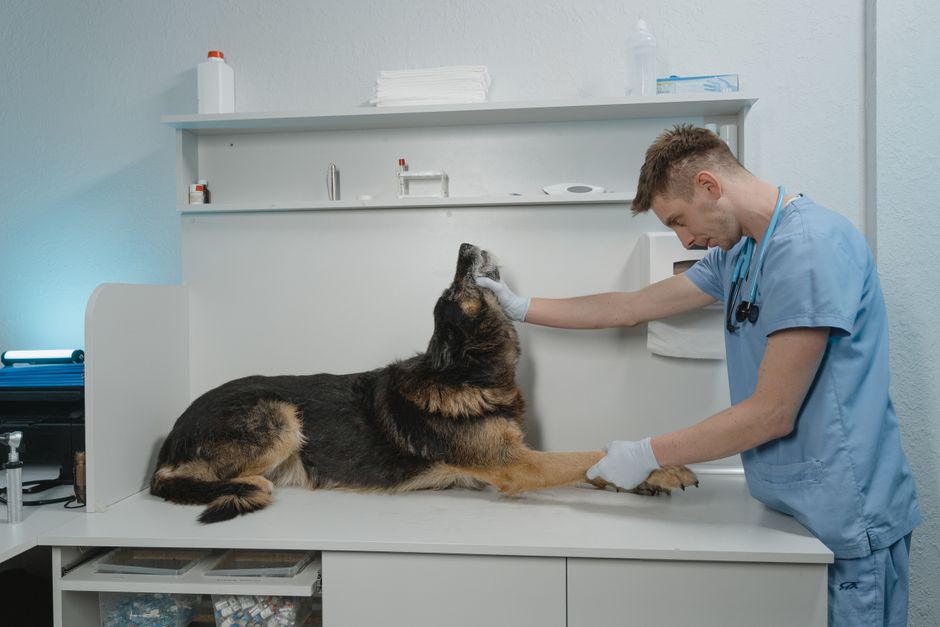
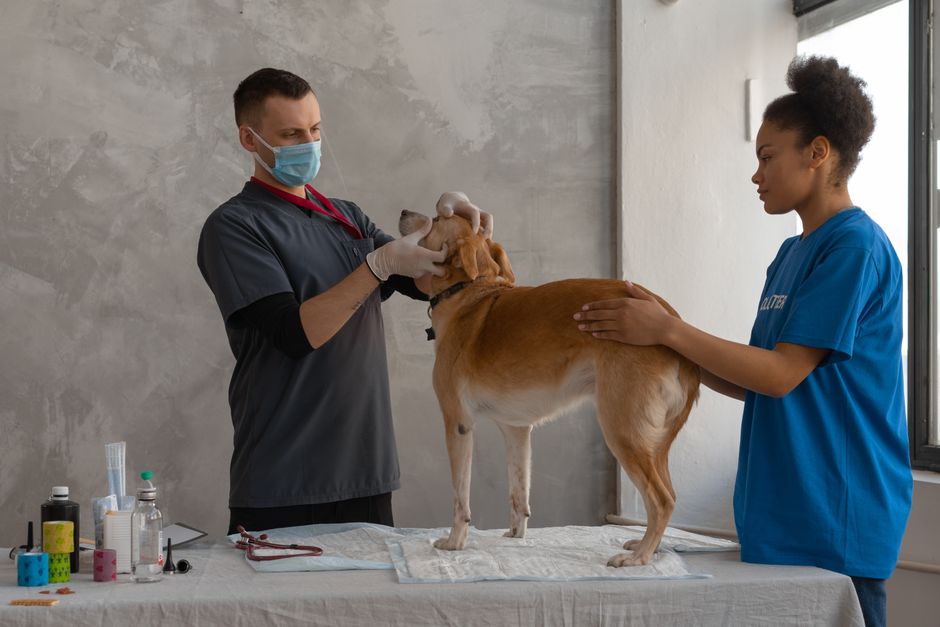
At Greenway Animal Hospital, we use a combination of physical examination, dental probing, and advanced imaging to diagnose dental abscesses in dogs. During your pet’s visit, our veterinarians will carefully examine your dog’s mouth for visual signs of swelling, redness, or discharge. We often recommend dental radiography to assess the extent of the infection beneath the gumline and to determine if surrounding teeth or bone are involved.
Dental X-rays are invaluable for visualizing root abscesses or hidden pockets of infection that are not visible during a standard oral exam. This thorough approach ensures we develop an effective and targeted treatment plan, tailored to your dog’s specific needs.
Treatment Options for a Dog Abscess Tooth
When it comes to treating a dog abscess tooth, our primary goals are to eliminate the infection, relieve your pet’s pain, and prevent further complications. Treatment options involve a combination of medical management and dental procedures, depending on the severity of the abscess and the overall health of your dog.
In most cases, the recommended course of action is extraction of the affected tooth. Pet tooth extractions are performed under anesthesia to ensure your dog’s comfort and safety. Our veterinary team will carefully remove the infected tooth, thoroughly clean the socket, and prescribe antibiotics to control any remaining infection. Pain management is an essential part of the recovery process, and we tailor medications to your dog’s age, size, and specific needs.
For some dogs, especially when multiple teeth are affected or the abscess is particularly deep, more advanced pet oral surgery may be necessary. This can involve removing infected tissue, repairing damage to the jawbone, or addressing other underlying dental conditions discovered during the procedure. Throughout the entire process, our veterinarians closely monitor your dog and provide clear guidance on aftercare and recovery at home.
Occasionally, if the abscess is caught very early, antibiotics and pain relief may provide temporary improvement; however, without removing the source of infection, the problem is likely to return. That’s why definitive treatment almost always involves addressing the affected tooth directly.
Preventing Dental Abscesses in Dogs
While some dental issues are unavoidable, many abscesses can be prevented with proactive home care and professional veterinary support. Steps to reduce your dog’s risk include regular brushing of your dog’s teeth at home using pet-safe toothpaste and a soft brush. Aim for daily brushing, but even a few times a week can make a significant difference in reducing plaque and tartar buildup.
Incorporating dental-friendly chews and toys can help keep teeth cleaner between professional cleanings, but always avoid hard items that could fracture teeth. Schedule routine veterinary dental cleaning appointments, as these allow our team to access areas below the gumline and identify problems early. Your veterinarian can also provide personalized recommendations on diet, supplements, and home dental care routines tailored to your dog’s needs.
If your dog belongs to a breed with a higher risk for dental disease, such as small breeds or brachycephalic (flat-faced) breeds, more frequent checkups and specialized care may be necessary. Staying alert to subtle changes in your dog’s eating habits, breath, or oral comfort helps catch problems before they escalate.
When to Seek Veterinary Care for Your Dog’s Dental Health
Prompt veterinary attention is essential whenever you notice signs of a dog abscess tooth. Contact your veterinarian immediately if you observe swelling around your dog’s face or jaw, visible pus or bleeding from the gums, persistent bad breath, difficulty eating, or sudden changes in demeanor and appetite. Even if the symptoms seem mild, early intervention can prevent more serious complications.
If your dog has a history of dental problems or previous abscesses, regular follow-up appointments are important for ongoing monitoring. Our veterinary team at Greenway Animal Hospital encourages pet owners to schedule dental evaluations as part of their pet’s overall wellness plan. Remember, dental pain can be subtle, and your dog relies on you to detect changes and advocate for their health.
Supporting Your Dog’s Comfort at Home
While veterinary care is crucial for treating a dog abscess tooth, there are steps you can take at home to support your dog’s recovery and comfort. After dental procedures, follow your veterinarian’s instructions for feeding, medication administration, and activity restrictions. Offer soft food for several days if recommended, and monitor your dog for any signs of discomfort, swelling, or reluctance to eat.
Continue practicing good oral hygiene by gradually reintroducing tooth brushing once your pet has healed. Positive reinforcement can make dental care a stress-free experience for both you and your dog. If you have any concerns about your dog’s recovery, don’t hesitate to reach out to our team for guidance.
Why Choose Greenway Animal Hospital for Dog Dental Care in Fort Mill?
At Greenway Animal Hospital, we believe every pet deserves a healthy, pain-free smile. Our modern facility in Fort Mill features state-of-the-art dental equipment, digital radiography, and a dedicated team of veterinary professionals who are passionate about preventive care and gentle treatment. We take the time to get to know you and your pet, answer your questions, and create an individualized plan that fits your lifestyle and your dog’s needs.
Whether your dog requires a routine dental cleaning, advanced oral surgery, or compassionate support for a dental emergency, we are here for you at every step. Our extended appointment times and personalized approach ensure your concerns are addressed and your dog receives the highest quality care.
Take the Next Step Toward Your Dog’s Healthiest Smile
If you suspect your dog may have a dental abscess or are concerned about any aspect of your pet’s oral health, don’t wait—schedule an appointment with the Greenway Animal Hospital team today. Our experienced veterinarians are ready to help your dog find relief and restore their quality of life. When searching for a veterinarian near me in Fort Mill, look for a practice that offers comprehensive dental examinations, advanced imaging, and a full range of treatment options.
To learn more about our dental cleaning services, tooth extractions, or oral surgery capabilities, visit our website or call (803) 239-4477 to schedule your pet’s dental exam. You can also stop by our convenient location at 887 Gold Hill Rd Suite D and E, Fort Mill, SC 29708 for more information or to meet our friendly veterinary team. Your dog’s comfort and long-term wellness are always our top priorities.
This blog is intended for informational purposes only and should not be used as a substitute for professional veterinary advice. If you have concerns about your dog’s health, please contact your veterinarian directly.



.svg)


