
Dog Cavities Treatment: Protecting Your Pet’s Dental Health
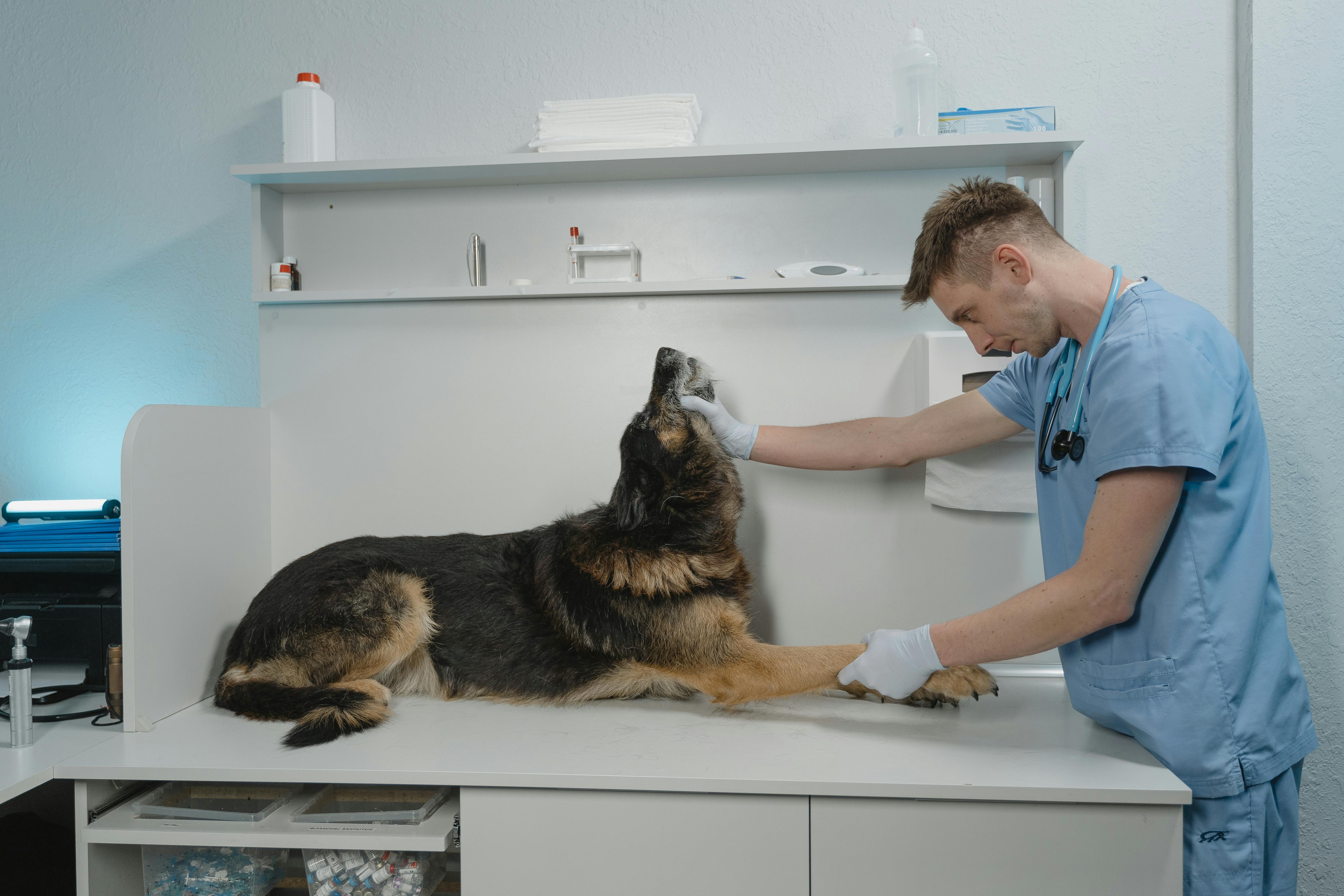
Dog Cavities Treatment: Protecting Your Pet’s Dental Health
If you have ever wondered whether dogs get cavities or how to ensure your pup’s mouth stays healthy, you are not alone. Dental health is just as important for dogs as it is for people, yet many pet owners are surprised to learn that dog cavities can cause significant discomfort and even lead to more serious health issues if left untreated. At Greenway Animal Hospital, located at 887 Gold Hill Rd Suite D and E, Fort Mill, SC 29708, we believe in proactive dental care to keep your dog’s smile bright and pain-free. In this blog, we will explain how to recognize the signs of cavities in dogs, discuss the causes, walk through dog cavities treatment, and share how you can help prevent dental disease at home. You will also learn why professional care from our compassionate veterinary team is essential for your pet’s overall wellbeing and comfort.
How to Recognize Cavities in Your Dog
Many pet owners are vigilant about their dog’s overall health, but signs of dental problems can be subtle at first. Cavities, also known as caries, are less common in dogs than in humans, but they do occur. Recognizing them early is key to preventing pain and complications.
Symptoms that might indicate a cavity in your dog include bad breath that does not resolve with routine cleaning, visible dark spots or holes on the tooth surface, and changes in eating habits such as dropping food or chewing only on one side of the mouth. Your dog may also paw at the mouth, seem unusually sensitive when you touch their muzzle, or show signs of discomfort during play with chew toys. In some cases, you might notice swelling around the gums, bleeding, or even pus if the cavity has led to infection.
It is important to keep in mind that many dogs are excellent at hiding pain. You might only notice subtle behavior changes, such as your dog being less interested in their favorite treats, avoiding crunchy food, or acting withdrawn. If you observe any of these signs, it is time to consider a dental evaluation.
What Causes Cavities in Dogs?
Understanding how cavities develop can help you take proactive steps to protect your dog’s teeth. Cavities in dogs form when bacteria in the mouth break down food particles, producing acids that erode the tooth’s hard outer enamel. Over time, this process creates soft spots and eventual holes, or cavities, in the tooth.
Several factors can increase the risk of cavities in dogs. These include diets high in carbohydrates or sugar, irregular or infrequent tooth brushing, and certain breeds with crowded or misaligned teeth, which create more hiding spots for bacteria. Dogs with underlying health conditions that affect saliva production may also be at higher risk, as saliva helps neutralize acids and wash away debris.
Additionally, older dogs are more likely to develop cavities due to natural wear and tear on their teeth. Just like people, dogs accumulate plaque and tartar over time, which, if not addressed with regular cleanings, can lead to a variety of dental issues including cavities, gum disease, and infections.
Dog Cavities Treatment: What to Expect
Once a cavity is identified, prompt dog cavities treatment is crucial to relieve your dog’s discomfort and prevent the problem from worsening. At Greenway Animal Hospital, our veterinary team follows a thorough, compassionate approach tailored to your dog’s needs.
Diagnosis and Assessment
The first step in dog cavities treatment is a comprehensive oral examination. We may recommend dental radiography to evaluate the extent of the cavity and ensure there are no hidden issues beneath the gumline. Dental X-rays allow us to see the roots of the teeth and the surrounding bone structure, which is vital for planning effective treatment.
Professional Cleaning and Repair
If the cavity is small and detected early, cleaning the affected area and applying a specialized dental sealant might be sufficient to halt progression. However, most cavities in dogs are discovered after some degree of tooth damage has occurred, making more involved dog cavities treatment necessary.
For moderate to severe cavities, the most common treatment involves removing the decayed portion of the tooth. Depending on how deep the cavity is, our veterinarians may recommend restorative procedures, such as filling the hole with a dental composite, or, in more advanced cases, performing a pet tooth extraction to prevent further pain and infection.
In some cases, more complex pet dental surgery may be required, especially if the cavity has led to an abscess, damaged neighboring teeth, or caused significant gum inflammation. All dental procedures are performed under anesthesia to ensure your dog’s comfort and safety. After treatment, our team will provide thorough aftercare instructions and pain management as needed.
Monitoring and Follow-Up
After a cavity has been treated, regular dental checkups are essential. We will monitor your dog’s healing progress and help you develop a personalized dental care routine to reduce the risk of future problems.
Preventing Cavities and Promoting Dental Health at Home
While professional cleanings are vital, much of your dog’s dental health depends on what happens at home. Preventing cavities starts with daily or at least several-times-weekly tooth brushing using pet-safe toothpaste. Brushing helps remove food particles and plaque before they can feed bacteria.
Dental chews, toys designed to help clean teeth, and prescription dental diets can also be part of your dog’s oral care routine. Always choose products recommended by your veterinarian, as some over-the-counter chews may not be effective or safe for all dogs. Encouraging water consumption helps rinse away food debris and supports healthy saliva production.
Regularly inspecting your dog’s mouth for signs of trouble—such as red or swollen gums, tartar buildup, or loose teeth—can help you catch issues early. If your dog is resistant to having their mouth handled, our team can provide tips and demonstrations during your pet’s next wellness exam.
Scheduling routine pet dental cleaning services at Greenway Animal Hospital is one of the most effective ways to prevent cavities and other dental problems. These professional cleanings remove plaque and tartar from hard-to-reach areas and give our veterinarians the opportunity to spot early signs of disease.
When to Seek Veterinary Care for Your Dog’s Teeth
If you notice any changes in your dog’s mouth, eating habits, or behavior, it is important to schedule an appointment with a veterinarian as soon as possible. Symptoms that warrant immediate attention include persistent bad breath, visible holes or dark spots on teeth, bleeding or swollen gums, difficulty eating, excessive drooling, or signs of pain around the mouth.
Delaying treatment for a suspected cavity can lead to complications such as tooth abscesses, jaw infections, and even systemic health problems as bacteria enter the bloodstream. Early intervention with professional dog cavities treatment gives your pet the best chance for a quick, comfortable recovery.
At Greenway Animal Hospital, we understand that your dog is a cherished member of your family. Our veterinary professionals are here to answer your questions, provide gentle care, and ensure your pet’s dental health is always a top priority.
Supporting Your Dog’s Bright Smile in Fort Mill
Dental health is a cornerstone of your dog’s overall wellbeing, and cavities are just one of many dental issues that can impact their happiness and quality of life. By recognizing the signs of cavities, understanding their causes, and seeking timely dog cavities treatment, you can protect your dog from unnecessary pain and prevent long-term complications.
If you are searching for a veterinarian near me who truly understands the importance of comprehensive dental care, look no further than Greenway Animal Hospital. Our team of veterinarians in Fort Mill and surrounding communities is committed to helping your dog enjoy a healthy, pain-free smile for years to come. Whether your pup needs a dental checkup, professional cleaning, or advanced dog cavities treatment, we are here to help.
Schedule your dog’s dental exam today by calling (803) 239-4477 or visiting us at 887 Gold Hill Rd Suite D and E, Fort Mill, SC 29708. Let our veterinary team support your commitment to your dog’s lifelong health and happiness.
This blog is for informational purposes only and does not replace professional veterinary advice. If you have concerns about your dog’s dental health or suspect they may have a cavity, please contact your veterinarian for an accurate diagnosis and tailored treatment plan.




.svg)


