
Essential Spring Prep Tips for Fort Mill Pet Owners

Essential Spring Prep Tips for Fort Mill Pet Owners
As the last chills of February fade away and the promise of spring emerges in Fort Mill, local pet owners start preparing for long walks, backyard play, and the return of outdoor adventures. But with warmer weather also comes a fresh set of considerations for your pet’s health and comfort. At Greenway Animal Hospital, located at 887 Gold Hill Rd Suite D and E, Fort Mill, SC 29708, our team of veterinarians is here to help you and your pets transition smoothly into the new season. From preventive care and wellness exams to advice on seasonal safety, we are committed to providing support tailored to your pet’s unique needs.
In this guide, we’ll walk you through the key steps to ensure your pet is ready for a healthy, happy spring. You’ll learn how to spot seasonal concerns, understand why spring brings new challenges, discover how professional veterinary care can help, and pick up actionable tips for prevention at home. Whether you’re a longtime resident of Fort Mill or new to the area, Greenway Animal Hospital is your trusted partner for comprehensive veterinary care. Let’s get your pet started on the right paw this spring.
Recognizing Springtime Health Concerns for Your Pet
As the weather turns warmer and days grow longer, pets often show a renewed enthusiasm for the outdoors. However, spring also brings specific risks and health considerations that pet owners in Fort Mill and surrounding communities should watch for. Many pets may develop symptoms such as increased itching or scratching, which can signal allergies to pollen, grasses, or budding plants common in our region. Other warning signs include new hotspots, changes in coat quality, or red, watery eyes. Additionally, the uptick in outdoor activity can lead to exposure to ticks, fleas, and other parasites, as well as the risk of ingesting plants or chemicals used in spring landscaping.
Another seasonal concern is the increased potential for infectious diseases as more pets gather in parks and public spaces. Signs such as coughing, sneezing, or gastrointestinal upset may indicate exposure to contagious illnesses, especially in unvaccinated pets. The spring thaw can also uncover hazards left behind after winter, including sharp debris, standing water that harbors bacteria, or even rodenticides used in gardens. Observing these changes in your pet’s behavior or appearance is the first step in keeping them healthy as the season shifts.
Why Spring Brings Unique Pet Care Challenges in Fort Mill
Spring in Fort Mill is marked by rising temperatures, blooming vegetation, and greater opportunities for pets to explore. While these changes bring joy, they also create a perfect environment for certain health issues. Pollen counts soar, which can trigger environmental allergies in both dogs and cats. The surge in insect populations means that fleas, ticks, and mosquitoes become more active, increasing the risk of vector-borne diseases such as Lyme disease, ehrlichiosis, and heartworm. Our region’s mild, humid climate encourages early parasite activity, so pets who spend time outdoors are particularly vulnerable.
With more daylight, pet owners tend to increase the frequency and length of walks, hikes, and backyard time. While this is beneficial for physical and mental well-being, it can also lead to overexertion or exposure to hazards like sharp sticks, thorns, or even snakes emerging from hibernation. Seasonal landscaping efforts can introduce fertilizers, mulch, and other chemicals that are harmful if ingested by curious pets. The temptation of stagnant puddles or ponds can expose pets to leptospirosis or other waterborne pathogens. Understanding these spring-specific risks helps you stay proactive about your pet’s health and safety.
How Greenway Animal Hospital Supports Your Pet’s Spring Wellness
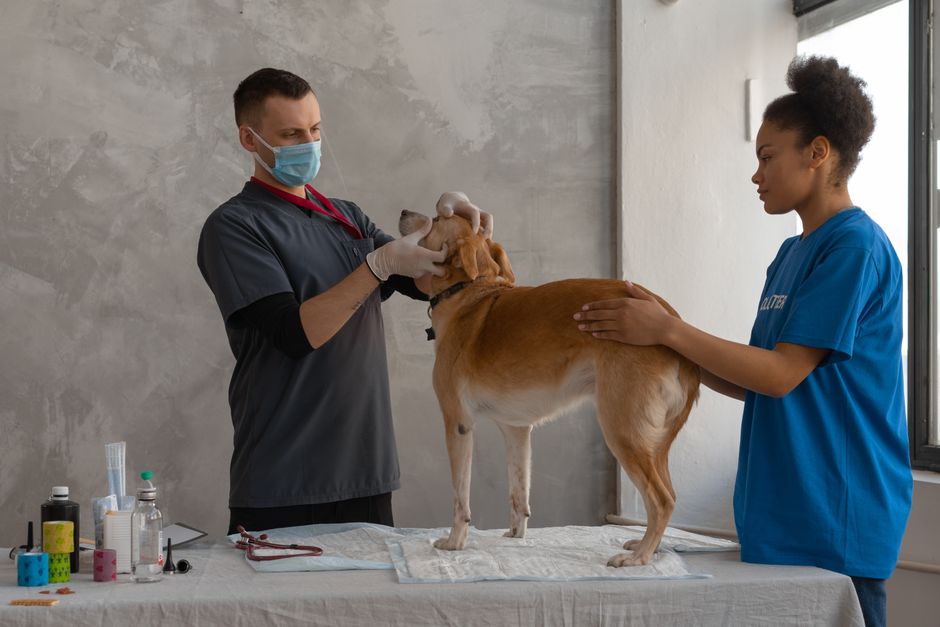
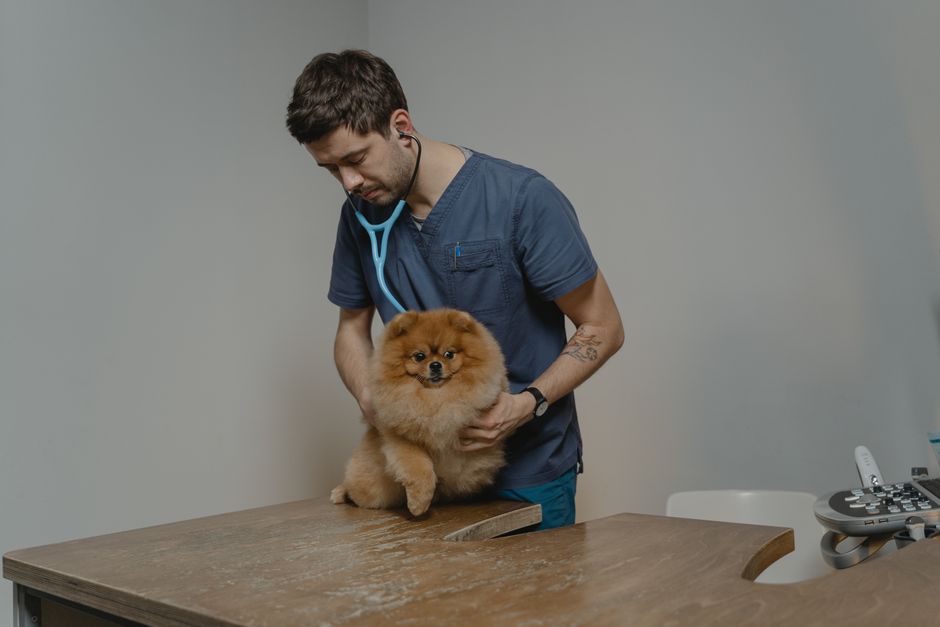
Professional veterinary care plays a vital role in preparing your pet for a healthy spring. Our veterinary team recommends a comprehensive wellness examination as a foundation for seasonal health. During your pet’s visit at Greenway Animal Hospital, we’ll thoroughly assess their condition, review their vaccination status, and discuss external parasite prevention appropriate for the local environment. Routine wellness checks help catch early signs of allergies or skin conditions, ensuring prompt and effective care.
For pets with a history of allergies or chronic skin issues, our veterinarians may suggest diagnostic testing or targeted therapies to manage symptoms. If your pet is due for annual vaccines, such as those protecting against leptospirosis, bordetella, or canine influenza, spring is an ideal time to update these immunizations. Our wellness examination services are designed to provide a thorough baseline of your pet’s health, allowing us to tailor recommendations for their specific lifestyle and risk factors.
Preventive care also extends to dental health. As pets chew more on springtime grasses or sticks, underlying dental issues may surface. Scheduling a dental cleaning can prevent more serious dental disease and improve overall comfort. Should your pet develop any concerning symptoms, such as persistent itching or digestive upset, our in-house diagnostic lab allows us to quickly identify and address the underlying cause, providing peace of mind as the season changes.
Home Strategies for Springtime Pet Health
Taking proactive steps at home is essential for keeping your pet safe during the spring months. Begin by monitoring your pet’s exposure to known allergens in your yard or neighborhood; regular bathing or gentle wiping of paws and coat after outdoor activities can help reduce pollen and irritants. Check your pet for ticks and fleas after time spent outside, paying close attention to less visible areas like between the toes or under the collar. Using veterinarian-recommended parasite prevention year-round is especially important in our region, where mild winters allow pests to thrive even in early spring.
As you prepare your garden, store fertilizers, insecticides, and mulches safely out of reach, ensuring your pet cannot access or ingest these substances. Remove any sharp debris or litter from yards and walking paths to prevent injuries. When planning outdoor excursions, keep fresh water available to discourage your pet from drinking from puddles or standing water, which may harbor harmful bacteria or parasites.
Spring is also a great time to review your pet’s diet and exercise routine. With increased activity, your pet may need adjustments in nutrition or portion size. Watch for signs of overexertion, such as excessive panting or limping, and gradually build up activity levels after a more sedentary winter. For pets displaying behavioral changes like restlessness or anxiety, a behavior consultation can help address underlying issues and provide strategies to enhance your pet’s well-being.
When to Seek Veterinary Care as Spring Approaches
While many seasonal shifts can be managed at home, certain symptoms or situations require prompt veterinary attention. If your pet develops persistent itching, severe skin irritation, or signs of infection such as oozing sores or hair loss, it is important to schedule an appointment with our veterinary professionals. Sudden changes in appetite, vomiting, diarrhea, or respiratory symptoms like coughing and sneezing should also be evaluated, as these may indicate exposure to infectious diseases or toxins.
If you notice a tick attached to your pet or find fleas despite preventive measures, our team can provide guidance on safe removal and recommend the most effective treatments. Should your pet ingest any garden chemicals, unfamiliar plants, or foreign objects, contact Greenway Animal Hospital immediately for advice. Additionally, if your pet experiences lethargy, difficulty breathing, or sudden collapse during spring outings, seek emergency care at once.
For pets due for annual vaccines or wellness exams, scheduling a spring appointment ensures they are protected and prepared for the active months ahead. Our vaccination services and comprehensive preventive care are designed to meet the unique needs of Fort Mill pets as the weather warms up.
Setting Your Pet Up for a Vibrant Spring
Spring in Fort Mill is a season of renewal and adventure for you and your pet. By recognizing early warning signs, understanding the unique challenges of the season, and taking action through both home care and professional veterinary support, you can help your pet thrive as temperatures rise. Remember that preventive care, such as regular wellness examinations and up-to-date vaccinations, is the best defense against many common springtime risks.
If you’re searching for a reliable "vet near me" to guide you through seasonal transitions, look no further than Greenway Animal Hospital. Our veterinary team is dedicated to providing personalized, compassionate care for pets in Fort Mill and surrounding communities. To schedule your pet’s spring wellness exam or discuss any seasonal concerns, call us at (803) 239-4477 or visit us at 887 Gold Hill Rd Suite D and E, Fort Mill, SC 29708. Together, we’ll ensure your companion enjoys a safe, healthy, and joyful spring.
This blog is intended for informational purposes only and should not be considered a substitute for professional veterinary advice. If you have concerns about your pet’s health, please consult your veterinarian.


.svg)


