
Is Your Cat Hiding Pain? Signs Every Owner Should Know
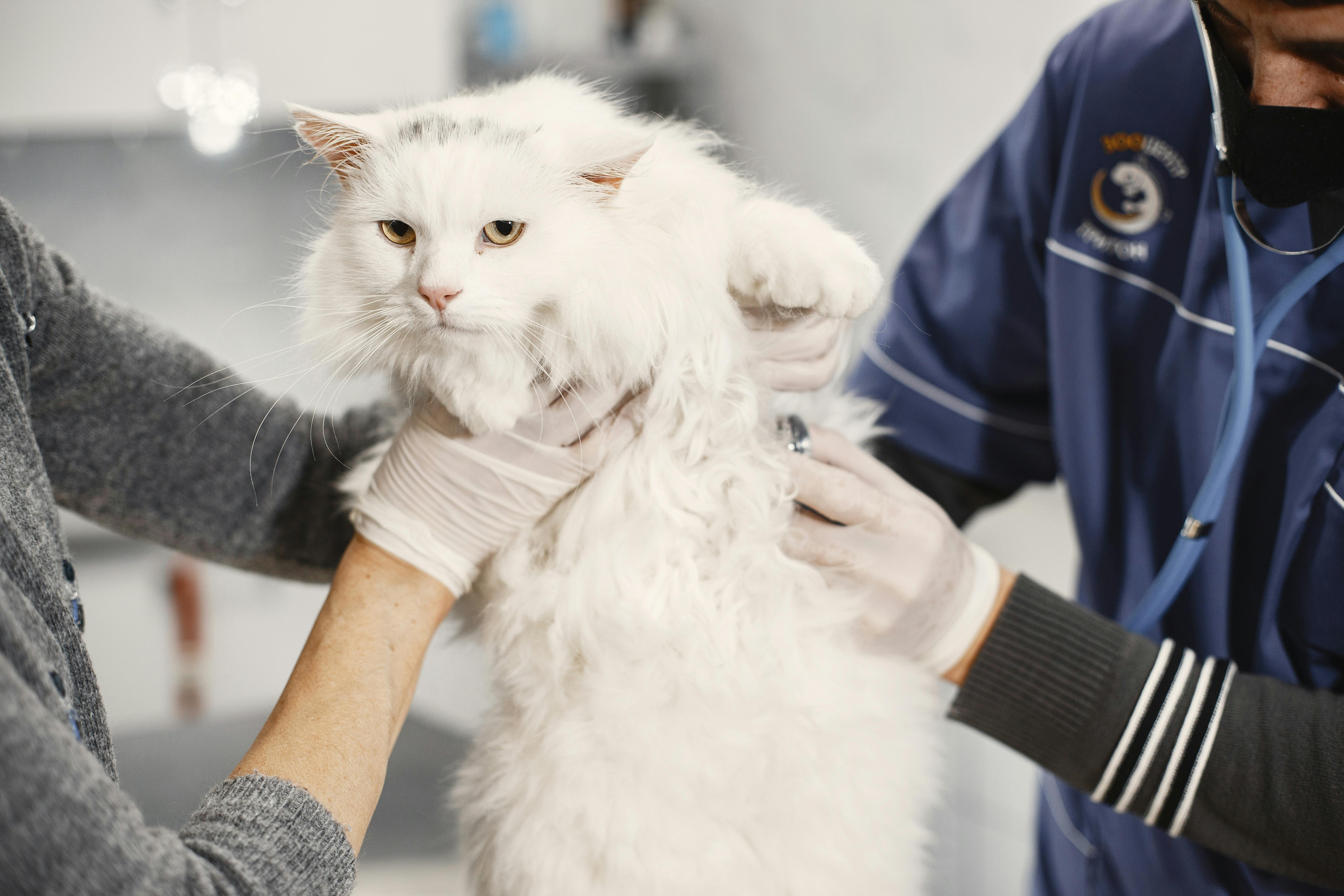
Is Your Cat Hiding Pain? Signs Every Owner Should Know
Cats have a well-earned reputation for being mysterious creatures, especially when it comes to showing discomfort or pain. Many cat owners in Fort Mill and surrounding communities have experienced the frustration of knowing something is “off” with their feline companion, only to discover a health issue after it has progressed. At Greenway Animal Hospital, located at 887 Gold Hill Rd Suite D and E, Fort Mill, SC 29708, we understand how important it is to catch the earliest signs of pain in cats. Our veterinary team is dedicated to helping you recognize subtle changes in your cat’s behavior or health, so you can act quickly and keep your feline friend as comfortable as possible. In this blog, we’ll explore why cats hide pain, what warning signs to look for, how conditions are diagnosed and treated, and what you can do at home to support your cat’s wellbeing. We’ll also explain when it’s time to schedule a visit with our veterinarians for a comprehensive evaluation or sick visit.
Why Do Cats Hide Pain?
Cats are masters of disguise, and this trait is rooted in their evolutionary history. In the wild, showing signs of pain or weakness could make a cat an easy target for predators or rivals. Even in the safety of your home, this instinct remains strong. Your cat might withdraw, hide, or simply become quieter when something is wrong, making it challenging for even the most attentive owner to spot the early signs of discomfort.
Pain in cats can result from a variety of causes, including dental disease, arthritis, injuries, infections, or chronic illnesses. Since cats are so adept at masking pain, it often goes unnoticed until the problem becomes more advanced. This is why regular veterinary care, such as a wellness examination, is so important—it allows our veterinary professionals to identify subtle issues before they escalate.
Recognizing the Hidden Signs of Pain in Cats
Understanding your cat’s normal habits and personality is the first step in spotting subtle changes. Signs of pain in cats are often more behavioral than physical, and they can easily be mistaken for moodiness or age-related changes. Key symptoms include decreased appetite, increased hiding, reluctance to jump or climb, and changes in grooming behavior. A cat who is usually social may become withdrawn, or a previously tidy feline might develop an unkempt coat because grooming has become uncomfortable.
Other warning signs are less obvious but equally important. These include vocalizing more or less than usual, changes in posture such as crouching or a hunched back, and sudden aggression or irritability when touched. Some cats may use the litter box less frequently or outside of it, which can indicate issues such as arthritis or pain associated with urination or defecation. Paying close attention to these changes and noting when they occur can provide valuable information for your veterinarian during a sick visit.
The Role of Dental Pain
Dental disease is a common but often overlooked source of pain in cats. Signs of oral discomfort include drooling, dropping food, eating on one side of the mouth, or pawing at the face. Because cats rarely show obvious mouth pain, routine dental cleaning and dental exams are essential for early detection and treatment.
What Causes Pain in Cats?
Pain in cats can arise from a wide range of medical conditions. Understanding the underlying cause is essential for providing the right treatment and relief. Some of the most common reasons cats experience pain include injuries, such as sprains or fractures from falls or rough play, as well as chronic conditions like arthritis, which becomes more prevalent as cats age. Dental disease, including gingivitis, tooth resorption, and abscesses, is another leading cause of discomfort.
Other sources of pain include urinary tract infections, bladder stones, and gastrointestinal issues. Post-surgical recovery, wounds, or abscesses from cat fights can also leave your cat in pain. Additionally, cats suffering from cancer or other chronic diseases may have persistent or intermittent pain that affects their quality of life. Regardless of the cause, timely veterinary attention is the key to helping your cat feel better and prevent further complications.
How Our Team Diagnoses and Treats Pain in Cats
When you bring your cat to Greenway Animal Hospital for a concern about pain, our veterinarians start with a thorough history and physical examination. We may ask questions about your cat’s recent behavior, appetite, mobility, and any changes you have observed. During the visit, our veterinary team looks for subtle signs of discomfort, such as flinching when touched in certain areas, limping, or changes in muscle tone.
Diagnostic tools like digital radiology, bloodwork, and urinalysis can help identify hidden conditions such as arthritis, infections, or organ disease. For dental pain, our team may recommend dental radiographs and a comprehensive oral exam to look for problems beneath the gumline. In some cases, advanced diagnostics like ultrasound may be needed to get a clearer picture of what’s going on internally.
Once a diagnosis is made, treatment approaches involve managing the underlying condition and alleviating your cat’s discomfort. This may include medications for pain relief, anti-inflammatories, antibiotics for infections, or surgical intervention if necessary. For dental issues, dental cleaning, tooth extractions, or dental surgery may be required to restore your cat’s oral health. Our veterinarians always tailor the treatment plan to your cat’s individual needs and comfort, and we take the time to explain all options so you can make informed decisions about your cat’s care.
Supporting Your Cat’s Comfort at Home
In addition to professional veterinary care, there are steps you can take at home to make your cat more comfortable and prevent pain from developing or worsening. Maintaining a healthy weight is crucial, since extra pounds put additional stress on joints and can exacerbate conditions like arthritis. Providing easy access to food, water, and litter boxes helps cats with mobility issues avoid unnecessary discomfort. Soft bedding, ramps, or steps can make it easier for senior cats or those with joint pain to reach their favorite spots.
Regular grooming helps prevent painful mats or skin issues, especially in cats who are less able to groom themselves due to pain. Monitoring your cat’s eating and litter box habits provides early warning of developing problems. Engaging in gentle play and interactive activities can keep your cat active without causing strain, while also helping you notice any changes in their mobility or enthusiasm.
Scheduling routine wellness examinations allows our veterinary team to catch issues before they cause significant pain. If you ever notice behavioral changes, decreased appetite, or new grooming habits, it is important to reach out for advice or schedule a visit with our veterinarians. We also offer behavior consultations, which can help address changes that may be rooted in pain or discomfort.
When Should You Seek Veterinary Care?
Knowing when to seek professional help is crucial for your cat’s health and comfort. If your cat is suddenly hiding more, refusing food, struggling to move, or showing any of the signs discussed earlier, it’s time to call your veterinarian. Persistent vomiting, sudden changes in litter box use, or any signs of trauma should also prompt an immediate appointment.
For less obvious symptoms, such as subtle changes in social behavior or grooming, scheduling a sick visit or wellness exam can help identify the root cause before it becomes a bigger issue. Cats with chronic conditions like arthritis, dental disease, or kidney problems benefit from regular monitoring and adjustments to their treatment plan as needed.
If you ever feel unsure about your cat’s comfort or behavior, reaching out to our veterinary professionals is always the best course of action. Our team is here to support you and your feline companion every step of the way, providing compassionate, personalized care in Fort Mill and the surrounding communities.
Trust Greenway Animal Hospital to Help You Uncover Hidden Pain in Your Cat
Caring for a cat means staying alert to changes that may indicate discomfort, even when those signs are subtle or easy to miss. By understanding why cats hide pain and learning what to watch for, you can help your cat live a comfortable, healthy life. Greenway Animal Hospital’s team of veterinarians is committed to making every visit thorough and stress-free, whether your cat needs a wellness examination, dental care, or a sick visit.
If you have noticed any changes in your cat’s behavior or suspect they may be in pain, don’t wait to take action. Schedule an appointment with our veterinary team by calling (803) 239-4477 or visiting our hospital at 887 Gold Hill Rd Suite D and E, Fort Mill, SC 29708. When searching for a veterinarian near me who truly understands cats, trust us to provide the expertise and compassion your feline companion deserves.
Disclaimer: This blog is intended for informational purposes only and should not be used as a substitute for professional veterinary advice. If you are concerned about your cat’s health or notice any of the signs described above, please contact your veterinarian for a thorough evaluation.




.svg)


