
Preventing Dental Disease in Fort Mill Pets This Winter
Preventing Dental Disease in Fort Mill Pets This Winter
As winter arrives in Fort Mill, SC, pet owners often focus on keeping their dogs and cats warm and comfortable. However, the colder months bring unique challenges for your pet’s health that go beyond chilly temperatures. Dental disease is one of the most common and overlooked threats to pets during the winter season. At Greenway Animal Hospital, our compassionate veterinary team understands that maintaining your pet’s oral health is just as important as their overall wellbeing, especially when routines change and outdoor activity decreases. In this blog, you’ll discover why winter can be a risky time for dental disease, how to spot the signs early, and what you can do at home and with your veterinarian to keep your pet’s smile healthy all season long. We’ll also share how routine checkups, at-home care, and professional dental services at our modern clinic on 887 Gold Hill Rd Suite D and E, Fort Mill, SC 29708 can help prevent dental disease in dogs and cats. If you’re concerned about your pet’s dental health or it’s been a while since their last oral exam, our veterinarians are here to help you schedule a thorough evaluation and provide expert guidance tailored to your pet’s needs.
Recognizing Dental Disease in Dogs and Cats
Many pet owners are surprised to learn that dental disease is one of the most common health problems affecting both dogs and cats. In fact, most pets will show some signs of dental problems by the age of three. Winter can make it even harder to spot these issues, as pets may be less active and subtle changes in behavior are easily overlooked during the busy holiday season.
Common signs of dental disease in pets include persistent bad breath, red or swollen gums, and a buildup of yellow or brown tartar on the teeth. Some pets may show discomfort when eating, drop food, or seem reluctant to chew on their favorite toys. In more advanced cases, you might notice loose teeth, excessive drooling, or even bleeding from the mouth. Cats are especially skilled at hiding discomfort, so changes in grooming habits or decreased appetite can also signal dental pain.
If your pet’s breath smells unusually foul, or you notice them rubbing their face with a paw, these can be early warnings that dental disease is developing. Identifying these signs promptly is the first step in preventing more serious complications and keeping your pet comfortable throughout the winter months.
Why Winter Poses Extra Risks for Pet Dental Health
While dental disease can develop at any time of year, winter brings a few extra challenges. Shorter days and colder weather often mean pets spend more time indoors, which can lead to changes in their eating habits and activity levels. Dogs may get fewer walks, resulting in less natural tooth cleaning from chewing sticks or toys outside. Similarly, cats may spend more time curled up indoors, which can make subtle behavioral changes harder to notice.
With the holiday season, treats and table scraps may be more readily available, increasing the risk of sugary or sticky foods that can stick to teeth and promote plaque formation. Owners may also postpone routine veterinary visits during busy winter months, allowing dental issues to progress unchecked.
Winter air is often drier, which can affect both pets and people. Dry mouths are less effective at naturally cleaning the teeth, making it easier for bacteria to thrive and for tartar to accumulate. All of these factors can contribute to an increased risk of dental disease in pets during the colder months. By staying vigilant and maintaining regular oral care routines, you can help offset these seasonal risks.
Professional Dental Care: What to Expect at Greenway Animal Hospital
When your pet visits Greenway Animal Hospital for dental care, our veterinary team begins with a thorough oral examination to assess the health of their teeth and gums. We use advanced diagnostic tools, including dental radiography services for pets, to identify hidden issues beneath the gumline that can’t be seen during a visual exam. This is especially important for detecting problems such as tooth root abscesses or bone loss, which can cause pain even if the teeth look healthy on the surface.
If your pet is diagnosed with dental disease, our veterinarians may recommend a professional dental cleaning under anesthesia. During this procedure, we remove plaque and tartar from all tooth surfaces, clean below the gumline, and polish the teeth to discourage future buildup. In cases where teeth are broken, loose, or severely infected, pet tooth extraction services may be necessary to relieve pain and prevent further health complications.
Our comprehensive dental care program includes follow-up recommendations for ongoing at-home care and preventive measures tailored to your pet’s individual needs. We are committed to making dental procedures as safe and comfortable as possible, using state-of-the-art equipment and gentle techniques. Whether your pet needs routine cleaning or advanced pet oral surgery and advanced dental care, our team is here to ensure they receive the highest standard of care.
At-Home Dental Prevention: Steps to Take This Winter
While professional cleanings are essential for maintaining your pet’s oral health, daily home care is equally important—especially during the winter when dental risks are higher. Simple steps can make a big difference in preventing dental disease and supporting overall wellbeing.
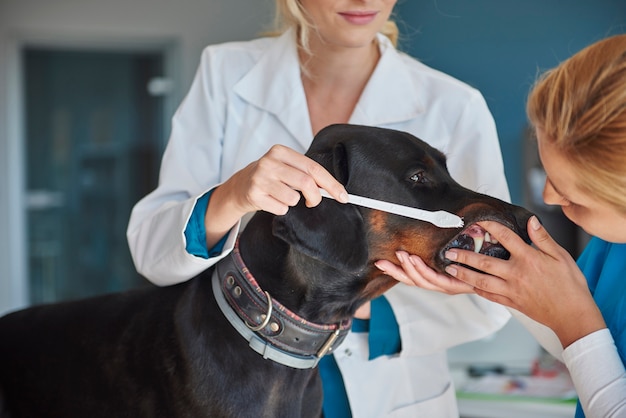
Brushing your pet’s teeth regularly is one of the most effective ways to remove plaque before it hardens into tartar. Use a pet-specific toothbrush and toothpaste, as human products can be harmful to animals. If your pet is new to tooth brushing, start slowly by letting them taste the toothpaste and gradually introducing the brush. Consistency is key, and even brushing a few times a week can make a noticeable difference.
Dental chews and toys designed for oral health can help reduce plaque buildup while providing enrichment during long winter days indoors. Look for products approved by the Veterinary Oral Health Council (VOHC) to ensure their effectiveness and safety. Feeding a balanced diet and avoiding sticky or sugary treats, especially those common during the holidays, further supports dental health.
Regularly inspecting your pet’s mouth at home can help you catch early warning signs of dental disease. Lift your pet’s lips to check for redness, swelling, or visible tartar. If you notice changes in breath odor, eating habits, or gum appearance, schedule a dental exam with our veterinarians promptly. Combining these at-home practices with professional care creates a strong defense against dental disease, even in the face of seasonal challenges.
When to Schedule a Veterinary Dental Exam
Knowing when to seek professional help is crucial for preventing dental disease from progressing to more serious health problems. You should schedule a dental examination for your pet if you notice persistent bad breath, visible tartar, red or bleeding gums, or any signs of mouth discomfort such as pawing at the face, reluctance to eat, or dropping food. Pets with underlying health conditions, such as diabetes or kidney disease, are at higher risk for dental complications and should have regular oral health checkups.
Even if your pet appears healthy, annual dental evaluations are an important part of their preventive care plan. Our team recommends incorporating a dental assessment into your pet’s routine wellness visits, especially during the winter when risk factors may be elevated.
If you are searching for a “vet near me” who offers comprehensive dental care, Greenway Animal Hospital in Fort Mill and surrounding communities is here to help. Our veterinarians take the time to explain your pet’s dental health, answer your questions, and develop a customized plan to keep their mouth healthy year-round.
The Importance of Preventing Dental Disease Year-Round
Dental disease does not pause for the winter, and neglecting oral health can lead to pain, infection, and more serious complications for your pet. By staying attentive to warning signs, maintaining consistent at-home care, and scheduling regular professional checkups, you are giving your pet the gift of a healthy, happy life—no matter the season.
If you have questions about your pet’s dental health or want to schedule a dental examination, our veterinary team is ready to help. Contact Greenway Animal Hospital at (803) 239-4477 or visit our convenient location at 887 Gold Hill Rd Suite D and E, Fort Mill, SC 29708 to set up an appointment. You can also learn more about our dental cleaning services for pets and advanced dental care options on our website. Remember, your proactive approach to dental care this winter will help your pet thrive now and for years to come.
This blog is intended for informational purposes only and is not a substitute for professional veterinary advice. Always consult your veterinarian regarding your pet’s specific needs or before making changes to their dental care routine.



.svg)


