
Rainy Day Activities for Fort Mill Pets: Indoor Fun for September
Rainy Day Activities for Fort Mill Pets: Indoor Fun for September
As September brings refreshing rain to Fort Mill, many pet owners wonder how to keep their furry friends both happy and healthy indoors. While the cooler, wet weather can be a pleasant break from summer heat, it does make outdoor walks and backyard play a challenge. At Greenway Animal Hospital, located at 887 Gold Hill Rd Suite D and E, Fort Mill SC 29708, our team of veterinarians loves helping families find creative, safe ways to keep pets active on rainy days. This guide explores engaging indoor pet activities you can try at home, expert behavior tips for staving off cabin fever, and how to maintain your pet’s overall wellness even when outdoor adventures are on pause.
You’ll discover practical ideas for both dogs and cats, learn why indoor pet activities matter for your companion’s physical and mental health, and find out when it’s time to consider professional veterinary support. We’ll also explain how services like behavior consultations and wellness examinations in Fort Mill can help address behavioral changes or health concerns that may arise during these cooped-up days. No matter the weather, our veterinary team is here to support your pet’s wellbeing and help you enjoy every season together.
Recognizing Signs of Boredom and Reduced Activity in Your Pet
It can be surprisingly easy to overlook the subtle ways rainy weather affects your dog or cat’s mood and routine. When outdoor time is limited, pets often miss out on the physical exercise and mental stimulation they need. Common signs that your pet may be feeling restless or bored during rainy spells include increased vocalization such as barking or meowing, restlessness, pacing, or even destructive behaviors like chewing furniture or scratching at doors. Cats may start ambushing feet or climbing curtains, while dogs might dig in the carpet or beg for attention more persistently. Other indications can involve changes in appetite, altered sleep patterns, or withdrawal from family activities.
Dogs and cats both thrive on regular activity and interaction. When the weather keeps them inside, you might notice your dog staring out the window, sighing, or carrying toys around without much enthusiasm. Cats could become more vocal or engage in repetitive behaviors, such as over-grooming. These changes are not just quirks; they are your pet’s way of showing they need more stimulation. If you see these patterns, it’s time to consider how indoor pet activities in Fort Mill can benefit your furry companion.
Why Indoor Pet Activities Matter: The Science Behind Pet Exercise in Fort Mill
Physical and mental exercise are essential for pets, whether rain or shine. When outdoor walks or backyard games are not possible, finding creative ways to keep your pet moving prevents a host of issues. Inactive pets are at risk of weight gain, muscle loss, and joint stiffness. Mental boredom often leads to anxiety, attention-seeking, and even behavioral problems. For puppies and kittens, indoor play supports proper social development and learning, while for adult or senior pets, gentle exercise helps maintain mobility and cognitive function.
The need for indoor pet activities in Fort Mill becomes especially important during the rainy September season. Dogs that are accustomed to daily walks may need replacement activities to burn energy and satisfy their curiosity. Cats, who are naturally active hunters, benefit from activities that mimic stalking and chasing. Providing outlets for exercise and enrichment indoors helps your pet stay healthy in body and mind, no matter the weather outside.
Fun and Effective Indoor Pet Activities for Rainy Days
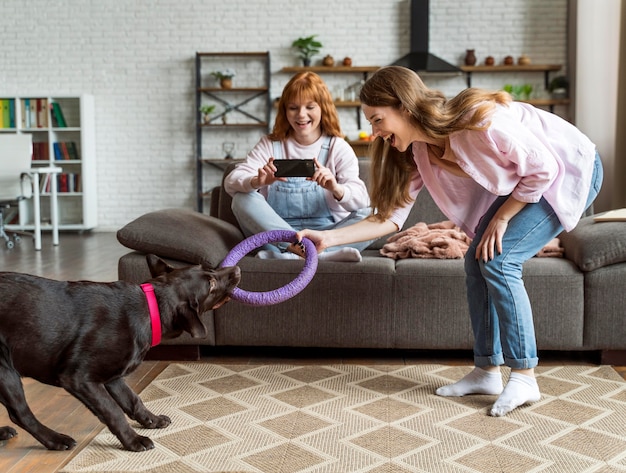
There are countless ways to turn your home into a playground for your pets on rainy days. For dogs, indoor fetch is a classic choice, using soft toys or balls in a hallway or open living room. Tug-of-war with a sturdy rope, hide-and-seek games with treats, and basic obedience training sessions all offer both exercise and mental stimulation. Setting up an obstacle course with furniture, cushions, or tunnels can challenge your dog’s agility and keep their mind engaged. Scent games, where you hide treats or favorite toys around the house, encourage your dog to use their nose and think critically.
Cats love interactive toys that mimic prey, such as feather wands, laser pointers, and battery-operated mice. Rotating their toys or introducing puzzle feeders can keep playtime interesting and help prevent boredom. Creating vertical spaces with cat trees or shelves, or even simple cardboard boxes, gives your cat opportunities for climbing and exploration. Training sessions using clicker techniques and treats can also be a fun way to teach new tricks or reinforce positive behaviors.
If you have multiple pets, supervised group play indoors can help them burn off energy together. For pets who need to watch their waistline, consider using part of their daily kibble for training or games rather than extra treats. Remember, every pet is unique; some will prefer active games, while others might thrive with gentle play or quiet enrichment. If you’re not sure which activities are best, ask our veterinary team for personalized suggestions at your next wellness examination in Fort Mill.
Incorporating Routine and Structure
Maintaining a daily schedule is just as important indoors as it is outdoors. Feeding, playtime, and rest periods should happen at predictable intervals to provide your pet with a sense of security and routine. Structured indoor pet activities in Fort Mill can help reduce anxiety and make rainy days feel less disruptive for pets who are sensitive to changes in their environment.
Addressing Behavioral Changes: When Indoor Life Gets Challenging
Extended periods indoors can sometimes lead to behavioral issues, especially in high-energy or anxious pets. Signs that your pet may be struggling with the change include excessive barking or meowing, destructive behavior, inappropriate elimination, or aggression. These behaviors are often a pet’s way of coping with pent-up energy or stress related to a lack of stimulation.
If you notice new or worsening behaviors during the rainy season, it may be time to consult a professional. Our behavior consultations in Fort Mill are designed to help identify underlying causes and develop practical strategies for managing indoor-related challenges. Our veterinary professionals can assess your pet’s environment, discuss their daily routine, and recommend tailored activities or training techniques. Sometimes, a simple change—such as rotating toys more frequently or introducing food puzzles—can make a significant difference.
Behavioral support may also include advice on positive reinforcement techniques, environmental enrichment, and, when needed, recommendations for calming products or additional training resources. Early intervention is key; addressing issues promptly can prevent them from becoming long-term habits.
Wellness and Health Considerations During Rainy Spells
Staying indoors more often can have subtle effects on your pet’s physical health. Reduced activity levels may lead to weight gain, changes in coat condition, or dental health challenges if boredom leads to chewing on inappropriate items. During rainy September days in Fort Mill, it’s helpful to monitor your pet’s body condition and overall wellness. Regular wellness examinations provide an opportunity to discuss any concerns about weight management, nutrition, and exercise routines with our veterinary team.
Dental health is another area to watch. Dogs and cats who are less active may not chew as much, which can increase the risk of tartar buildup and oral discomfort. Incorporating safe chew toys or dental treats into indoor play can help, but professional dental cleaning at Greenway Animal Hospital may be recommended for ongoing oral health.
Be mindful of changes in your pet’s appetite, thirst, or bathroom habits during periods of indoor confinement. If you notice unusual symptoms, such as vomiting, diarrhea, limping, or signs of pain, schedule a visit with our veterinarians to ensure prompt care.
Keeping Indoor Pets Engaged and Healthy
Preventive care involves more than just physical activity. Providing your pet with a variety of enrichment opportunities, such as treat-dispensing toys, safe chew items, and opportunities for social interaction, helps maintain both mental and physical health. For pets that enjoy learning, training sessions with new cues or tricks can be a great way to bond and provide stimulation. Rotating toys and rearranging play areas can keep things fresh and exciting.
When to Seek Veterinary Support: Recognizing When Indoor Solutions Aren’t Enough
While most pets adjust well to indoor routines with the right enrichment and exercise, there are times when professional help is essential. Warning signs that your pet may need veterinary attention include persistent lethargy, sudden behavior changes, refusal to eat or drink, unexplained weight gain or loss, or signs of anxiety that do not improve with enrichment. Dogs or cats who develop destructive habits or aggression may also benefit from a behavior consultation to rule out medical or psychological concerns.
If you notice symptoms such as coughing, difficulty breathing, limping, or signs of pain, especially if they persist for more than a day, contact our veterinary professionals promptly. Some health conditions, such as arthritis or dental disease, can worsen when pets are less active, so early intervention is important.
Our team at Greenway Animal Hospital is here to provide comprehensive care, from routine wellness examinations to specialized behavioral support. We encourage you to reach out with any concerns about your pet’s wellbeing, especially if indoor solutions seem to fall short.
Keeping Your Pet Happy Indoors: Actionable Tips for Pet Owners
Making the most of rainy days with your pet is all about creativity, structure, and attention to their unique needs. Focus on providing multiple daily play sessions, mixing up games and toys to prevent boredom, and keeping routines as consistent as possible. For dogs, consider practicing obedience skills or teaching new tricks in the living room; for cats, create vertical spaces and encourage hunting-style play with interactive toys.
Monitor your pet’s behavior and health closely, and do not hesitate to seek advice if you notice changes. Professional services such as wellness examinations or behavior consultations in Fort Mill can provide expert guidance and peace of mind. Remember, preventive care and early intervention are key to ensuring your pet stays happy and healthy, rain or shine.
Schedule Your Next Visit: Wellness and Support from Your Local Veterinary Team
Rainy September days in Fort Mill do not have to mean dull days for your pet. With the right mix of indoor pet activities and support from our caring veterinary team, you can keep your companion thriving no matter the weather. Greenway Animal Hospital is dedicated to providing quality veterinary services in Fort Mill and surrounding communities, from routine wellness examinations to advanced behavioral support and dental care.
If you have questions about indoor pet activities, notice changes in your pet’s behavior, or want to ensure your pet is on the right track for health and happiness this season, our veterinarians are here to help. Schedule an appointment at our convenient Fort Mill location or call (803) 239-4477 to speak with our knowledgeable team. If you’re searching for the best vet near me or need advice on pet exercise in Fort Mill, Greenway Animal Hospital is your trusted resource for compassionate, comprehensive care.
For additional tips and support, explore our behavior consultations or schedule your next wellness examination today. Let’s work together to keep your pets healthy, active, and content—rain or shine.
This blog is for informational purposes only and should not replace professional veterinary care. Always consult your veterinarian for specific advice regarding your pet’s health and behavior. For more on indoor enrichment and pet care, visit reputable resources such as American Veterinary Medical Association or ASPCA Indoor Pet Exercise.


.svg)


