
Dog Cavities Treatment: How We Care for Your Pet’s Smile
Dog Cavities Treatment: How We Care for Your Pet’s Smile
If you have noticed your dog shying away from chew toys, dropping food, or suddenly developing bad breath, you are not alone in worrying about their dental health. Many pet owners in Fort Mill and surrounding communities are surprised to learn that, just like people, dogs can develop dental problems such as cavities. At Greenway Animal Hospital, we understand how important your dog’s comfort and wellbeing are to your family. Our modern, full-service veterinary hospital at 887 Gold Hill Rd Suite D and E, Fort Mill, SC 29708 is dedicated to providing comprehensive care, including advanced dog cavities treatment. In this blog, we will explore what cavities in dogs look like, why they happen, how our veterinary team addresses them, and how you can help protect your dog’s smile for years to come. If you are worried about your dog’s teeth, you are in the right place to learn more about their oral health and discover how our compassionate team at Greenway Animal Hospital can help.
Recognizing the Signs of Cavities in Dogs
Most pet owners do not expect dogs to develop cavities, but this dental issue—technically known as caries—can impact your pet’s comfort, eating habits, and even their overall health. Cavities in dogs are less common than in humans, yet they can still occur, especially in certain breeds or dogs with specific dietary habits.
Key symptoms of a possible cavity include increased drooling, reluctance to eat dry food or crunchy treats, pawing at the mouth, or sudden sensitivity when their face is touched. Additionally, you might notice dark spots on the teeth, visible holes, swelling along the gumline, or a persistent foul odor from your dog’s mouth. Some dogs may avoid playing with favorite toys, become irritable, or show signs of pain when chewing. Because dogs are naturally good at hiding discomfort, these changes can be subtle and easy to overlook in the early stages.
If you observe any of these signs, it is important to schedule a dental examination for your dog as soon as possible. Early identification and professional dog cavities treatment can help prevent further discomfort and more serious dental complications.
What Causes Cavities in Dogs?
Understanding why cavities form in dogs helps pet owners take steps to prevent them. Unlike humans, dogs’ teeth are shaped differently, and their saliva has properties that generally make cavities less common. However, certain factors can still set the stage for decay.
Cavities develop when bacteria in the mouth break down food debris, producing acids that erode the hard enamel surface of the tooth. Over time, this process creates small holes that can progress into deeper cavities, affecting the sensitive inner layers of the tooth. Dogs that eat a lot of carbohydrate-rich foods, receive frequent treats, or have inconsistent dental care routines are more likely to develop cavities. Small or toy breeds, whose teeth may be more crowded or have unusual shapes, can also be at higher risk.
Other contributors include genetic predisposition, poor tooth alignment, and the presence of tartar or plaque that is not removed through regular brushing or professional cleaning. If your dog has a history of dental issues, skipping routine checkups can allow minor problems to develop into more painful, complex conditions requiring advanced dog cavities treatment.
Professional Dog Cavities Treatment at Greenway Animal Hospital
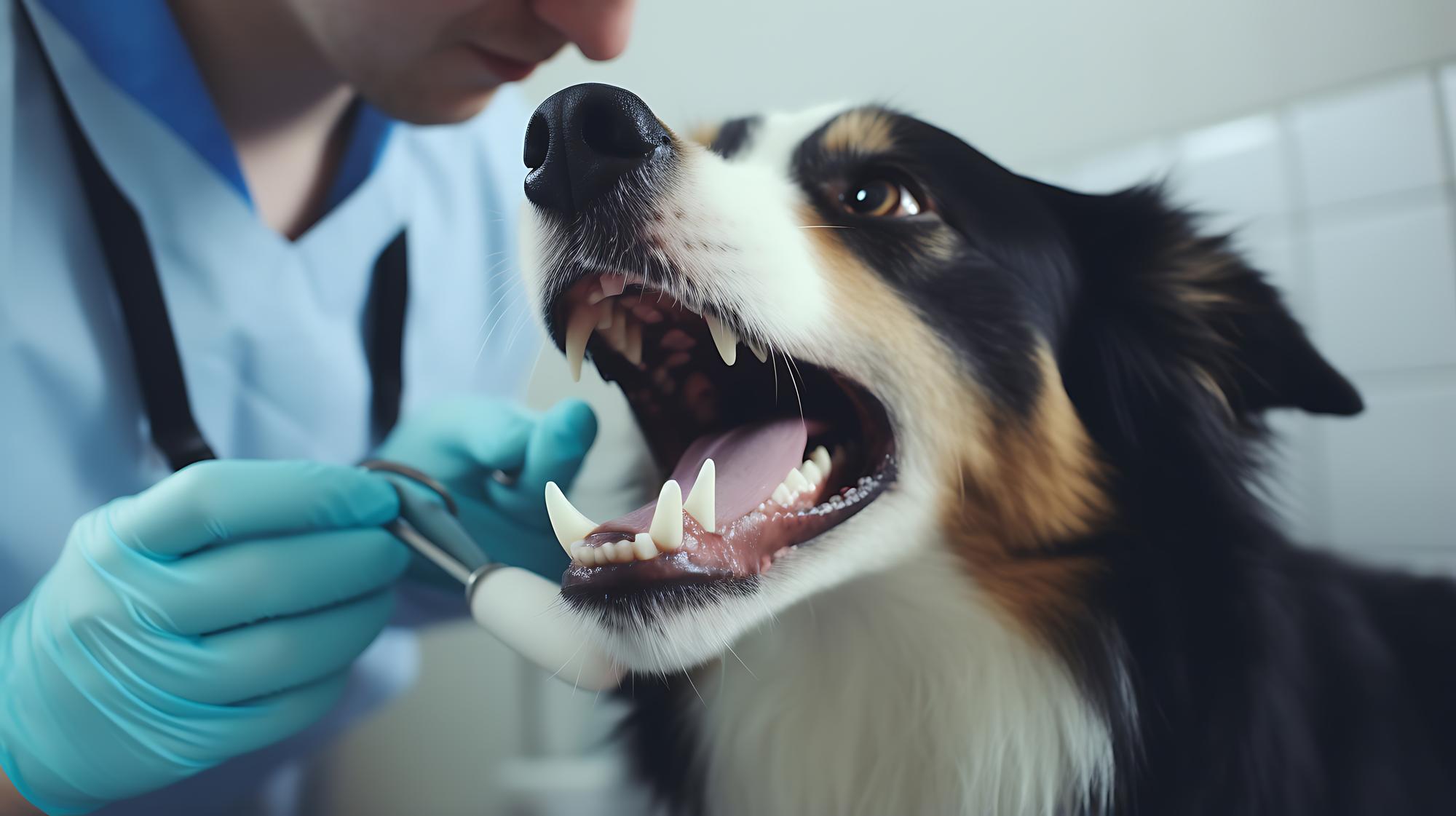
When you bring your dog to Greenway Animal Hospital for dental concerns, our veterinarians begin with a thorough oral examination. We may recommend dental radiography to assess the extent of the cavity and determine if other teeth are affected. Dental x-rays allow us to visualize the roots and bone structure, which is essential for accurate diagnosis and planning the best course of treatment.
If a cavity is identified, the treatment approach depends on its severity and location. For minor cavities that have not penetrated deeply, our veterinary team may be able to remove the affected area and restore the tooth with a special dental composite, preserving your dog’s natural tooth structure. However, if the cavity has reached the inner pulp or caused significant damage, extraction may be the most compassionate choice to relieve pain and prevent infection. Our veterinarians are skilled in pet tooth extractions and will explain the process, expected recovery, and how to keep your dog comfortable at home.
In some cases, more advanced conditions may require dental surgery, particularly if surrounding tissues are affected or if there is evidence of underlying infection. Throughout the treatment process, your dog’s comfort and safety are our top priorities. We use modern anesthesia, advanced monitoring, and gentle handling techniques to ensure a positive experience for both you and your pet.
Following treatment, our team will provide you with detailed instructions for home care, pain management, and follow-up appointments. Regular checkups help us ensure that healing is progressing smoothly and that your dog’s smile remains healthy and pain-free.
Preventing Cavities and Promoting Dental Health at Home
While professional dog cavities treatment is sometimes necessary, prevention remains the best strategy for your dog’s long-term oral health. At Greenway Animal Hospital, we believe that a proactive approach—combining veterinary care with effective home routines—offers the greatest protection against dental disease.
Daily or at least frequent tooth brushing with a dog-safe toothpaste helps remove plaque before it hardens into tartar. Providing dental chews or toys designed to reduce buildup can also support oral health, but they are not substitutes for brushing or veterinary dental cleanings. Offering a balanced diet that limits sticky, carbohydrate-rich treats can further reduce the risk of cavities developing.
Scheduling regular professional dental cleaning services is essential, as some tartar and plaque accumulate below the gumline where brushing cannot reach. During these visits, our veterinarians can detect early signs of dental issues, recommend appropriate products, and answer any questions about your dog’s unique oral health needs.
Finally, keeping an eye on your dog’s behavior and oral appearance at home—such as monitoring for changes in eating habits, breath odor, or gum color—can alert you to potential problems before they become serious.
When to Seek Veterinary Care for Your Dog’s Dental Health
Pet owners often wonder when it is truly necessary to call the veterinarian about their dog’s teeth. If your dog is showing signs such as persistent bad breath, visible holes or dark spots on the teeth, bleeding gums, difficulty eating, or sudden changes in mood or activity, it is time to reach out for professional help. These symptoms may indicate not just cavities but potentially more complex dental disease that can affect your dog’s overall health.
Delaying treatment can lead to pain, infection, and even impact your dog’s heart, liver, or kidneys if oral bacteria enter the bloodstream. If you are unsure whether your dog’s symptoms are serious, our compassionate veterinary professionals at Greenway Animal Hospital are always available to help you decide on the next steps. We encourage you to schedule an appointment, as early detection and prompt dog cavities treatment can make a significant difference in your dog’s comfort, recovery time, and quality of life.
Trust Greenway Animal Hospital for Dog Cavities Treatment in Fort Mill
Your dog’s healthy smile is a reflection of their overall wellbeing, and at Greenway Animal Hospital, we are proud to be your trusted partner in preventive and therapeutic dental care. Our team of veterinarians combines advanced technology, gentle hands, and personalized attention to ensure your dog receives the highest standard of care—whether for routine cleanings or advanced dog cavities treatment.
If you are searching for a veterinarian near me who truly understands the importance of your dog’s dental health, look no further than our modern facility at 887 Gold Hill Rd Suite D and E, Fort Mill, SC 29708. We welcome pets from Fort Mill and surrounding communities, and our team is here to answer your questions, provide expert guidance, and offer comprehensive dental services tailored to your dog’s needs.
To protect your dog’s smile and overall health, schedule an appointment for a dental evaluation or cleaning today. You can reach our veterinary professionals by calling (803) 239-4477 or visiting our website. For more information about advanced dental care, explore our pages on pet tooth extractions, dental radiography, and professional dental cleaning services.
Your dog’s comfort and happiness matter to us. Let us help you give them a lifetime of healthy smiles—contact Greenway Animal Hospital today for expert dog cavities treatment and compassionate, modern veterinary care.



.svg)


