
Summer Pet Care Tips for Fort Mill Dog and Cat Owners
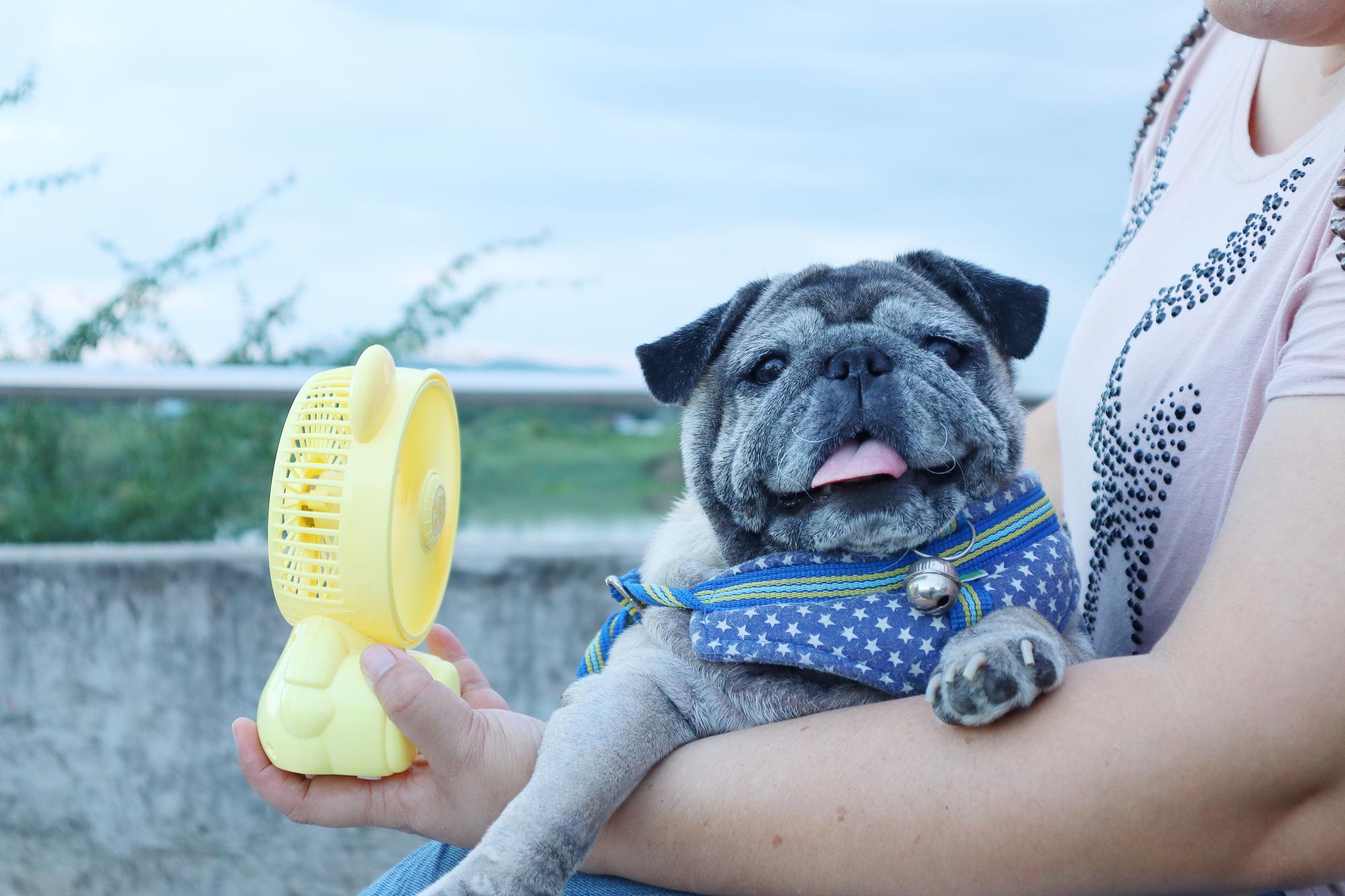
Summer Pet Care Tips for Fort Mill Dog and Cat Owners
As the temperatures rise in Fort Mill and the days grow longer, your dog or cat will likely be spending more time outdoors, basking in the sunshine or joining you on family adventures. While summer brings plenty of opportunities for fun and bonding, it also introduces unique health challenges for pets. At Greenway Animal Hospital, located at 887 Gold Hill Rd Suite D and E, Fort Mill, SC 29708, we understand your desire to keep your furry companions safe, happy, and healthy throughout the warmer months. In this comprehensive guide, we’ll cover everything from recognizing early signs of heat-related illness to practical steps for preventing summer hazards, along with when to seek veterinary help. Whether you are planning trips to the park, backyard barbecues, or quiet evenings on the porch, these expert tips will help you and your pet make the most of summer in Fort Mill and surrounding communities.
Recognizing Summer Health Risks in Dogs and Cats
Understanding the signs of summer-related health issues is the first step in protecting your pet. Dogs and cats can be especially sensitive to high temperatures, humidity, and the increased presence of insects and allergens. Key symptoms of heat stress or heatstroke in pets include excessive panting, bright red or pale gums, drooling, rapid heartbeat, weakness, vomiting, diarrhea, confusion, or even collapse. Cats may display more subtle signs, such as hiding, restlessness, or open-mouth breathing, which is always a red flag.
Other common summer risks include dehydration, which often presents as dry gums, sunken eyes, lethargy, or loss of skin elasticity. Allergies may manifest as scratching, licking, sneezing, or watery eyes, while increased outdoor activity can lead to paw pad burns, insect bites, or tick-borne diseases. If you notice any of these symptoms in your pet, it’s important to take them seriously and monitor your dog or cat closely.
Why Summer Can Be Challenging for Pets in Fort Mill
Fort Mill’s summers are known for their heat and humidity, both of which can put extra strain on your pet’s body. Dogs and cats regulate their body temperature differently from humans; they rely on panting and limited sweat glands to stay cool, which is much less efficient than sweating. Breeds with thick coats, short noses (such as Bulldogs, Pugs, and Persians), senior pets, and those with chronic health conditions are particularly at risk for overheating.
In addition to the climate, outdoor hazards such as ticks, fleas, and mosquitoes become more active during summer. Standing water can attract mosquitoes carrying heartworm, while tall grasses and wooded areas can harbor ticks and fleas. Increased time outdoors also means a higher risk of ingesting toxic plants, exposure to lawn chemicals, or suffering injuries from hot pavement and sharp objects.
Professional Summer Care and What to Expect at the Vet
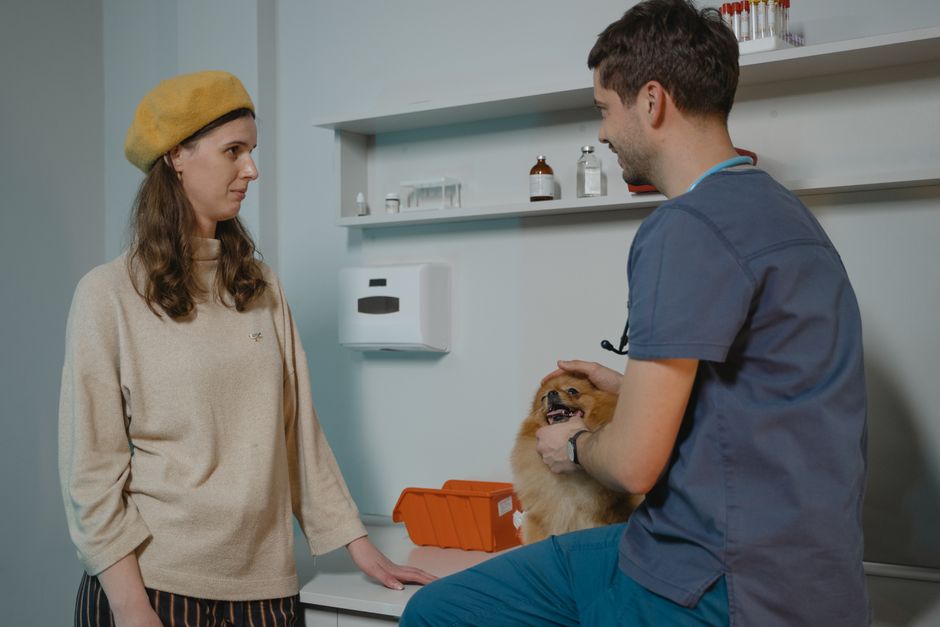
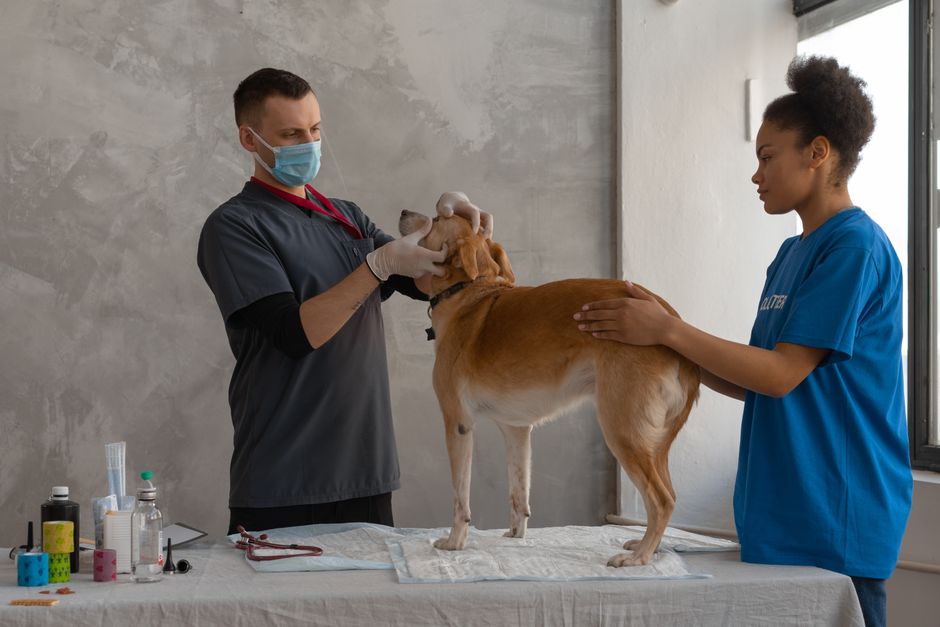
Routine veterinary visits play a crucial role in keeping your pet safe during the summer. At Greenway Animal Hospital, our veterinary team offers preventive care tailored to the needs of your dog or cat during the warmer months. A wellness examination allows us to check for early signs of dehydration, skin issues, or parasites, and to discuss any changes in behavior or activity you may have noticed.
We also recommend staying up to date with vaccination services to protect against diseases that can be more prevalent in the summer. During your visit, our veterinarians may perform a thorough check for ticks and fleas, recommend appropriate parasite prevention, and discuss options for heartworm protection. If your pet is experiencing symptoms such as excessive scratching, sneezing, or respiratory issues, diagnostic testing is available to identify allergies or other underlying causes.
For pets that spend a lot of time outdoors or have existing medical conditions, we can create a personalized summer care plan, including advice on managing chronic diseases in hot weather, safe exercise routines, and dietary adjustments to support hydration and overall wellness.
Home Care and Prevention: Keeping Your Pet Safe All Summer
There are many steps you can take at home to ensure your dog or cat stays healthy during the summer. Always provide access to fresh, clean water and encourage your pet to drink regularly. Place water bowls in multiple locations, especially if your pet goes outside. Shade is crucial for pets that spend time outdoors; make sure there is a cool, sheltered spot available at all times.
Walk your dog early in the morning or later in the evening to avoid the hottest part of the day, and always check pavement temperature with your hand before heading out—if it feels hot to you, it can easily burn your dog’s paw pads. For cats, ensure indoor spaces remain cool, and consider using fans or air conditioning to regulate temperature.
Regular grooming can help remove excess fur, but avoid shaving double-coated breeds, as their coats also protect them from sunburn. Use pet-safe sunscreen on areas with thin fur, such as noses and ear tips, especially for light-colored pets. Preventative measures should also include keeping up with parasite control, checking for ticks after outdoor activities, and keeping lawns and gardens free of toxic plants and chemicals.
If your pet is anxious or fearful of summer storms or fireworks, behavior modification and calming strategies may help. Our veterinary team can provide guidance on behavior consultations to ensure your pet’s comfort and emotional wellbeing during stressful summer events.
When to Seek Veterinary Care for Summer Emergencies
Knowing when to contact your veterinarian can make all the difference for your pet’s health. Seek immediate veterinary attention if your dog or cat displays signs of heatstroke, such as collapse, unresponsiveness, seizures, or persistent vomiting and diarrhea. Rapid breathing that does not resolve with rest, gums that appear blue or very pale, or signs of severe dehydration also warrant urgent care.
If your pet is stung by a bee and begins to swell, has difficulty breathing, or develops hives, this could indicate a serious allergic reaction. Similarly, if your dog or cat has been in a fight with a wild animal, bitten by a snake, or ingested something toxic, do not wait to seek help.
For less urgent but still concerning issues, such as mild limping, minor wounds, signs of skin irritation, or a sudden decrease in appetite, schedule an appointment with our team. Greenway Animal Hospital offers both in-clinic care and house calls for your convenience, allowing you to choose the setting that works best for your pet and family.
Remember that telemedicine services can be a valuable resource for quick questions or follow-ups, especially if you are traveling or unable to bring your pet into the clinic right away. If you are ever uncertain about your pet’s symptoms or how to respond, our veterinarians are here to guide you.
Helping Your Pet Enjoy a Safe, Happy Summer
Summertime in Fort Mill is a wonderful season for you and your pets to enjoy outdoor activities and quality time together. By staying alert to the signs of heat and seasonal health risks, providing preventive care, and knowing when to seek veterinary help, you can ensure your dog or cat remains healthy and comfortable all summer long.
If you have questions about your pet’s summer safety, want to schedule a wellness examination, or need advice on parasite prevention, our compassionate veterinary team at Greenway Animal Hospital is ready to help. Schedule an appointment by calling (803) 239-4477, or visit us at 887 Gold Hill Rd Suite D and E, Fort Mill, SC 29708. For those searching for a veterinarian near me in Fort Mill and surrounding communities, our family-oriented team is committed to providing the personalized care your pet deserves. Let us help you make this summer safe and joyful for every member of your family—paws included.
This blog is for informational purposes only and does not replace professional veterinary advice. If your pet is experiencing an emergency or you are concerned about their health, please contact your veterinarian immediately.


.svg)


